

Dog Carrier for Airplane: How to Choose the Right Fit
Choosing the right dog carrier for airplane travel starts with one simple rule, your carrier has to fit the airline’s under-seat space and your dog has to fit comfortably inside it. If either part is off, you can run into stress at check-in, at security, or right before boarding.
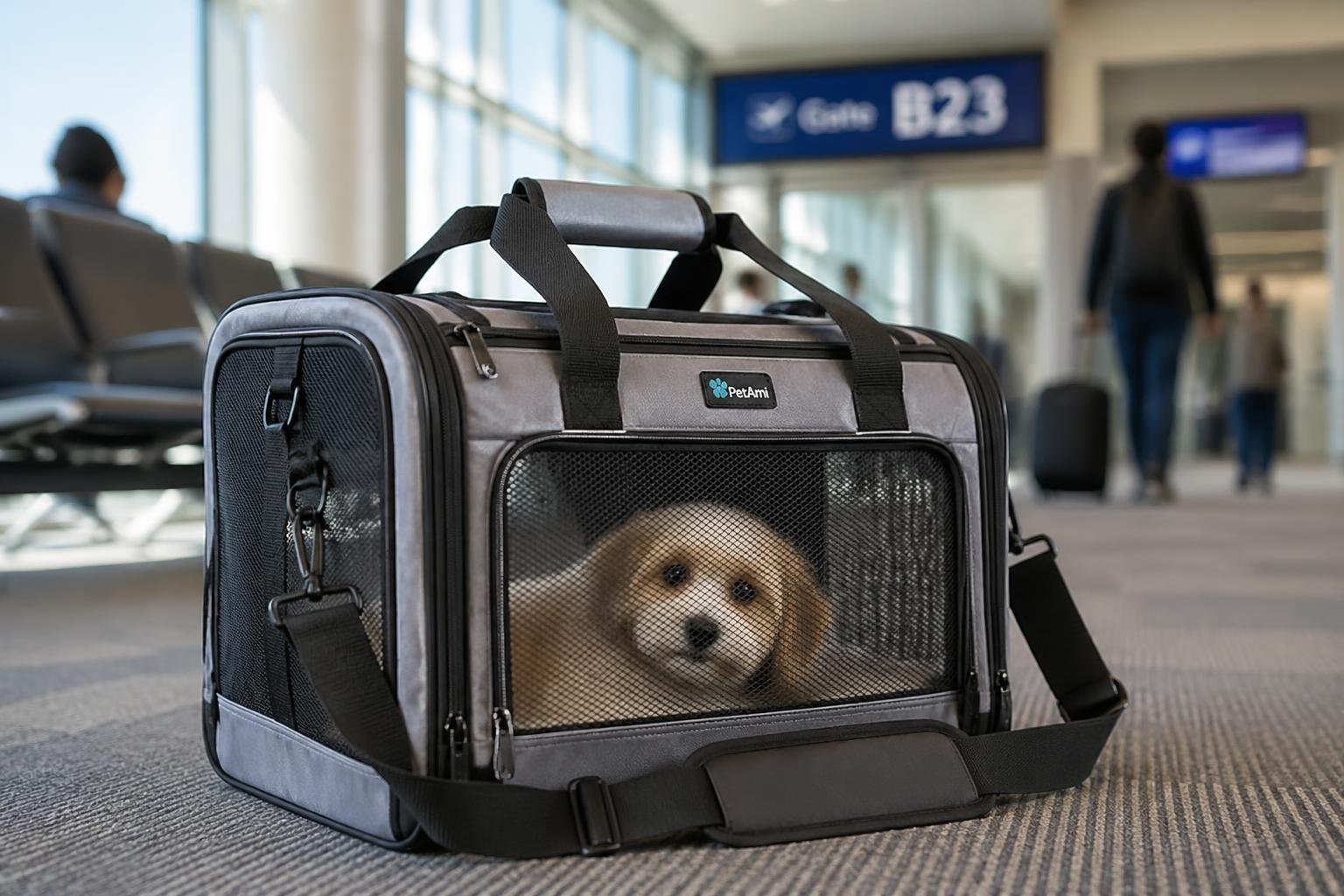
The best airline travel pet carrier is usually the one that balances size, structure, ventilation, and ease of handling. If you measure your dog first, then compare that to the exact airline limits, you stop guessing and make a much safer choice.
That matters whether you are shopping for a pet carrier for flying, comparing dog carriers for flights, or trying to decide if an airline approved carry on pet carrier will work for a short domestic trip or a longer travel day. If you want a second set of eyes on sizing before you buy, Rover Ready’s size comparison guidance is built for exactly that kind of decision.
Key Takeaways
- Measure the airline space before you shop.
- Soft-sided carriers usually fit cabin rules better.
- Weight matters less than length, height, and turn-around room.
What Matters Most Before You Buy
A good airline-approved pet carrier needs to do two jobs at once, fit under the seat and stay comfortable for your dog. The best choices are usually soft-sided carrier styles that hold their shape without becoming rigid.
You also want enough room for your dog to lie down, turn around, and breathe easily, which is why many travelers compare a soft-sided pet carrier with an expandable pet carrier before buying. The exact airline rules still matter most, and even a well-reviewed airline approved pet carrier can be rejected if it is too tall or too wide.
Under-Seat Fit Comes First
The carrier has to match the under-seat space, not just the product listing. Airlines can vary, and seat rows can vary even on the same plane, so a compact shape is safer than a bulky one.
How Much Space Your Dog Actually Needs
Your dog should be able to stand in a natural crouch, turn around, and lie down without twisting. Dr. Eliza O’Callaghan told The Spruce Pets that the carrier should fit under the seat while still giving enough space for those basic movements, which is a practical rule to use when comparing options. That same logic applies whether you are buying a single airline-approved pet carrier or comparing several airline-approved pet carriers.
Why Soft-Sided Designs Usually Work Best
A soft-sided carrier usually gives you more flexibility at the edges, which helps when you need to slide it under a tight seat. It also tends to feel less boxy for your dog and is easier to carry through terminals.
When Expandable Features Help
An expandable pet carrier can be useful during long layovers, gate waits, or hotel stops. A model like the petsfit expandable pet carrier can give your dog more room when you are not on the plane, while still collapsing for cabin use.
Sizing by Dog Weight and Travel Scenario
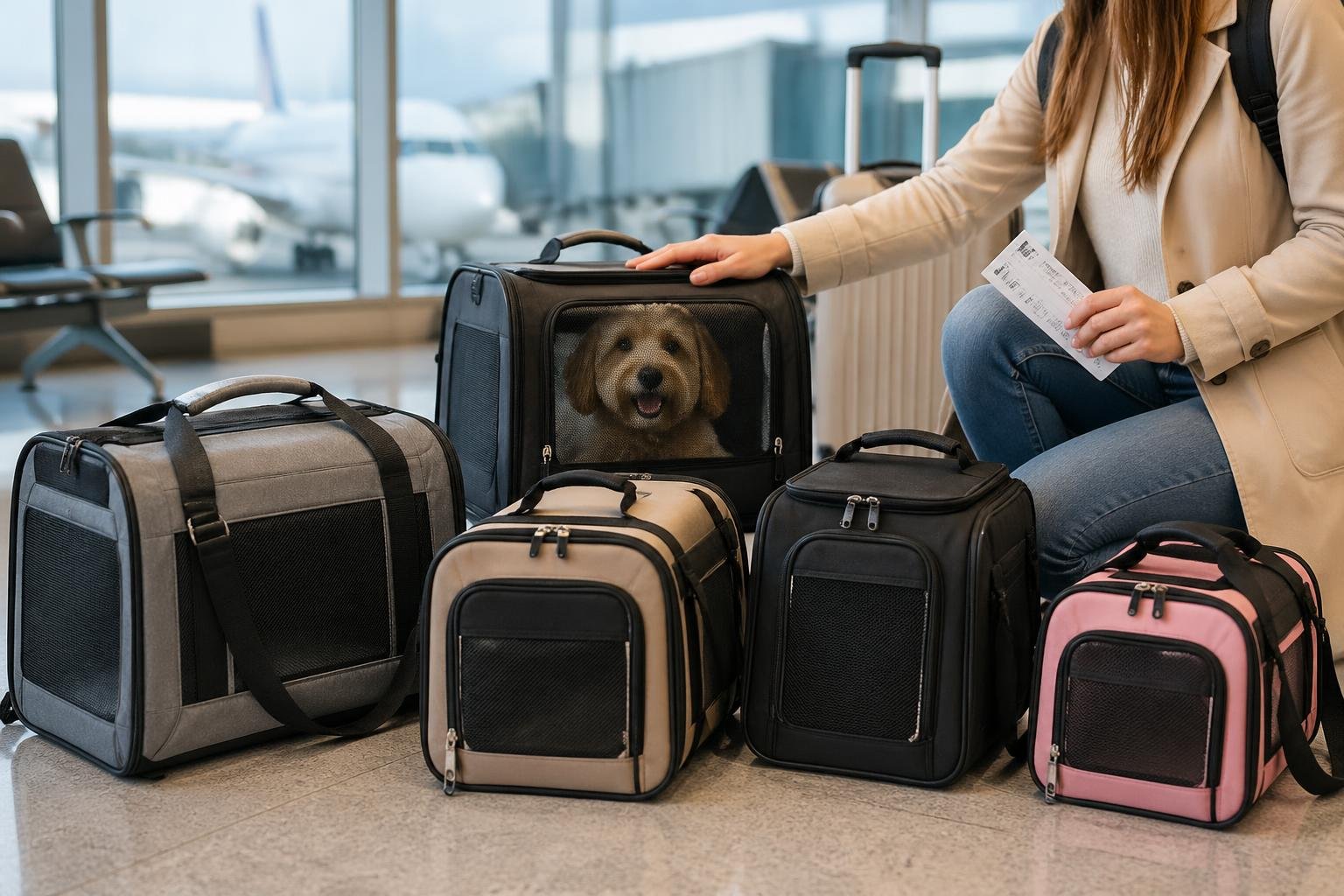
Weight gives you a rough starting point, not a final answer. A proper airline-approved dog carrier still has to match your dog’s body shape and the airline’s cabin rules.
For many dogs, an in-cabin pet carrier only works when the dog is small enough to curl or rest in a compact position. That is why the same airline dog carrier can be a fit for one dog and a poor fit for another at the same weight.
Best Expectations for a 20LB Dog
A 20-pound dog may fit some cabin carriers, especially if the body is long and low, and the airline allows a larger under-seat footprint. Many products marketed as an airline-approved pet carrier top out around that range, though actual fit depends on your dog’s length and height more than the number on the scale.
What to Know About a 30LB Dog
A 30-pound dog is often too large for typical cabin use, even if a product listing says it can hold that weight. The dog may fit in the carrier itself, yet still not fit under the seat, which makes the carrier unusable for flight.
Measuring Length, Height, and Turnaround Room
Measure from nose to tail base, floor to shoulder, and the width your dog needs to turn around. A kennel or carrier should allow a natural posture without forcing your dog to flatten awkwardly.
Why Airline Limits Matter More Than Weight Alone
Some airlines focus on carrier dimensions, some on pet size, and some on both. A carrier that claims to be an airline-approved pet carrier still needs to match the specific airline you are flying.
Comparing Carrier Types and Popular Designs
The best design depends on how you travel, how anxious your dog is, and how much you want to carry. Some models focus on structure, while others focus on style or extra storage.
You will see names like sleepypod air, wild one travel carrier, and away pet carrier come up often in shopping searches. Those tend to appeal to travelers who want a polished look, while a more functional soft-sided carrier or expandable pet carrier may be easier to use day to day.
Structured Soft Carriers for Cabin Travel
A structured soft carrier holds its shape well and is easier to slide under a seat. Products with scratch-resistant mesh and firm bases often feel more secure for both you and your dog, especially during boarding.
Expandable Models for Layovers and Waiting Areas
An expandable design can be helpful when you are stuck at a gate or waiting in a hotel room. The added space is useful, yet you still need to check that the carrier compresses enough for boarding.
Stylish Options vs Practical Features
A stylish carrier is nice, yet practical details matter more in real travel. Look for washable padding, strong zippers, ventilation on several sides, and a body shape that does not sag when your dog shifts.
When a Hard-Sided Kennel Is the Better Choice
A hard-sided kennel is better when your dog is traveling as checked cargo or needs a more rigid enclosure. For larger or stronger dogs, a gunner g1 kennel is often discussed for durability and crash-tested construction, though it is not a cabin carrier.
Airline, TSA, and Check-In Reality
A dog TSA approved pet carrier is a common search term, yet TSA does not certify pet carriers in the way many shoppers expect. What matters most is whether the carrier meets airline rules, fits the checkpoint process, and keeps your dog contained safely.
An in-cabin pet carrier must usually stay fully enclosed during the flight, according to The Spruce Pets’ review of airline-approved pet carriers. TSA screening still requires you to remove your dog from the carrier at the checkpoint in many cases, so leash control matters.
What Airline Approved Usually Means
In most cases, “airline approved” means the carrier fits under the seat and keeps your pet secure. It does not guarantee acceptance on every airline, so the final check still belongs to your specific airline.
Security Screening With Your Dog
Plan for a calm handoff at security. A secure leash, a folded collar, and a carrier that opens easily make the process smoother when you need to remove your dog briefly.
Regional Flights and Smaller Seat Spaces
Smaller aircraft often have tighter under-seat space. That is where flexible, low-profile carriers tend to work better than tall or rigid designs.
Common Reasons Carriers Get Rejected
A carrier can be turned away if it is too tall, too wide, too bulky, or hard to compress under the seat. Poor ventilation, weak zippers, and sloppy structure can also create problems at check-in.
Comfort and Safety Features Worth Paying For
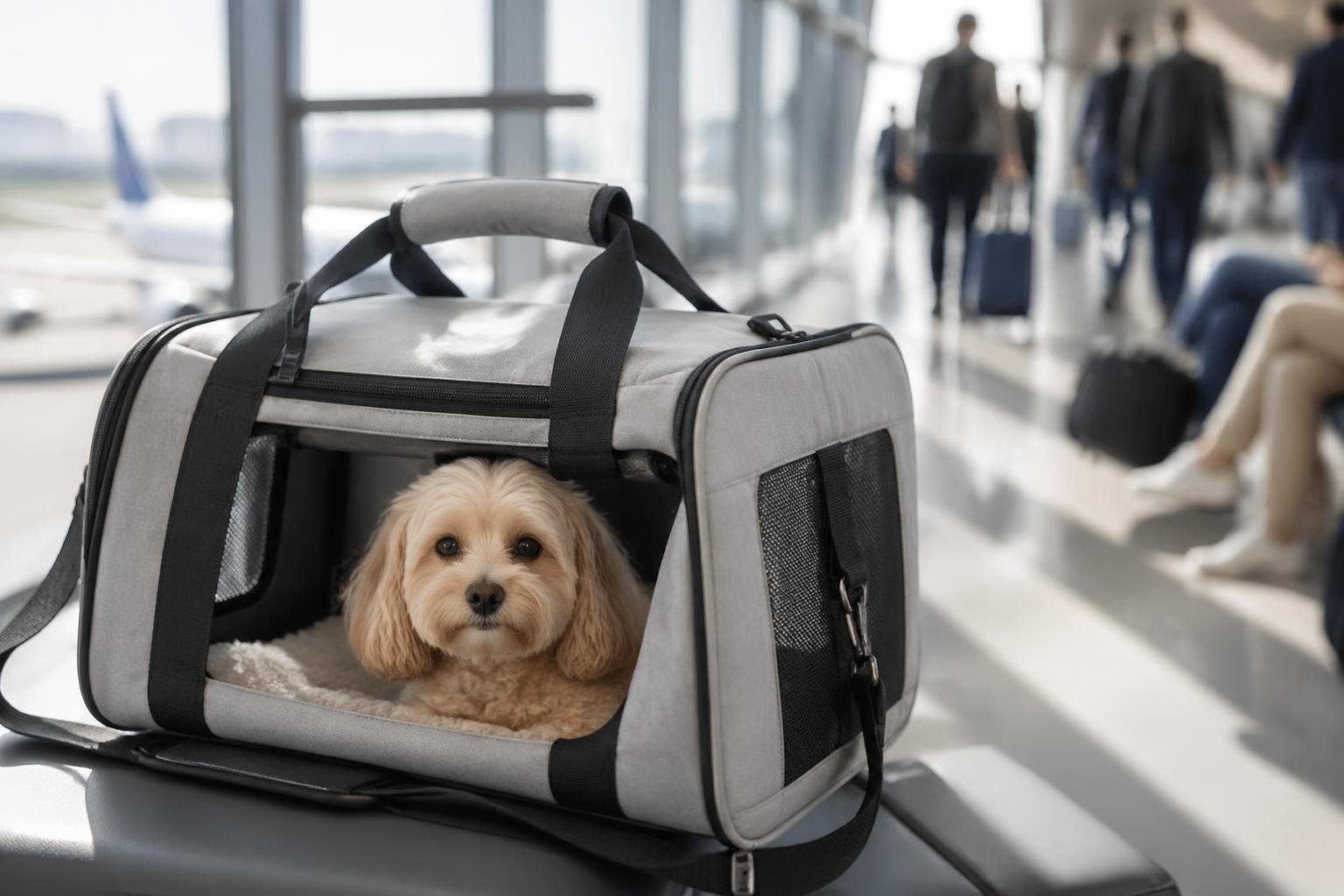
Comfort details matter more than many shoppers expect. A well-built soft-sided pet carrier can lower stress for your dog and make travel easier for you.
The most useful features are the ones that support calm, secure travel and easy cleaning. In my experience, the details you notice most on travel day are ventilation, base support, and whether your dog can settle without fighting the bag.
Ventilation, Visibility, and Calm Travel
Good airflow reduces heat and helps your dog stay calmer. Mesh panels on multiple sides, including scratch-resistant mesh, give your dog enough visibility without making the carrier feel open.
Zippers, Leash Clips, and Base Support
Strong zippers matter because dogs shift when planes move and bags get jostled. An interior leash clip and a stable base help keep your dog secure and keep the carrier from sagging.
Washable Liners and Easy-Clean Materials
Machine-washable pads and wipe-clean interiors save time after accidents or muddy paws. That is one reason many travelers prefer pet carriers with removable mats and simple linings.
Useful Extras Like a Collapsible Water Bowl
A collapsible water bowl is a small item that can make a long day easier. It takes little space in your bag and helps you offer water during layovers or after landing.
Choosing the Best Option for Your Trip
A good carrier depends on where your dog will ride and how often you travel. For cabin use, an airline-approved dog carrier should be your first focus, while cargo travel calls for a different level of structure and protection.
For longer, more demanding travel, an airline-approved dog crate or tough hard-sided kennel may be a better fit than a soft bag. A gunner g1 kennel is often chosen by people who want strong walls and more protection for larger dogs, especially when the dog will not be in the cabin.
Short Domestic Flight vs Long Travel Day
For a short hop, a lighter carrier with decent structure may be enough. For a long day with airport waits, a model with better padding, a shoulder strap, and easy cleaning tends to be worth it.
Cabin Travel vs Cargo Crate Decisions
Cabin travel keeps your dog with you, so soft-sided options are usually the best match. Cargo travel shifts the priority to durability, airflow, and secure construction.
Budget, Durability, and Frequency of Use
If you fly once a year, a mid-range carrier with strong basics may be enough. If you travel often, it makes sense to pay for sturdier fabric, better zippers, and a stronger frame.
How to Cross-Check Your Carrier With Airline Guides
Check the airline’s pet policy, then compare the listed dimensions to your carrier before booking. It also helps to confirm whether the route uses a smaller regional plane, since seat space can be tighter than on larger jets.
Frequently Asked Questions
What are the typical in-cabin carrier size limits for major airlines, and how do I measure my pet correctly?
Most major U.S. airlines require the carrier to fit under the seat in front of you, and the exact measurements can vary by aircraft. Measure your dog from nose to tail base, floor to shoulder, and across the widest point, then compare those numbers to the airline’s published carrier limits.
How can I tell whether a soft-sided or hard-sided carrier is more suitable for my dog on a flight?
A soft-sided carrier is usually better for cabin travel because it compresses more easily under the seat. A hard-sided carrier is more useful for cargo or ground transport, where rigid protection matters more than flexibility.
What features should I look for to ensure good ventilation, comfort, and safety during air travel?
Look for mesh panels, a firm base, secure zippers, and an interior leash clip. Washable padding and a calm, enclosed shape also help your dog settle during the flight.
Are wheeled pet carriers allowed in the cabin, and do the wheels need to be removable to fit under the seat?
Some wheeled carriers are allowed, yet the airline still has to approve the final size under the seat. If the wheels make the bag too tall, removable wheels or a compressible base can help it fit better.
What documentation or health requirements do airlines commonly require for flying with a dog in the cabin?
Many airlines ask for proof of vaccinations, a health certificate, or a reservation for the pet in advance. Rules can change by airline and route, so you should check before you travel.
For dogs around 20–30 pounds, what practical options exist if they don’t comfortably fit in an under-seat carrier?
If the dog cannot fit comfortably in cabin limits, you may need to look at cargo travel or a different trip plan. Some 20-pound dogs can fit with the right dimensions, while most 30-pound dogs will need a larger travel solution than a standard cabin bag.


