

Roverlund Vs Sherpa Vs Expandable Airline Dog Carriers
Picking the right airline-approved dog carrier is one of those decisions that feels simple until you're standing at the gate wondering if your carrier will actually fit under the seat. The comparison of Roverlund vs Sherpa vs expandable airline dog carriers comes up constantly among pet parents, and for good reason.
Each style takes a different approach to the same core problem: keeping your dog safe, calm, and compliant in the cabin.
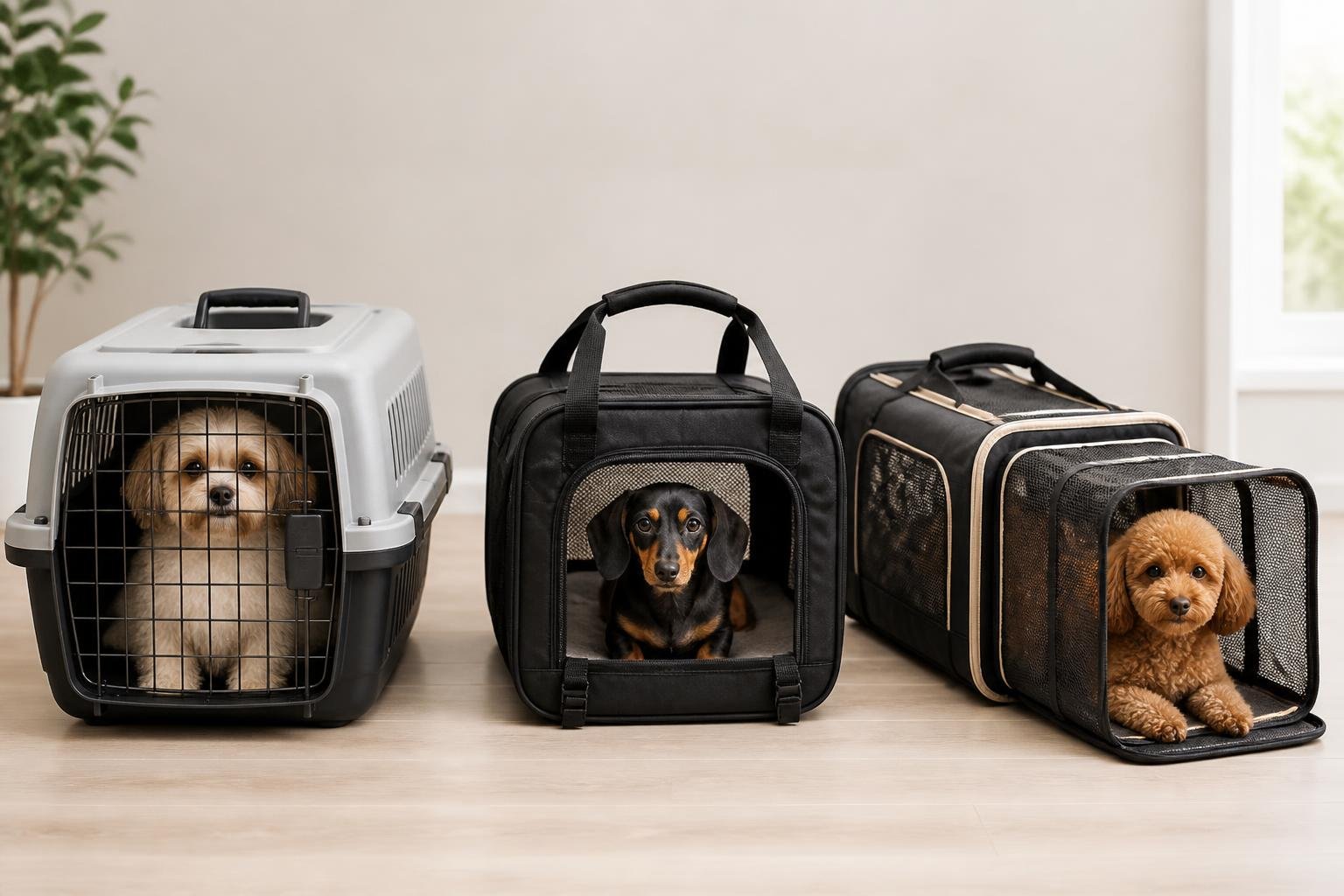
The carrier you choose affects more than just airline compliance; it shapes how calm your dog stays, how easy check-in feels, and how much you stress between gates. Roverlund-style carriers lean into premium build quality and airport mobility.
Sherpa carriers are known for proven airline familiarity and affordable reliability. Expandable designs offer flexible interior space that helps dogs settle during long layovers or delays.
At Rover Ready, the focus is on helping you find a travel-ready carrier that fits your dog, your airline, and your travel style, without the guesswork. If you want a clearer look at carrier sizing rules before you buy, the Rover Ready Airline Size Guide is a practical starting point.
Key Takeaways
- Carrier style matters as much as size; structured, soft-sided, and expandable carriers each serve different travel situations.
- Sherpa carriers offer proven airline acceptance, while Roverlund-style carriers add durability and airport mobility at a higher price point.
- Measuring your dog and checking your specific airline's cabin carrier rules before booking can prevent last-minute problems at the gate.
How To Choose The Right Carrier Style First
Before comparing specific brands, it helps to know which carrier category fits your situation. The right choice depends on your dog's size, your typical flight length, and how often you travel.
Soft-sided pet carriers dominate cabin travel, but not all soft-sided designs handle tight under-seat spaces, long layovers, or nervous dogs the same way.
When A Structured Carrier Style Makes Sense
A structured soft-sided dog carrier, like a Roverlund-style option, works well when you travel frequently and want a carrier that holds its shape across different seat configurations. Structured frames prevent the bag from collapsing onto your dog, which matters on longer flights.
If you move through busy airports often, a structured carrier also pairs better with luggage trolley attachments. That reduces arm fatigue on long travel days.
This style suits pet parents who want a multipurpose dog carrier for airplane use that also functions as a daily bag.
When A Budget-Friendly Flexible Option Works Best
A flexible soft-sided carrier like the Sherpa Original Deluxe is a practical choice when you fly occasionally and want reliable airline acceptance without a high price tag. The spring-wire frame compresses to fit under most airline seats, which is a real advantage on aircraft with tighter under-seat clearance.
This style suits first-time flyers or anyone who wants a proven, low-risk option. The airline-approved pet carrier category has no shortage of flexible designs at under $60 that meet most major U.S. airline requirements.
When Extra Expandable Space Helps During Long Travel Days
An expandable pet carrier with side or top panels lets your dog spread out during layovers and then compress back to compliance before boarding. You zip the expandable sections closed before the flight and open them once you are settled in your seat.
This style is especially useful for travel days with extended airport time. A double-sided expandable carrier offers the most interior room and works well for dogs that get restless in confined spaces.
Roverlund, Sherpa, And Expandable Carriers Compared
These three carrier styles cover most of what dog owners need for cabin travel, from budget basics to premium builds. The differences come down to construction, features, and how each one performs in real airport conditions.
Here is how they stack up.
Roverlund-Style Carriers: Best For Premium Features And Airport Mobility
The Roverlund Out-of-Office Pet Carrier consistently earns top marks among the best pet carriers for air travel. It features a structured yet flexible frame, a waterproof bottom, a removable washable fleece liner, and a shoulder strap that converts into a rope leash.
The rear pocket includes a removable insert so the carrier can compress for planes with less under-seat clearance. A Wheel Base accessory sold separately adds rolling mobility through terminals.
Roverlund carriers come in small (up to 15 lbs) and large (up to 25 lbs) sizes and are airline-compliant across most major U.S. carriers.
| Feature | Roverlund | Sherpa Original Deluxe | Expandable Design |
|---|---|---|---|
| Price Range | $149+ | Under $50 | $40–$90 |
| Frame Type | Structured flexible | Spring-wire flexible | Semi-structured |
| Washable Liner | Yes | Yes | Varies |
| Expandable Space | No | No | Yes |
| Luggage Sleeve | Optional add-on | No | Varies |
| Airline Guarantee Program | No | Yes (Guaranteed on Board) | No |
Sherpa-Style Carriers: Best For Proven Airline Familiarity And Value
The Sherpa Original Deluxe pet carrier has been a go-to airline pet carrier for years. It partners with major airlines including Delta, United, and Southwest through the Guaranteed on Board program, which reimburses you for flight costs if boarding is denied due to the carrier.
It offers top and side entry, a machine-washable liner, and a spring-wire frame that flexes to fit under seats. At under $50, it is one of the most accessible airline-approved pet carriers available.
Expandable Designs: Best For Waiting Areas And Longer Layovers
Expandable soft-sided carriers like the Mr. Peanut's double-sided option give dogs extra room to stretch out between flights. The expandable panels zip closed before boarding to meet carrier size requirements, then open again once you are seated.
Other well-regarded options in this space include the Away pet carrier, which adds a trolley sleeve for rolling luggage compatibility, and the Sleepypod Air, which uses an internal tether and rigid structure for added security.
The wild one travel carrier and the Arlo Skye pet carrier also appear in this segment for travelers who want a more design-forward look.
Features That Matter Most In The Cabin
Not every feature on a carrier spec sheet translates to a real difference in the cabin. The features that matter are the ones that affect fit under the seat, your dog's comfort during flight, and how smoothly you move through the airport.
Three areas stand out consistently across carrier categories.
Fit, Flex, And Under-Seat Confidence
The carrier must fit under the seat in front of you for the full duration of the flight. Most major U.S. airlines require a soft-sided carrier that collapses slightly to fit within seat dimensions, which typically range from about 17 to 21 inches long, 11 to 14 inches wide, and 8 to 11 inches tall.
Always verify the specific rules for your airline before purchasing. A collapsible dog carrier with a flexible frame handles this better than a rigid one.
Look for a removable insert or compressible panel if you are flying on a regional aircraft with tighter clearance.
Ventilation, Privacy, And Calm Travel
Mesh panels on multiple sides improve airflow and let your dog see and smell their surroundings, which helps reduce anxiety. A vet nurse noted in a recent expert roundup that mesh doors allow air circulation and even a reassuring finger-through-the-mesh touch without opening the carrier in a busy environment.
Some carriers also include a retractable privacy screen, which can help dogs that get overstimulated by airport activity. The Away pet carrier includes this feature as standard.
Security And Carry Comfort For Busy Airports
Self-locking zippers prevent dogs from nudging their way out during high-stress moments like boarding and deplaning. An interior tether or safety collar clip adds a secondary layer of containment if the zipper opens unexpectedly.
For carry comfort, a padded removable shoulder strap and a luggage sleeve are practical over long airport walks. A luggage sleeve lets the carrier sit securely on top of a rolling suitcase, which is easier on your back than carrying it separately through a large terminal.
Best Picks By Traveler Type And Dog Size
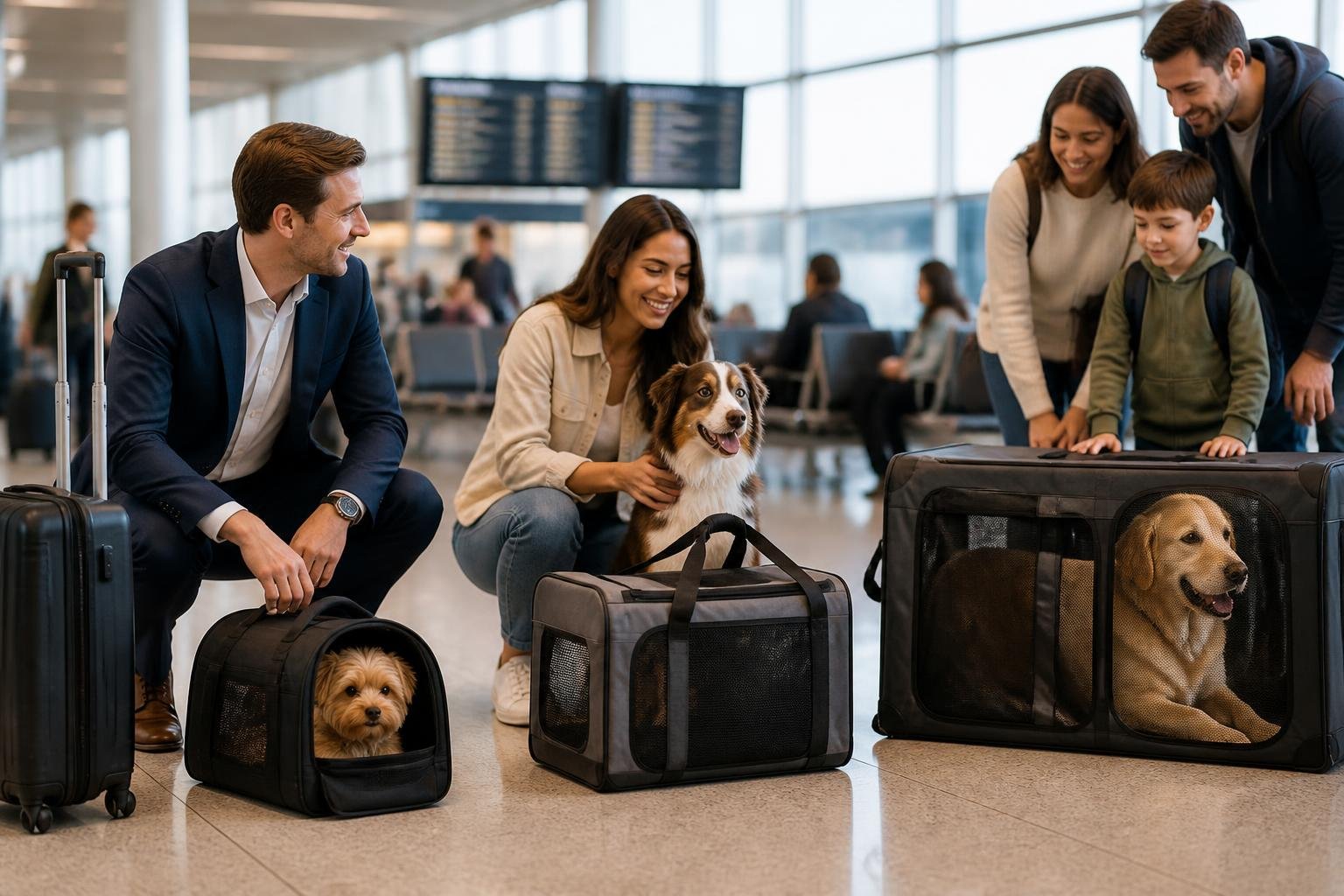
Finding the best airline approved dog carrier depends on who you are as a traveler, not just what size your dog is. A nervous first-timer has different needs than a road warrior who flies monthly.
These picks reflect real-world use cases across the most common traveler types.
Best For Nervous First-Time Flyers
The Sherpa Original Deluxe is the most practical starting point for anyone flying with a dog for the first time. The Guaranteed on Board program removes a major source of stress: the fear that your carrier will be rejected at the gate.
It is also affordable, easy to find, and accepted on most major U.S. airlines. Pair it with an interior clip tether and a familiar-smelling washable bed to help your dog feel settled during the flight.
Best For Frequent Flyers Who Want A Roverlund Alternative
If you fly often and want a Roverlund alternative with similar build quality, the Away pet carrier and the Sleepypod Air are strong options. The Away carrier adds a trolley sleeve and retractable privacy screen that Roverlund does not include.
The Sleepypod Air uses a rigid structure and internal tether for dogs that push against soft-sided walls. According to a roundup of the best dog carriers for airplanes, the Away carrier is considered by many certified trainers to be a top alternative to Sherpa for small dogs on commercial flights.
Best For Small Dogs, Cats, And Multi-Use Travel
For dogs under 10 pounds or cats, a pet carrier backpack offers a hands-free option that also works well for vet visits and city travel. The Dagne Dover Kyoto pet carrier is one design-forward option in this category that doubles as a structured carry bag.
For multi-use travel that covers both car and air, look for a soft-sided crate with ISOFIX crash-tested ratings. The Tavo Dupree fits this profile and includes two machine-washable mattress pads, a luggage tag, and an AirTag holder.
Rover Ready's Airline Fit And Travel Checklist
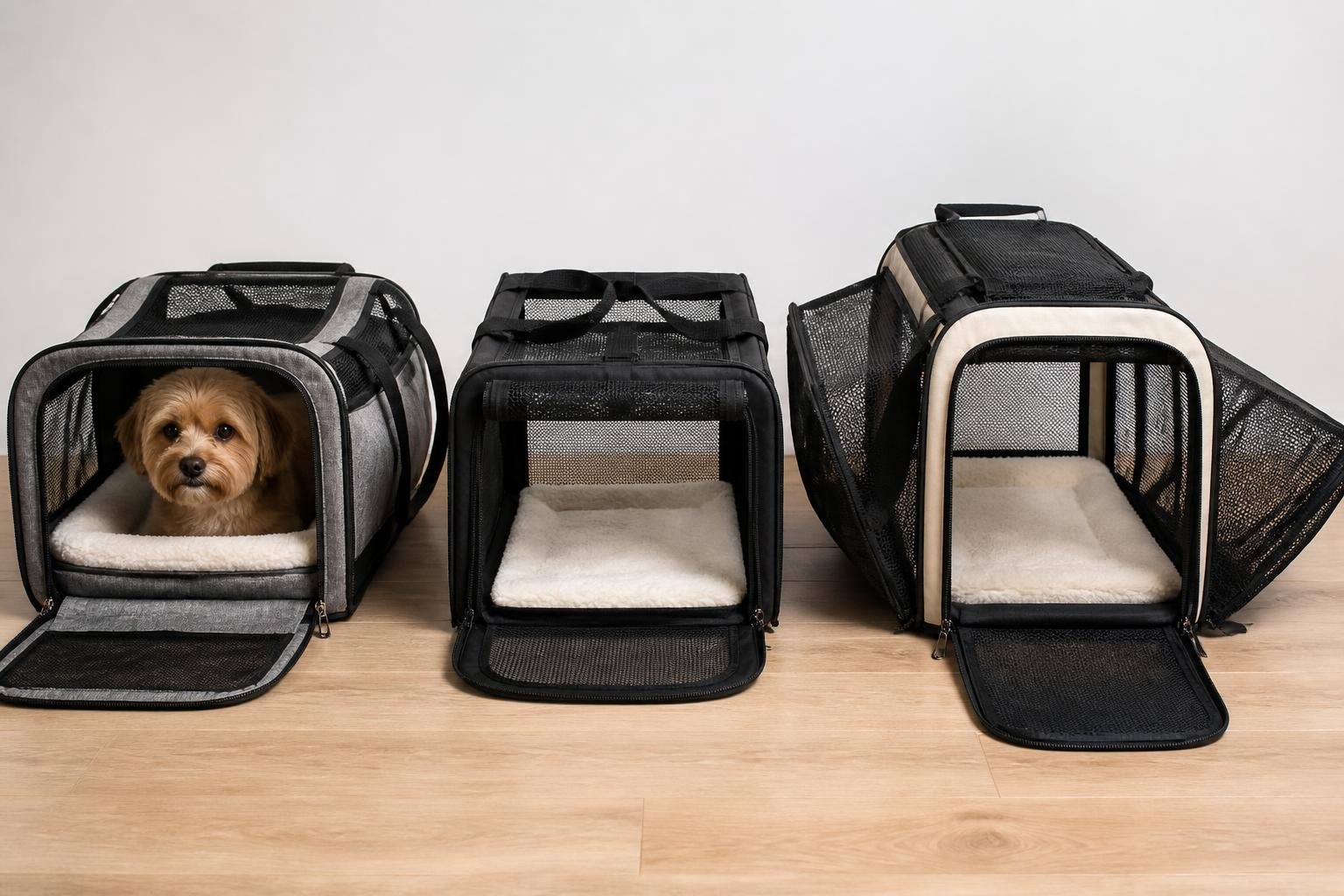
Getting your dog carrier right before you arrive at the airport is a straightforward process when you know what to check. These three steps cover the essentials: measuring correctly, matching carrier specs to airline rules, and packing for a lower-stress travel day.
How To Measure Your Dog And Carrier Before Booking
Measure your dog in a natural standing position: length from nose to tail base, height from the floor to the top of the shoulders, and width at the widest point. Add two to three inches to each measurement to ensure your dog can stand, turn around, and lie down inside the carrier.
Then compare those numbers to the carrier's interior dimensions, not the exterior ones. Exterior dimensions tell you if the carrier fits under the seat.
Interior dimensions tell you if your dog fits inside it comfortably.
How To Match A Carrier To Airline Rules And Regional Flights
Each airline sets its own in-cabin pet carrier size limits, and regional carriers often have tighter restrictions than mainline flights. Before booking, check your specific airline's pet travel page for current carrier dimensions and combined pet-plus-carrier weight limits.
The Rover Ready Airline Size Guide compares common cabin carrier requirements across major U.S. airlines in one place. Look for soft-sided construction, mesh panels, and a flexible frame as the baseline requirements for most domestic airlines.
What To Pack For A Lower-Stress Airport And Road Trip
A familiar washable bed inside the carrier gives your dog a scent anchor in an unfamiliar environment. Pack a collapsible water bowl, a small bag of treats, and any anxiety aids your vet has approved.
Keep your dog's health records, vaccination proof, and airline pet confirmation number accessible in a carrier side pocket. For road trips, a safety collar clip or interior tether helps even in the car.
Quick Pre-Travel Checklist:
- Measure dog and compare to carrier interior dimensions
- Confirm carrier exterior dimensions meet your airline's rules
- Verify combined pet and carrier weight is within the airline limit
- Pack a washable liner and a familiar-smelling item
- Bring health records and vaccination documentation
- Test the carrier at home before travel day
Frequently Asked Questions
Which in-cabin pet carriers are most widely accepted across major airlines?
Soft-sided carriers with flexible frames are accepted on most major U.S. airlines, including Delta, United, American, and Southwest. The Sherpa Original Deluxe is one of the most widely recognized options due to its Guaranteed on Board airline partnership program.
Always confirm the specific size and weight limits with your airline before your trip.
How do Roverlund, Sherpa, and other soft-sided carriers compare for comfort, durability, and ventilation?
Roverlund carriers offer more structure, durable materials, and a washable fleece liner, making them a strong choice for frequent travelers. Sherpa carriers are more affordable and still include a machine-washable liner and spring-wire frame that compresses under seats.
Both provide mesh ventilation panels, but Roverlund's build quality tends to hold up better over heavy use.
What size and weight limits should I check to choose a carrier that fits under an airplane seat?
Most U.S. airlines require in-cabin pet carriers to measure roughly 17 to 21 inches long, 11 to 14 inches wide, and 8 to 11 inches tall, though limits vary by carrier and aircraft type. The combined weight of your dog and the carrier typically must stay under 20 pounds, but some airlines set this limit at 15 or 25 pounds.
Always check your specific airline's current pet policy page before purchasing a carrier.
Are expandable soft-sided pet carriers allowed on airlines, and when can they be expanded during travel?
Most airlines allow expandable pet carriers as long as the carrier fits within the required dimensions when the expandable sections are zipped closed during boarding and flight. You can open the expandable panels once the flight is underway and the seatbelt sign is off, giving your dog more room to stretch.
Confirm this with your airline before boarding, as policies can differ.
What are the differences between in-cabin airline-approved pet carriers and cargo-rated pet crates?
In-cabin airline-approved pet carriers are soft-sided, lightweight, and designed to fit under the seat in front of you during the flight. Cargo-rated pet crates are hard-sided, larger, and used when a dog travels in the aircraft's pressurized cargo hold rather than the cabin.
In-cabin travel is generally considered lower stress for dogs and is only available for pets that meet the airline's size and weight requirements.
What are the best airline-approved carrier options for medium dogs around 30 pounds?
Most airlines restrict in-cabin travel to dogs whose combined weight with the carrier stays under 20 to 25 pounds. This rules out most medium dogs weighing around 30 pounds for cabin travel.
Some airlines set the limit higher. Checking individual airline policies is essential.
If your dog exceeds the in-cabin limit, cargo-compliant crate options for larger dogs become the relevant category to explore.


