

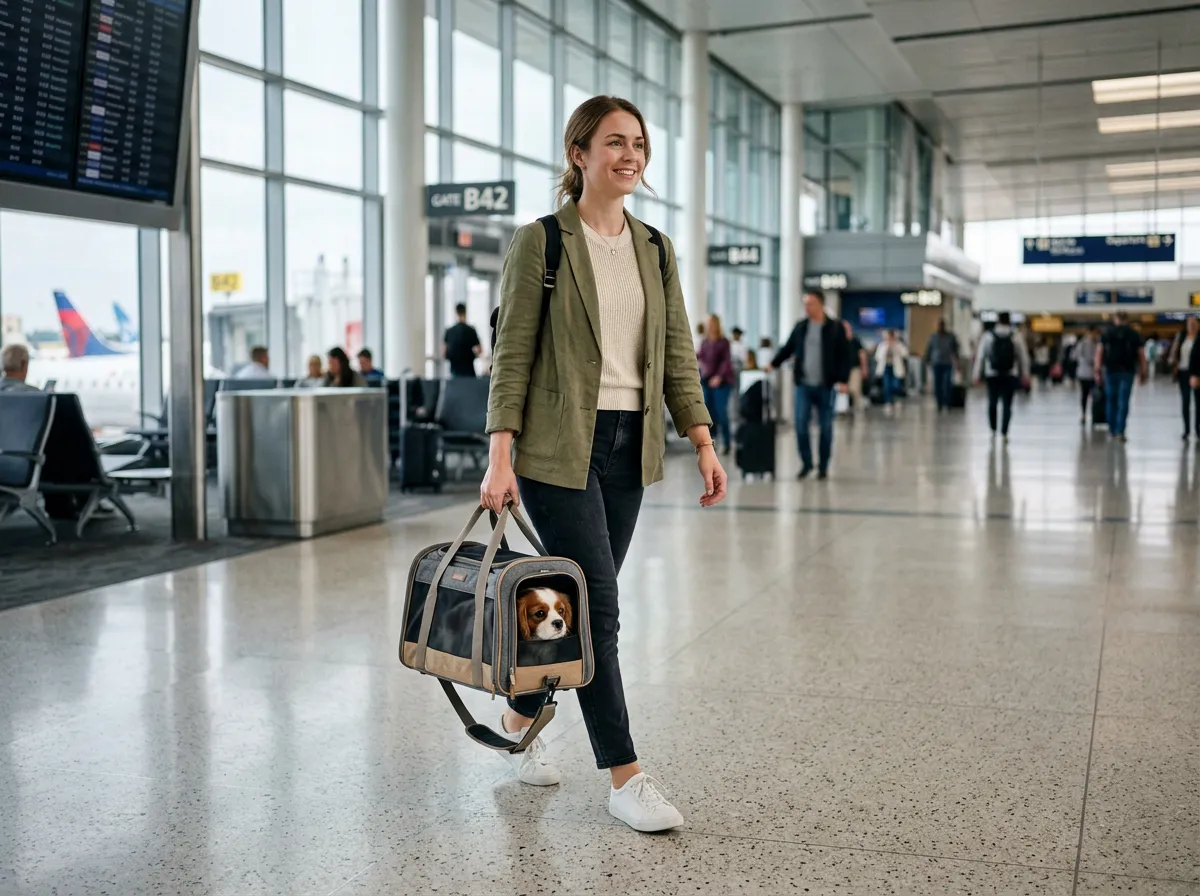
By Craig Roberts, Rover Ready Co
Travel with your dog requires planning, and the carrier is central to that process. An airline-approved carrier protects your pet and helps you comply with airline rules. This guide explains which features to prioritise, how to confirm airline compliance, and practical selection steps. Use the guidance to choose a carrier that meets regulations and provides a secure, comfortable space for your dog.
Choosing the right carrier reduces stress for both you and your dog, speeds up the airport process, and helps prevent last-minute changes at check-in. Many problems stem from carriers that are too small, lack adequate ventilation, or use materials that do not hold up to travel conditions. Read the sections that match your needs—size checks, material selection, and pre-travel preparation—and use the checklists to confirm compliance before your flight.
Key Takeaways
- An airline-approved dog carrier must comply with specific size, material, and ventilation airline regulations.
- Soft-sided carriers are preferred for air travel due to flexibility, comfort, and ease of storage.
- Measuring your dog accurately ensures the carrier provides enough space for comfort and airline compliance.
- Key features of compliant carriers include padded interiors, breathable fabrics, secure closures, and durable materials.
- Understanding and following airline-specific pet carrier policies prevents travel disruptions and check-in issues.
- Familiarizing your dog with the carrier before travel reduces anxiety and improves comfort during flights.
- Regularly checking airline updates and policies helps maintain compliance with changing pet travel regulations.
- Choosing carriers from reputable brands and verifying product quality ensures safety and durability for pet travel.
Key Features to Look For:
Prioritise features that ensure regulatory compliance and in-cabin comfort for your pet.
- Comfort-Driven Design: Look for carriers with padded interiors and breathable materials to keep your dog comfortable during the flight.
- Airline Approval: Ensure the carrier meets the specific requirements set by the airline you are flying with, including size and weight limits.
- Durability and Safety: Choose carriers made from high-quality materials that can withstand wear and tear, and have secure closures to prevent escapes.
These design and safety elements support a reliable travel experience, and regulatory compliance is equally necessary.
In practice, comfort-driven design means the carrier offers a stable base, non-slip matting, and enough internal room for natural movement. Durability includes reinforced seams, sturdy zippers or hardware, and secure anchor points. When evaluating airline approval, check for published dimensions and any manufacturer notes stating the carrier is accepted by major airlines—always confirm with your specific carrier and route before booking.
Airline Regulations:
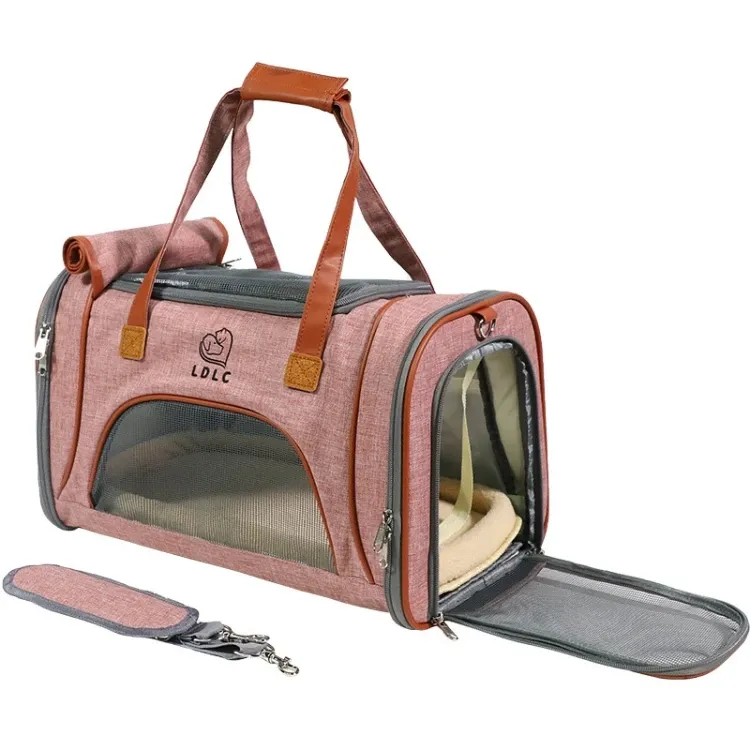
Airline regulations define the standards a carrier must meet to be accepted in the cabin. Review these rules before you travel to avoid delays at check-in.
- Size and Weight Limits: Most airlines have specific size and weight restrictions for carriers. Typically, the maximum dimensions for a carry-on pet carrier are around 18" x 11" x 11".
- Material Requirements: Carriers must be made of sturdy materials that can withstand pressure and potential impacts during travel.
- Ventilation Standards: Adequate ventilation is essential for your pet's comfort. Look for carriers with mesh panels that allow for airflow.
Confirm these criteria with your airline to select a carrier that meets policy requirements and maintains pet welfare.
Contacting the airline directly is the most reliable way to verify requirements, especially for international travel or complex itineraries with connections. Some carriers accept a range of soft-sided designs while others have stricter rules for hard-sided crates; gate-check and cargo rules may differ from in-cabin policies. Keep a screenshot or printout of the airline’s pet policy to present at check-in if needed.
Tips for Selecting the Best Option:
Select a carrier based on airline rules, accurate measurements, and your pet’s comfort needs.
- Research Airline Policies: Different airlines have varying requirements for pet carriers. Always check the specific guidelines of the airline you plan to fly with.
- Measure Your Dog: Accurately measuring your dog’s height and length will help you select a carrier that provides enough space for them to stand, turn around, and lie down comfortably.
- Familiarize Your Pet: Before the trip, allow your dog to explore the carrier at home. This will help reduce anxiety and make them feel more comfortable during travel.
Follow these steps to choose a carrier that complies with regulations and suits your dog.
When researching policies, note any requirements for secure fastenings, types of allowed bedding, or items that must be removed for security screening. Check return policies and warranty coverage from the seller—this helps if a carrier is not compliant or has manufacturing defects. Practical considerations such as the carrier’s weight when empty, how it fits in a car, and whether it collapses for storage can also influence your choice.
What Are Airline-Approved Dog Carriers and Why Are They Essential?
Airline-approved carriers are designed to meet airline standards for transporting pets in the cabin. They are required to ensure legal compliance and safe handling during travel.
- Compliance with Airline Regulations: They ensure that your pet meets the necessary requirements for air travel, preventing any issues at check-in.
- Safety and Comfort for Pets: A well-designed carrier provides a secure and comfortable environment for your dog during the flight.
- Convenience for Pet Owners: Having an airline-approved carrier simplifies the travel process, allowing you to focus on enjoying your trip.
Recognising the role of approved carriers is the first step to planning compliant and safe travel with your dog.
Beyond standard compliance, approved carriers sometimes incorporate features for airport security checks and in-cabin handling—removable tops or side panels can make inspections faster. Consider how easy it will be to transfer your pet from a car to the carrier and then into the cabin; seamless transitions reduce stress for animals and owners alike.
Definition and Key Features of Airline-Approved Pet Carriers
These carriers are defined by adherence to airline specifications for size, materials, and ventilation. They should also include practical safety features.
- Size Compliance: Carriers must fit within the airline's specified dimensions for cabin luggage.
- Ventilation: Adequate airflow is crucial for your pet's comfort, which is why many carriers feature mesh panels.
- Security Features: Look for carriers with secure closures to prevent accidental openings during transit.
Meeting these standards ensures the carrier is suitable for air travel and supports pet welfare in transit.
Key features often include reinforced stitching at stress points, a spill-resistant base, and attachment points that allow the carrier to be secured under a seat. Some carriers include interior tether loops to attach a flat harness for added security. Evaluate the carrier's overall construction and user reviews to confirm these features are reliable in real-world use.
Benefits of Using Compliant Carriers for Air Travel Safety and Comfort
Compliant carriers reduce travel risk and improve the in-cabin experience for your pet.
- Guaranteed Compliance: Ensures that you won't face any issues at the airport regarding your pet's travel arrangements.
- Enhanced Comfort: A well-ventilated and padded carrier keeps your pet comfortable during the flight, reducing stress.
- Convenience and Portability: Many compliant carriers are designed for easy transport, making it simpler to navigate through airports.
These advantages justify selecting a carrier that meets airline standards and supports pet safety.
Using a compliant carrier also speeds up the check-in process and reduces the chance of last-minute rebooking or denial. Pets that travel comfortably are less likely to vocalise or show signs of distress, which benefits everyone on the flight. Portability features such as shoulder straps and trolley sleeves help you move through terminals more easily while keeping your pet secure.
What Are the Airline Pet Carrier Size Requirements for Carry-On Pets?
Size requirements vary by airline, but standard maximum dimensions for carry-on pet carriers are typically near 18" x 11" x 11". Verify specific limits before travel.
- American Airlines Size Limits: 18" x 14" x 9"
- Delta Airlines Size Limits: 18" x 11" x 11"
- Southwest Airlines Size Limits: 18" x 8" x 10"
Confirm the current dimensions with your airline to ensure compliance for your flight.
Even when a carrier is within the published dimensions, actual gate staff may assess fit under a seat differently; packing the carrier so it retains shape can help. When buying, measure both interior and exterior dimensions—interior space is what matters for pet comfort, while exterior dimensions determine acceptance by the airline.
How to Measure Your Dog and Carrier to Meet Airline Regulations
Accurate measurement prevents non-compliance and ensures your dog has adequate space.
- Measuring Your Dog: Measure from the tip of the nose to the base of the tail for length, and from the ground to the top of the shoulders for height.
- Measuring the Carrier: Ensure the carrier's dimensions meet the airline's requirements by measuring its length, width, and height accurately.
- Checking Airline Policies: Always verify the specific requirements of the airline you are flying with, as they can vary.
Use these measurements to select a carrier that satisfies airline rules and provides adequate room for your pet.
Practical measuring tips: have your dog stand naturally when measuring and use a soft tape measure for accuracy. If your dog is nervous standing still, use gentle treats to hold their attention. When checking the carrier, measure the internal floor space and internal height at the highest point; interior usable space is the key for comfort.
Comparison of Size Limits Across Major Airlines for 2023
Compare airline size limits before booking to avoid non-compliance at the airport. Below are representative limits for major carriers.
| Airline | Maximum Dimensions (inches) |
|---|---|
| American Airlines | 18 x 14 x 9 |
| Delta Airlines | 18 x 11 x 11 |
| Southwest Airlines | 18 x 8 x 10 |
Use this comparison as a reference and verify the most current limits with each airline prior to travel.
Remember that these are representative examples. If your flight includes multiple carriers, follow the most restrictive policy that applies to any leg of your journey. When possible, check policy changes close to your departure date to avoid surprises.
Why Choose Soft-Sided Dog Carriers for Flights?
Soft-sided carriers combine flexibility, comfort, and storage advantages that align with common airline cabin requirements.
- Comfort: Soft-sided carriers typically have padded interiors, providing a cozy space for your pet.
- Compliance with Airline Regulations: Many airlines prefer soft-sided carriers as they can be easily squeezed under the seat in front of you.
- Ease of Storage: These carriers can be folded flat when not in use, making them convenient for storage.
Selecting a soft-sided carrier can simplify transport while maintaining comfort and policy compliance.
Soft-sided carriers are particularly useful for smaller dogs and short- to medium-duration flights where in-cabin placement is required. They offer more give when fitting under seats and often weigh less than hard crates, which makes them easier to carry through airports. For extended travel or very large breeds, hard-sided options or approved kennels may still be necessary.
Advantages of Soft-Sided Carriers for Pet Comfort and Airline Compliance
Soft-sided carriers offer features that assist with fitting cabin spaces and maintaining pet comfort.
- Flexibility and Fit: Their soft structure allows them to fit snugly under airplane seats, ensuring compliance with size regulations.
- Ventilation: Many soft-sided carriers feature mesh panels that provide excellent airflow, keeping your pet comfortable during the flight.
- Comfort Features: Look for carriers with padded interiors and adjustable straps for added comfort and convenience.
These attributes make soft-sided carriers a practical choice for in-cabin pet transport.
When selecting, ensure mesh panels are durable and protected from scratching. Adjustable straps and carrying options help distribute weight and reduce shoulder strain. Consider carriers with multiple entry points so you can place your dog inside or take them out easily during layovers.
Material Types and Durability Considerations for Soft-Sided Carriers
Material choice affects durability, ventilation, and maintenance. Evaluate fabrics and construction before purchase.
- Durable Materials: Look for carriers made from high-quality fabrics that can withstand wear and tear.
- Breathable Fabrics: Ensure the materials used allow for proper ventilation to keep your pet comfortable.
- Cleaning Considerations: Choose carriers with removable and washable covers for easy maintenance.
Select materials that balance longevity, airflow, and ease of cleaning to support regular use.
Maintenance tips: choose carriers with removable pads and machine-washable covers for quick freshening between trips. Avoid fabrics that trap odors or stain easily. Inspect zippers and seams regularly and clean salt or dirt after beach or winter travel to prolong the carrier’s life.
How to Select the Best Airline Pet Carrier for Your Dog?
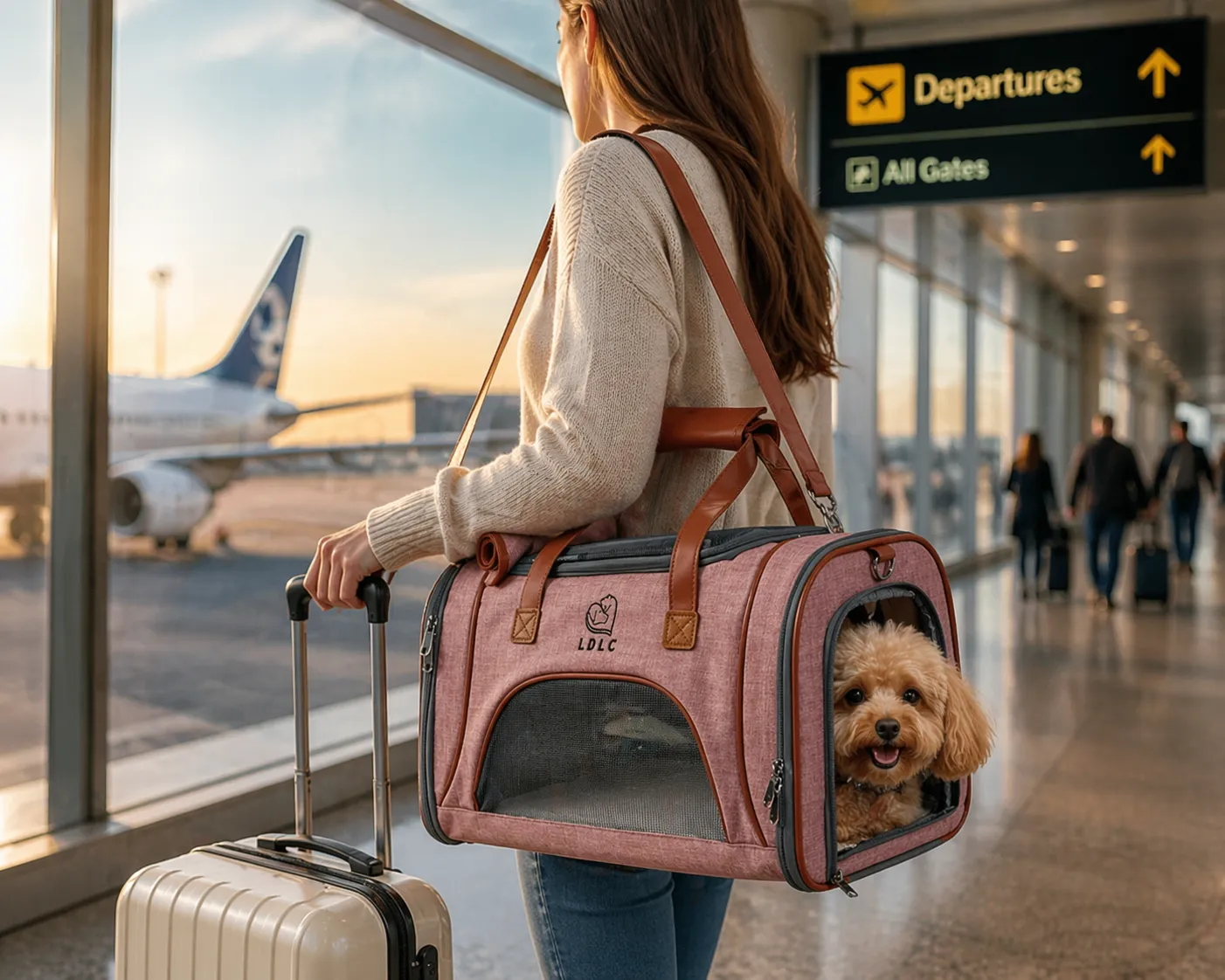
Select a carrier by verifying size compliance, material quality, and comfort features relevant to your dog.
- Size Requirements: Ensure the carrier meets the airline's size regulations for carry-on pets.
- Material Considerations: Choose a carrier made from durable and breathable materials for your pet's comfort.
- Comfort Features: Look for padded interiors and secure closures to enhance your pet's travel experience.
Evaluate these criteria to identify a carrier that is both compliant and appropriate for your pet.
Check returns and warranty policies before purchasing. If you receive a carrier that does not fit your needs or an airline’s policy, a clear return window simplifies resolving the issue. Read user reviews focused on airline travel to learn about real-world fit and durability.
Key Product Features to Evaluate: Size, Comfort, and Compliance
Focus evaluations on regulatory fit, comfort provisions, and construction quality.
| Feature | Description | Importance |
|---|---|---|
| Size Compliance | Must fit within airline regulations | Essential for travel |
| Comfort Features | Padded interiors and breathable materials | Enhances pet comfort |
| Durability | High-quality materials that withstand wear | Ensures long-term use |
These features determine the carrier's suitability for frequent or occasional travel and for maintaining pet welfare.
When comparing products, weigh the importance of each feature relative to how often you will travel. Frequent flyers may prioritise durability and warranty, while occasional travellers might prioritise cost and foldability.
Top Brands and Models of Airline-Approved Dog Carriers in 2023
Certain brands produce carriers that are widely accepted and meet common airline standards. Consider model-specific reviews when choosing.
- Petmate Sky Kennel: Known for its durability and compliance with airline regulations.
- Sherpa Travel Original Deluxe Carrier: Offers comfort and flexibility, making it a favorite among pet owners.
- AmazonBasics Soft-Sided Pet Travel Carrier: A budget-friendly option that meets most airline requirements.
Review product specifications and user feedback for these models to confirm they fit your needs.
When evaluating brands, look for consistent positive feedback regarding airline acceptance and long-term durability. If possible, test the carrier in-store with your dog to verify fit and comfort before committing to a purchase.
What Are the Latest Pet Travel Carrier Regulations and Airline Policies for 2023?
Regulations evolve; 2023 updates include adjustments to size limits, material expectations, and ventilation standards. Verify current policies before travel.
- Updated Size Requirements: Many airlines are adjusting their size limits for pet carriers, so always check before traveling.
- Material Standards: Airlines are increasingly requiring carriers to be made from specific materials to ensure safety and comfort.
- Ventilation Guidelines: Enhanced ventilation standards are being implemented to improve pet comfort during flights.
Monitor airline communications to ensure your carrier remains compliant under current rules.
Policy updates may be published seasonally or in response to operational changes, so sign up for airline alerts and check policy pages before each trip. This is particularly important if you travel internationally, as entry and transit requirements can differ from domestic rules.
Summary of Updated Airline Pet Carrier Rules and Restrictions
Key 2023 rules address carrier dimensions, material safety, and ventilation requirements. These areas are the primary compliance checkpoints.
- Size Limits: Most airlines have specific size requirements that must be adhered to for carry-on pets.
- Material Compliance: Carriers must be made from durable and safe materials.
- Ventilation Standards: Adequate ventilation is required to ensure pet comfort during flights.
Adherence to these rules reduces the risk of denied boarding or additional fees at the airport.
In addition to these core areas, airlines sometimes specify how pets must be secured inside carriers and whether certain accessories (collapsible bowls, harnesses) are allowed in the cabin. Verify these details to avoid last-minute adjustments that could delay your departure.
How to Stay Informed About Changing Pet Travel Policies
Use official airline channels and direct alerts to receive timely policy updates.
- Resources for Updates: Follow airline websites and pet travel blogs for the latest information.
- Importance of Checking Regularly: Policies can change frequently, so regular checks are necessary.
- Using Alerts and Newsletters: Sign up for alerts from airlines and pet travel organizations to receive timely updates.
Establish a routine to review airline policy pages and subscribe to relevant notifications before each trip.
Keep a folder (digital or printed) with the latest policy screenshots, contact phone numbers, and any required health documentation so you can present them at the airport if questions arise. This proactive approach reduces stress and speeds up interactions with airline staff.
How to Prepare Your Dog and Carrier for Air Travel?
Preparation reduces stress for both pet and owner. Confirm carrier compliance, acclimatise the dog, and pack necessary comforts.
- Choosing the Right Carrier: Ensure the carrier meets airline regulations and is comfortable for your pet.
- Familiarizing Your Dog: Allow your dog to explore the carrier at home to reduce anxiety.
- Packing Essentials: Bring along comfort items such as a favorite blanket or toy to help your pet feel secure.
Complete these steps well in advance of travel to ensure a controlled departure process.
A gradual acclimatisation plan helps most dogs: leave the carrier open at home, place treats and bedding inside, and encourage short stays that gradually increase in duration. Practice carrying the dog in the carrier during local trips so they associate the carrier with safe, predictable motion. Make the carrier a positive space rather than a place for discipline.
Step-by-Step Travel Preparation Guide for Pet Owners
Follow an ordered checklist to confirm carrier suitability and prepare your pet for travel.
- Select an Airline-Approved Carrier: Choose a carrier that meets airline regulations.
- Measure Your Dog: Ensure your dog fits comfortably in the carrier.
- Familiarize Your Pet: Allow your dog to spend time in the carrier before the trip.
- Pack Comfort Items: Include familiar items to help your pet feel secure during travel.
- Check Airline Policies: Review the airline's pet travel policies to avoid surprises.
Adhere to this sequence to prepare efficiently and reduce the likelihood of last-minute issues.
Practical checklist additions: attach a visible ID tag with your contact details to the carrier, include a small supply of food and medication, and bring printed proof of your dog’s allowable size and any vaccination or health documentation the airline or destination may request. If you will need assistance at the airport, arrive early to give yourself time to resolve any questions.
Tips for Ensuring Pet Comfort and Safety During Flights
Implement proven measures to support your pet’s comfort and safety in transit.
- Familiarization with the Carrier: Allow your dog to get used to the carrier before the trip.
- Packing Comfort Items: Bring along a favorite blanket or toy to provide comfort.
- Monitoring Your Pet: Keep an eye on your pet during the flight to ensure they are comfortable and calm.
Consistent preparation and monitoring increase the likelihood of a calm and safe flight for your pet.
Avoid feeding your dog a large meal right before travel to minimise nausea; provide small amounts of water and consider a spill-proof container. If your dog has medical needs or severe anxiety, consult your veterinarian for tailored advice rather than relying on general recommendations. Consider a short practice flight or extended car trip if your dog has not travelled before.
What Are Common Questions About Airline-Approved Dog Carriers?
Owners commonly ask about size, carrier type, and methods to improve pet comfort. Clear answers reduce uncertainty.
- What size carrier do I need?: The carrier must fit within the airline's specified dimensions for carry-on pets.
- Are soft-sided carriers allowed?: Yes, most airlines allow soft-sided carriers as they can be easily stored under the seat.
- How do I ensure my pet is comfortable?: Choose a carrier with a padded interior and allow your pet to familiarize themselves with it before travel.
Address these points early in trip planning to avoid complications at the airport.
If in doubt, call the airline’s customer service with carrier dimensions and the breed or size of your dog; a confirmation from an agent can be helpful at check-in. Keep a record of the representative’s name and reference number, if provided.
Can I Bring a Soft-Sided Carrier on a Plane?
Soft-sided carriers are generally permitted if they meet the airline's dimensional and material standards.
- Soft-Sided Carrier Benefits: They are flexible and can fit under the seat, making them a popular choice for pet owners.
- Airline Policies: Always check with your airline for specific guidelines regarding soft-sided carriers.
- Compliance Considerations: Ensure the carrier is made from durable materials and has adequate ventilation.
Confirm airline requirements in advance, then select a soft-sided carrier that satisfies those specifications.
At security screening, you will typically be asked to remove your pet from the carrier so the empty carrier can be X-rayed. Practise handling this process with your dog so they remain calm during the brief separation. Having a leash ready and a calm, familiar blanket can help make this moment run smoothly.
How to Choose an Airline-Approved Dog Carrier?
Evaluate carriers against compliance, comfort, and construction criteria specific to your pet and airline.
- Compliance Requirements: Ensure the carrier meets the airline's size and material regulations.
- Comfort Features: Look for padded interiors and breathable materials to enhance your pet's comfort.
- Durability: Select a carrier made from high-quality materials that can withstand travel conditions.
Prioritise the factors most relevant to your travel frequency and your dog’s size and temperament.
When deciding, imagine a typical travel day with security checks, boarding, and potential delays. A carrier that keeps your pet comfortable and is easy to manage at each stage will usually deliver the best travel experience for both of you.
Where to Buy Airline-Approved Dog Carriers and Pet Travel Accessories?
Choose retailers that carry certified carriers and provide clear product specifications.
- Local Pet Stores: Many local pet stores carry a selection of airline-approved carriers.
- Online Retailers: Websites like Rover Ready Co offer a variety of compliant carriers and accessories.
- Price Ranges: Prices for airline-approved carriers can vary widely, so it's important to compare options.
Compare product details and return policies across retailers to ensure an appropriate purchase.
Buying in person lets you inspect construction and try a carrier with your dog. If purchasing online, verify the returns policy and read multiple reviews focused on airline use. Consider ordering accessories such as washable pads, spill-proof bowls, and harness attachments that improve in-flight comfort and security.
Recommended Retailers and Online Stores for Compliant Carriers
Select retailers known for stock variety and clear compliance information.
- Rover Ready Co: Offers a wide selection of airline-approved carriers and pet travel accessories.
- PetSmart: A popular choice for pet supplies, including travel carriers.
- Chewy: Known for its extensive range of pet products, including compliant carriers.
Review product specifications and customer feedback at these retailers to confirm suitability.
Look for retailers that include detailed dimension charts and clear photos showing interior space. A retailer that encourages questions and provides prompt customer support can be especially helpful when confirming compliance for specific airlines.
How to Verify Product Compliance and Quality Before Purchase
Verify carrier claims against airline standards and user feedback before completing a purchase.
- Checking Compliance: Ensure the carrier meets the airline's size and material requirements.
- Evaluating Quality: Look for reviews and ratings from other pet owners to gauge the carrier's durability and comfort.
- Researching Brands: Familiarize yourself with reputable brands known for producing high-quality pet carriers.
Confirm product dimensions, materials, and warranty or return options to validate compliance and quality.
When possible, test the carrier at home with your dog and ensure the carrier's interior is comfortable and free from sharp edges or loose threads. If you find discrepancies between the manufacturer’s claims and real-world measurements, contact customer support before finalising your purchase.
Frequently Asked Questions
What should I do if my dog is anxious about traveling in a carrier?
Introduce the carrier at home and create positive associations. Place a familiar blanket or toy inside, increase time spent in the carrier gradually, and use short car trips to simulate travel. These steps reduce anxiety prior to flight.
Additional approaches include reward-based training, leaving treats in the carrier when you are nearby, and using calming routines before travel so your dog has predictable cues. If anxiety is severe, consult a veterinarian or behaviourist for tailored strategies.
Are there any specific brands recommended for airline-approved dog carriers?
Several manufacturers produce carriers that meet common airline standards. Examples include Petmate Sky Kennel for durability, Sherpa Travel Original Deluxe for comfort and flexibility, and AmazonBasics Soft-Sided Pet Travel Carrier as a budget option. Compare specifications and reviews when selecting a model.
Read multiple user reviews that describe airline experiences, and verify any manufacturer claims against the airline policy you will use. Brand reputation is useful, but specific model dimensions and construction are the deciding factors.
How can I ensure my dog stays hydrated during air travel?
Provide water before boarding and use a spill-proof water container attached to the carrier. Offer additional water during layovers. Verify airline policies on in-cabin hydration devices before travel.
Keep water accessible but controlled; sudden large amounts can cause discomfort. During longer journeys, offer small amounts of water at layovers or while waiting at the gate. Ensure any water container is secure to prevent spills that could make the carrier damp or uncomfortable.
What should I pack for my dog when traveling by air?
Pack a familiar blanket or toy, required medications, a leash, waste bags, a portable water bowl, and a small supply of treats. These items support comfort and basic needs during travel.
Include a copy of vaccination records or any other documentation the airline or destination may require. Pack a few spare items in case of delays: an extra leash, absorbent pads, and a small towel can be helpful during unexpected waits.
Can I use a hard-sided carrier instead of a soft-sided one for air travel?
Hard-sided carriers can be used if they meet the airline's size and material requirements. Confirm dimensions with the airline, as hard-sided designs may not fit under seats as readily as soft-sided carriers. Also consider ventilation and comfort for your pet.
Hard-sided carriers may be more appropriate for checked travel or for larger animals that cannot fit under a seat. For in-cabin use, ensure the carrier’s shape and size are accepted by the airline and that the carrier provides adequate ventilation and padding.
How do I find the latest updates on airline pet travel policies?
Check official airline websites for their pet travel sections, follow reputable pet travel resources, and subscribe to airline newsletters or alerts. Regular checks will ensure you have current policy information before each trip.
Save the airline’s pet policy page to your bookmarks and check it again a few days before departure. If your route includes partner airlines or connections, check each carrier’s policy as rules can differ between airlines that otherwise partner on itineraries.
What are the benefits of using a compliant dog carrier for air travel?
A compliant carrier prevents check-in issues, ensures adequate ventilation and secure closures, and reduces stress for the pet. Compliance supports a safer and more predictable travel process.
Using a compliant carrier also makes it easier to move through security and reduces the likelihood of unexpected costs or denied boarding. The right carrier contributes to a calmer, more predictable journey for both pet and owner.
Conclusion
Selecting an airline-approved carrier protects your pet, ensures regulatory compliance, and streamlines travel. Apply the guide’s measurement, conformity, and comfort criteria to choose an appropriate carrier. Review retailer specifications and airline policies before purchase to confirm suitability and avoid travel disruptions.
Final checklist: verify measurements, confirm airline acceptance, practice with your dog at home, and pack essential items and documentation. With preparation and the right carrier, air travel with your dog can be safe, comfortable, and predictable.


