

Duffle Bag Cat Carrier Guide for Safer Pet Travel
A duffle bag cat carrier can be a smart choice when you want something lighter, softer, and easier to carry than a rigid crate. If you choose the right pet carrier duffle bag, you can get better portability for flights, car rides, and short errands without giving up the structure and safety your cat needs.
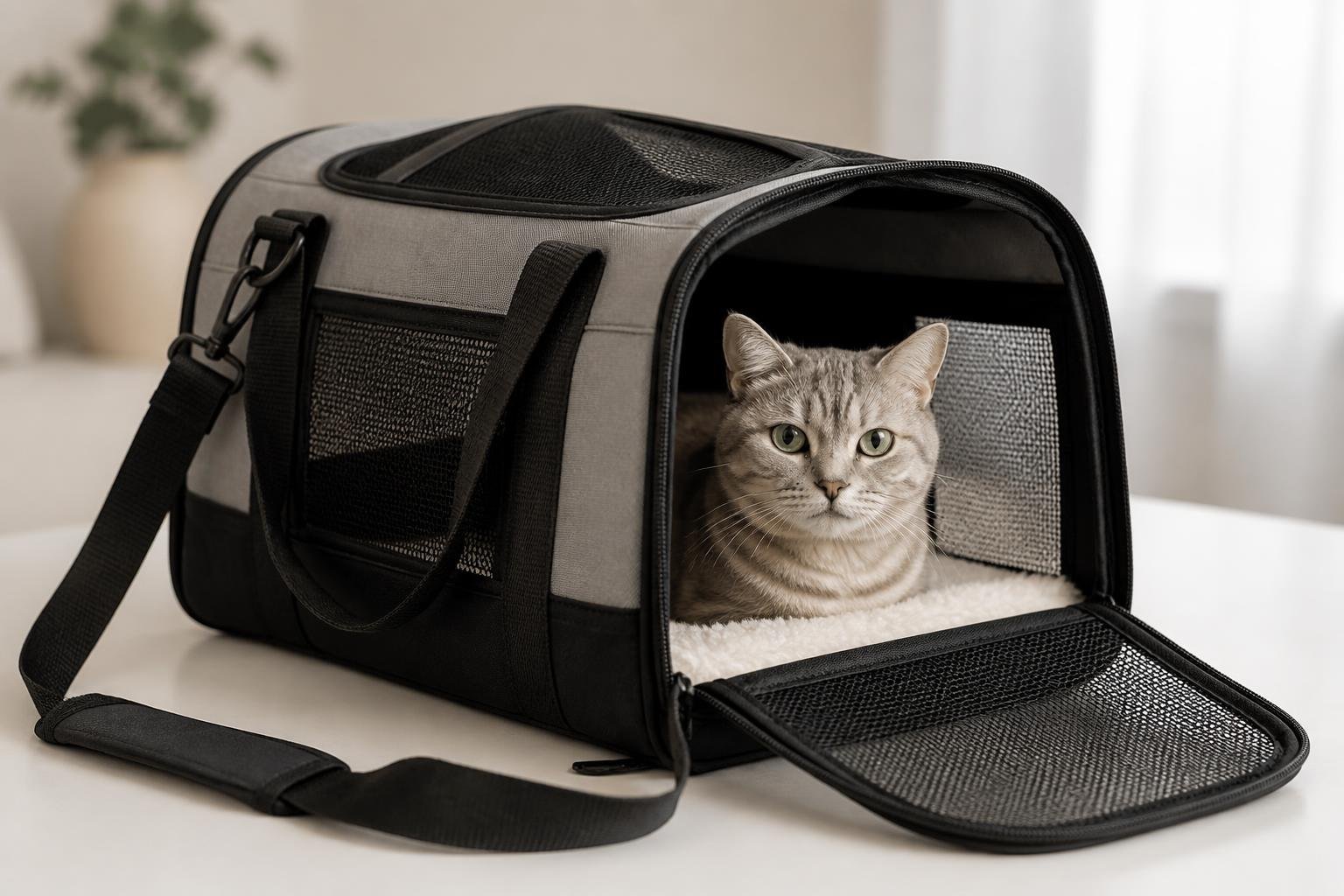
The best duffle bag carrier is not the one with the cutest shape, it is the one that fits your cat comfortably and still fits the travel space you need it to fit into.
That fit question matters most on flights, especially when you need a carrier to slide under the seat. Rover Ready focuses on that exact problem for pet parents who do not want to guess.
If you want more help comparing travel-ready carriers and airline sizing before a trip, you can check Rover Ready or contact the team at craig@roverreadyco.com or 803-630-1451.
Key Takeaways
- A duffle-style carrier works best when it balances softness with real structure.
- Your cat’s length and height matter more than the listed weight limit alone.
- Small details like mesh panels, secure zippers, and a washable pad make travel easier.
When a Duffle-Style Carrier Is the Right Choice
A duffle-style pet carrier works best when you need flexibility, lighter weight, and easier storage. It can be a good middle ground between a standard soft-sided carrier and a more fashion-driven bag that does not give your pet enough support.
Best Use Cases for Flights, Car Rides, and Everyday Errands
For flights, a duffle bag carrier can be useful because soft sides can compress slightly under an airline seat. That only helps if the bag still has enough interior space for your cat to stand up a bit, turn, and settle.
For car rides, this style is easy to lift and move. For errands, it feels less bulky than a hard kennel, especially when you are carrying your pet from the car to the vet or into a lobby.
How Duffle Designs Compare With Traditional Soft-Sided Carriers
Many duffle-style models are still soft-sided carriers, just with a more horizontal, weekender-bag shape. Some listings, including options at Chewy’s cat carrier bag category, highlight the same benefits people want from soft carriers, light weight, easy storage, and a cozy feel for many cats.
Compared with boxier pet carrier designs, duffle shapes can look less structured. That makes design quality more important.
Pets That Usually Fit This Style Best
This style usually fits small cats, average adult cats, kittens, and very small dogs best. If your cat is long-bodied, tall when sitting, or close to the top end of the size range, a duffle bag may feel cramped even if the weight limit looks fine.
I have seen many people focus on the listed pounds first. In real use, body shape tells you much more.
How to Check Fit Before You Buy
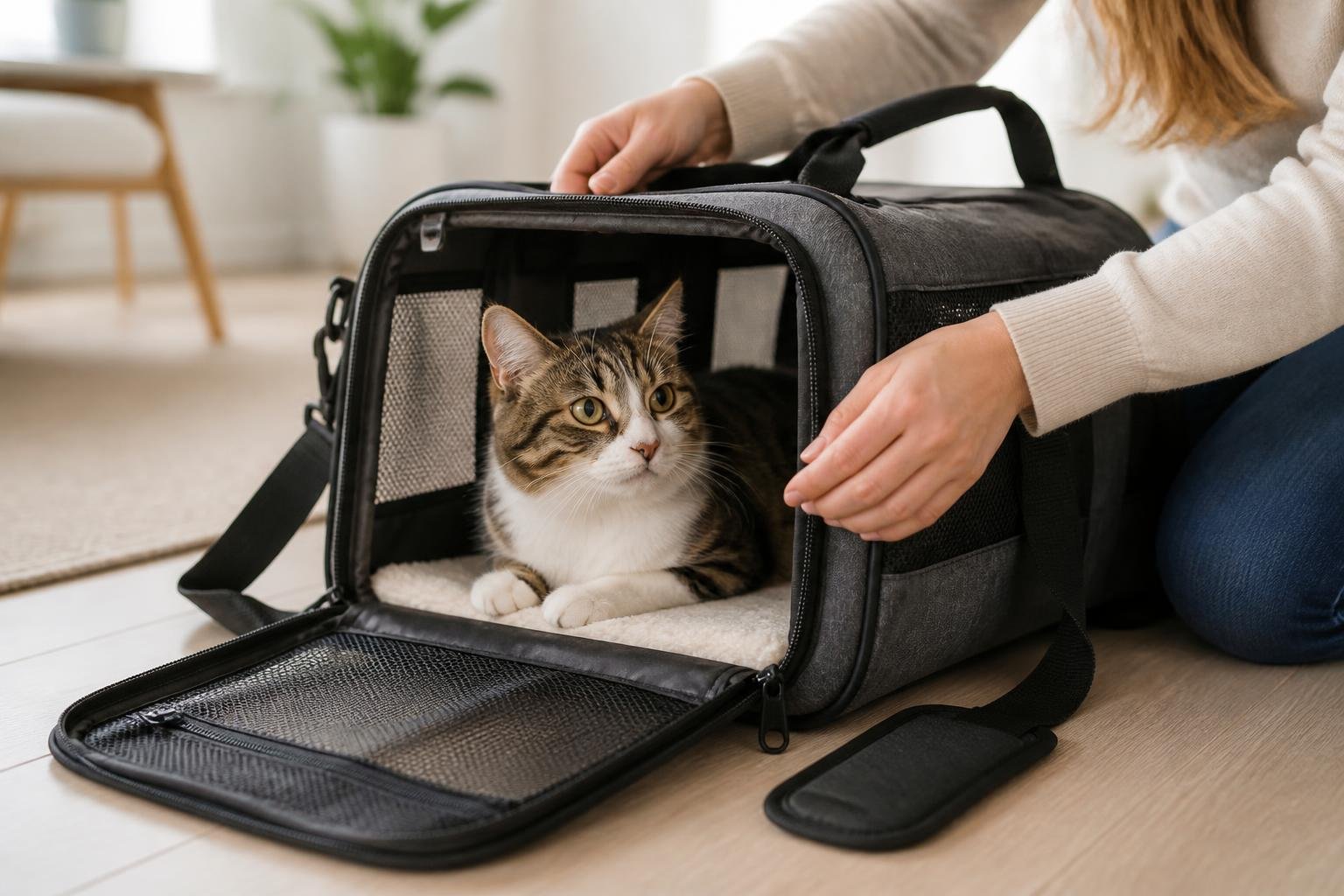
Fit is the part most people get wrong. You need to measure your pet carrier against your cat and against the travel space you expect to use, especially for cabin flights.
Measure Your Pet by Length and Height, Not Weight Alone
Measure your cat from chest to rear, then from floor to top of shoulder or top of head, depending on how the brand describes interior height. Add a little room so your cat can reposition comfortably.
A 15-pound cat can fit well in one bag and poorly in another. Weight limits only tell you what the handles and seams may support.
Compare Exterior Dimensions With Airline Under-Seat Limits
Always compare the bag’s exterior dimensions to airline under-seat limits. Soft bags may flex a little, though you should not plan on forcing a carrier into a space that is clearly too small.
If you want a general way to think about airline bag sizing, tools like Will My Bag Fit show how much airline rules can vary. That same idea applies to pet carriers.
A bag that works on one airline may be too tall on another.
What Rover Ready Recommends Checking in Airline Size Guides
Rover Ready recommends checking three things before you buy:
- Exterior carrier dimensions
- Your airline’s current in-cabin pet carrier limits
- Whether the bag keeps its base shape when loaded
This matters because product pages often use broad language like “airline approved.” Some retail listings, such as this soft-sided multi-entry pet carrier duffel at Macy’s, show useful design details, though the final fit decision still comes down to your airline and your pet.
Features That Improve Comfort and Safety
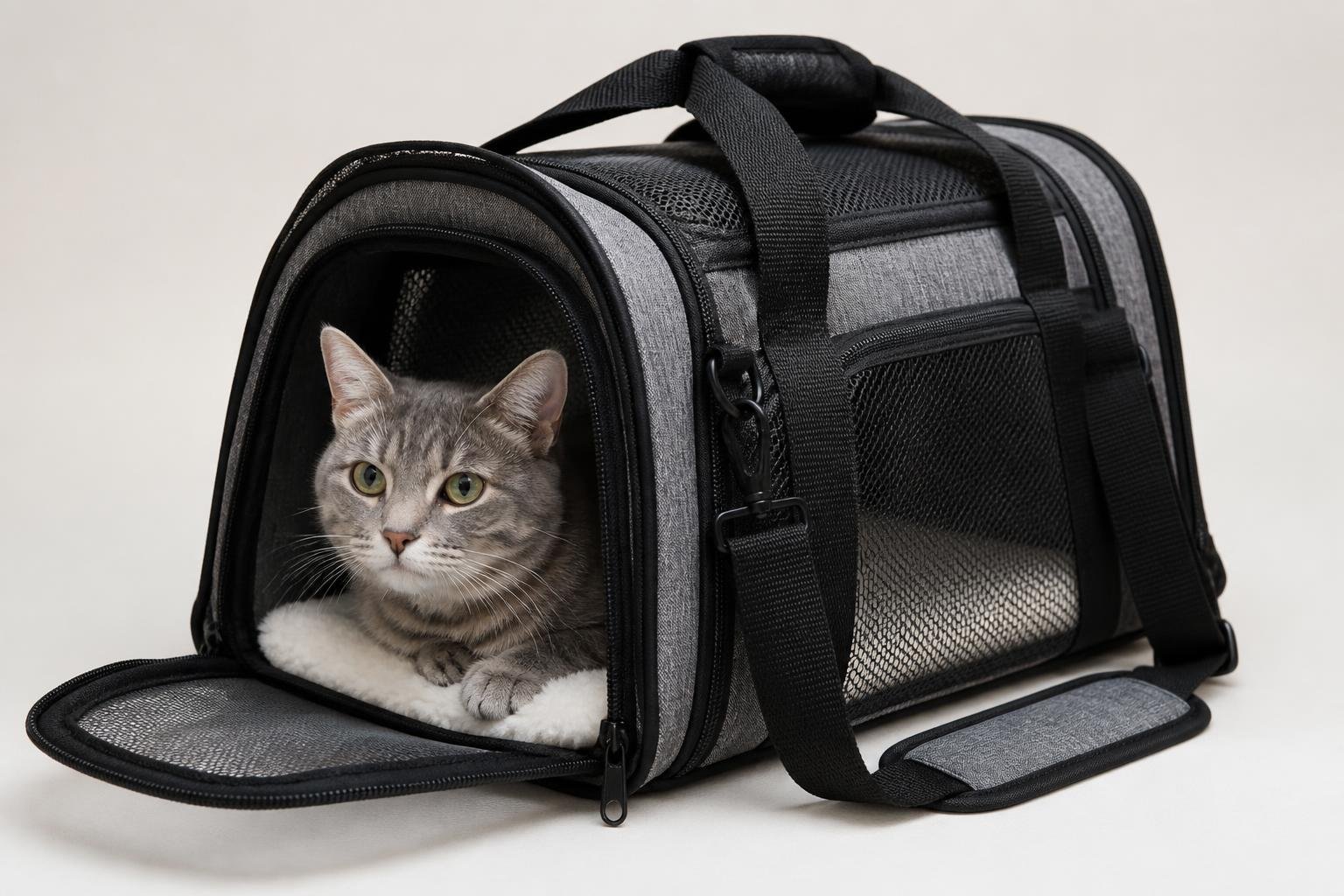
The best duffle bag pet carrier should help your cat breathe easily, stay secure, and feel less trapped. Small design details often make the biggest difference once you are actually moving through an airport or loading into a car.
Mesh Ventilation, Visibility, and Calm Travel
Mesh panels matter for airflow and for your cat’s comfort. Some cats relax when they can see out.
Others stay calmer with less visual input. A good balance is mesh on multiple sides with the option to partly cover one panel.
Products like the Pet Evac Pak duffle or backpack pet carrier describe four-sided mesh and privacy covers, which is a useful combination for pets that get overstimulated.
Structured Bases, Tethers, and Secure Closures
A structured base helps your cat feel stable. If the floor sags, many cats crouch harder and shift their weight, which makes the trip feel less secure.
Look for:
- A firm bottom insert
- An interior tether for harness use
- Locking or sturdy zipper closures
- Reinforced seams and handles
Useful Details Like a Side Pocket, Luggage Strap, and Washable Pad
A side pocket sounds minor until you need wipes, treats, or paperwork fast. A luggage strap can also help if you are pairing the carrier with rolling luggage.
A washable pad matters more than people expect. Accidents, shed fur, and motion-related mess are easier to manage when the liner removes quickly.
Common Buying Mistakes to Avoid
Most problems with a pet carrier duffle bag start before the trip. A few common mistakes lead to poor fit, poor support, or a stressful airport check-in.
Choosing a Bag That Folds Too Soft Under Pressure
Some duffle-style bags collapse so much that your cat ends up pressed by the sides when you lift it. That can happen with bags that look stylish in photos and empty on a table.
If the carrier cannot hold its shape with your cat inside, skip it. This is a bigger issue than color, pocket count, or trendier fabric.
Assuming Airline Approved Means Every Airline Will Accept It
“Airline approved” is not a universal rule. It usually means the product was designed with common in-cabin travel in mind.
Retail listings can still use broad claims. For example, some products such as this Kenneth Cole Reaction pet carrier duffle at Nordstrom Rack mention travel-friendly features and security hooks, though airline acceptance still depends on current airline limits and staff review.
Overlooking Entry Points, Storage, and Cleaning Needs
A top opening and a side opening give you more control. Cats that resist loading often do better with one entry style than the other.
Do not ignore:
- Number of entry points
- Whether the side pocket is usable while carrying
- Whether the pad comes out for cleaning
- Whether fur sticks badly to the material
Where to Shop and How to Compare Options
You can find duffle-style pet carrier options in major online stores, department stores, and pet retailers. The key is comparing dimensions, support, and practical details instead of buying from photos alone.
What to Look for in Online Listings and Local Stores
In online listings, look for exact dimensions, loaded weight limit, entry points, base inserts, and mesh placement. Marketplaces like Amazon’s cat duffle bag carrier results can show how many styles exist, which makes filtering essential.
In local stores, press on the base, test the zipper movement, and check whether the carrier twists when lifted by the strap.
How to Evaluate Materials, Reviews, and Return Policies
Look for fabric that resists sagging and zippers that do not catch. Reviews are most useful when buyers mention their pet’s size, airline, and whether the carrier kept its shape.
Return policies matter if the bag arrives softer, smaller, or flimsier than expected. If you are ordering close to a trip, check delivery windows and return deadlines first.
Questions to Ask Before Ordering for an Upcoming Trip
Ask these questions before you buy:
- What are the exact exterior dimensions?
- Does the base stay flat with a pet inside?
- Are there top and side entry points?
- Is the pad removable and washable?
- Is there a side pocket for travel items?
- What is the real deadline for returns or exchanges?
Travel Prep Tips for a Lower-Stress Trip
Travel usually goes better when your cat knows the carrier before departure day. Preparation also helps you avoid digging through your bag for essentials when your pet is already uneasy.
How to Help Your Pet Get Comfortable With the Bag Before Travel
Set the pet carrier out at home several days early. Leave the door open, add a familiar blanket, and place treats inside.
A short practice carry helps too. I have found that even two or three calm, low-stakes practice sessions can change how a cat reacts on travel day.
What to Pack for Cabin and Road Trip Use
Keep items simple and reachable. A side pocket is ideal for the small things you may need quickly.
Pack:
- Absorbent pad or spare liner
- Treats
- Waste bags
- Wipes
- Health records if needed
- A small collapsible bowl for road travel stops
How Rover Ready Supports More Confident Travel Planning
Rover Ready helps you narrow down travel-ready gear with a strong focus on fit, comfort, and airline confidence. If you are trying to compare under-seat sizing or need help thinking through a flight setup versus a road-trip setup, the brand’s airline size guidance and travel resources can help you make a more informed call before you buy.
Frequently Asked Questions
What size pet travel bag fits comfortably under an airplane seat for cabin travel?
Most cabin pet carriers need to stay within your airline’s under-seat dimensions, and those limits vary. You should compare the carrier’s exterior measurements to the airline’s current policy and make sure your cat still has enough room to settle naturally inside.
Which features matter most for keeping a cat calm and secure during transport?
Mesh ventilation, a stable base, secure zippers, and a tether for harness use matter most. A washable padded floor and at least one quiet, partially covered side can also help reduce stress.
How do I check whether a pet carrier meets airline and TSA requirements before flying?
Start with your airline’s pet policy, not just the product label. Check exterior dimensions, pet rules for in-cabin travel, required reservation steps, and whether your cat must stay fully inside the carrier during the flight.
How long can a cat safely stay in a carrier during travel, and what breaks are recommended?
For many cats, a few hours in a well-ventilated carrier is manageable when the trip is planned well. For longer travel days, use airline-safe timing for flights and plan regular check-ins and controlled breaks during road travel.
What is the best way to introduce a cat to a new travel bag to reduce stress?
Leave the bag open in a familiar room and let your cat explore it at their own pace. Add bedding that smells like home, reward calm behavior, and practice short carries before the real trip.
Which airlines typically allow cats to travel as carry-on, and what are the common restrictions?
Many major U.S. airlines allow cats as carry-on pets on eligible routes, though space is limited and fees usually apply.
Common restrictions include advance booking, under-seat carrier size limits, age and health rules, and a requirement that your cat remain inside the pet carrier for the full flight.


