

Bag, Dog Bag, Bag For Dog: How To Choose The Right One
Choosing a bag for your dog sounds simple until you realize how many wrong choices exist. There are cute totes, structured carriers, purse-style bags, and backpacks, and they are not interchangeable. The bag that looks great at brunch may completely fail you at airport check-in or on a three-hour road trip.
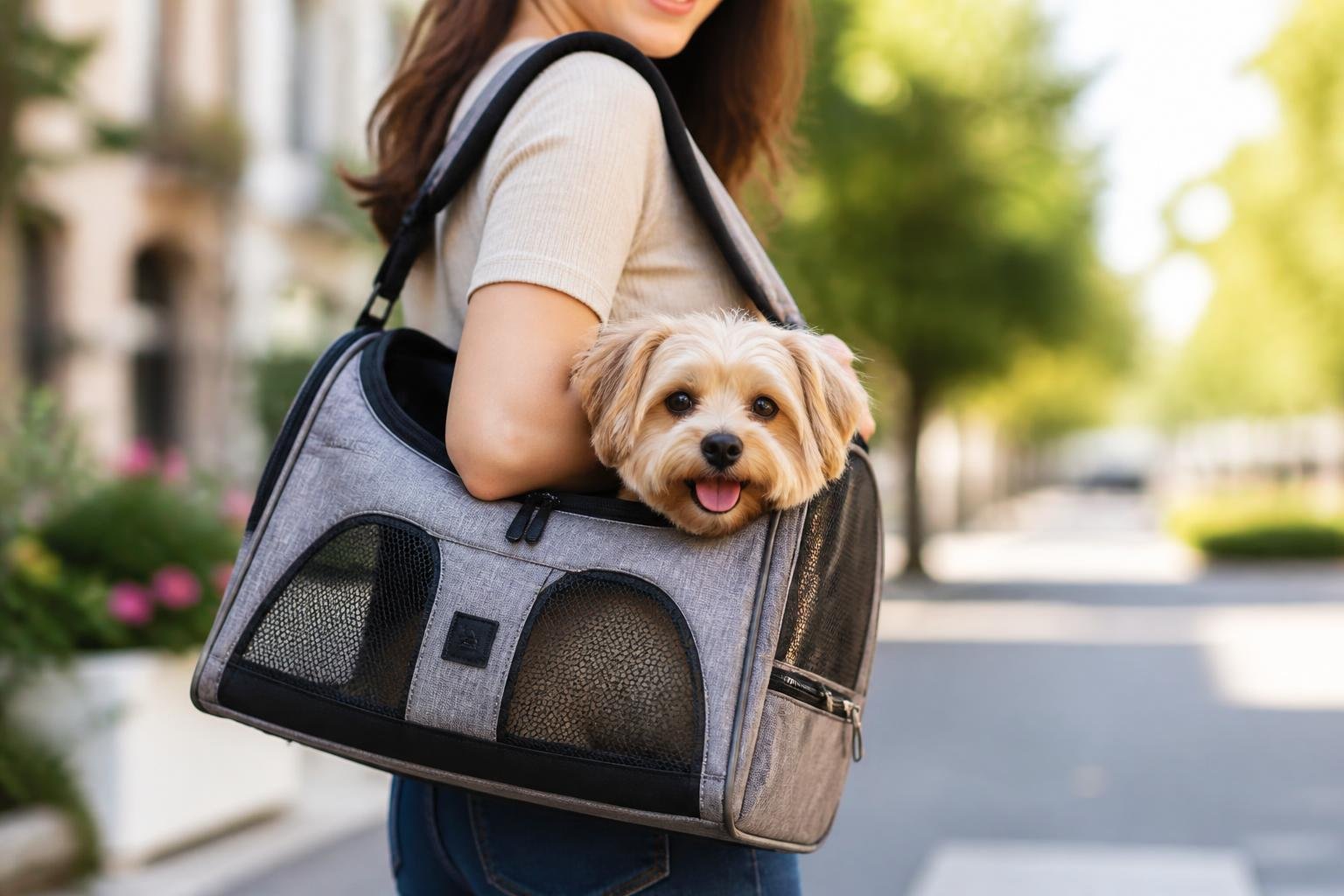
The right bag matches your dog's size, your trip type, and real safety requirements, not just your personal style. That distinction matters more than most buyers realize before they make a purchase they regret.
Rover Ready is built around exactly this kind of decision-making. The brand helps dog owners cut through the confusion around carriers, especially when airline travel is involved and the under-seat fit question starts to feel stressful. If you want guidance before you buy, roverreadyco.com is a practical place to start, and you can also reach the team directly at 803-630-1451.
Key Takeaways
- Match your bag choice to your dog's size and the specific trip type before anything else.
- A stylish dog carrier purse may not meet airline requirements or provide enough support for longer carry times.
- Safety features like ventilation, closures, and interior tethers are non-negotiable for any bag used during travel.
Choose The Right Type For Your Dog And Trip
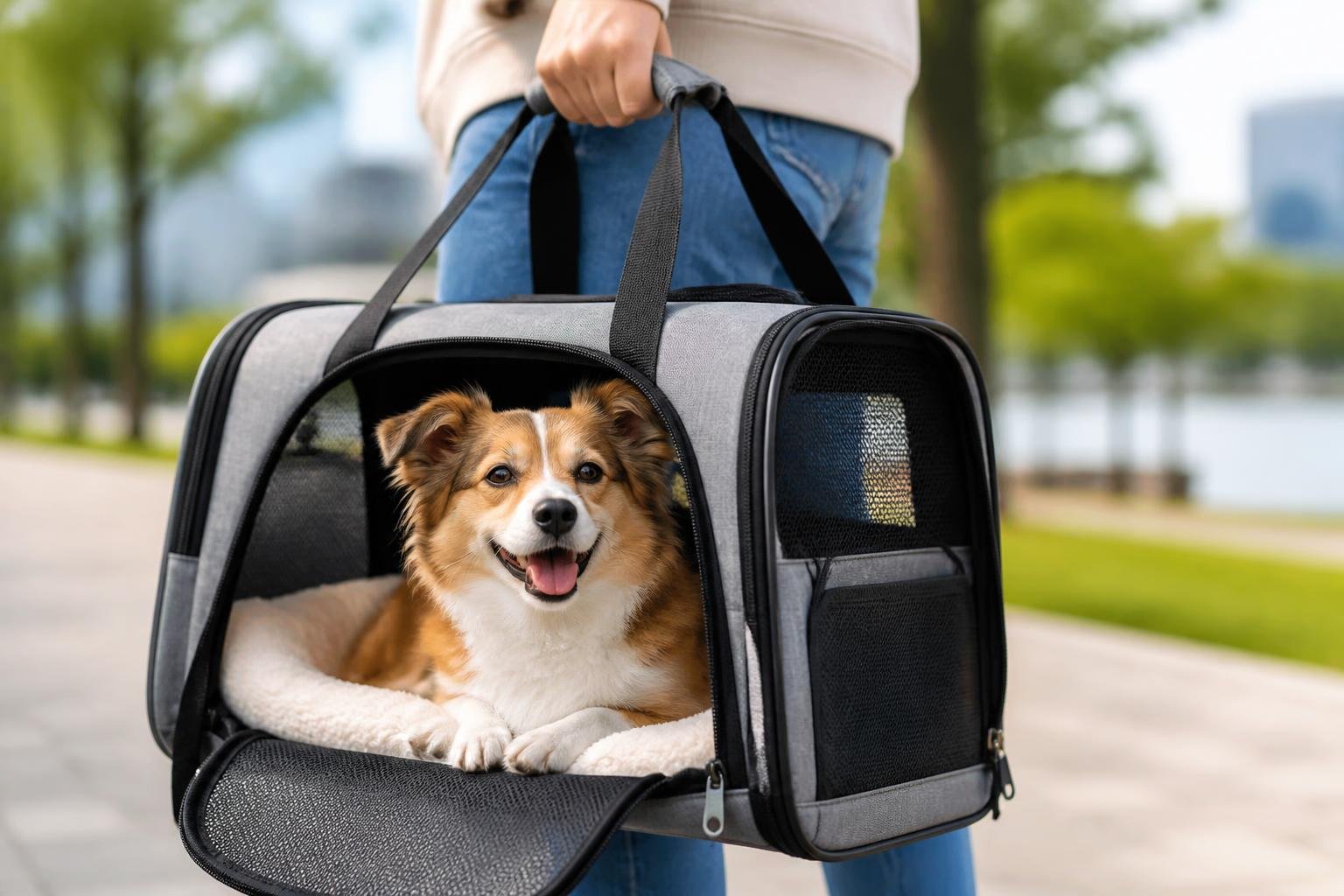
There is a real difference between a casual carry bag, a dog carrier purse, and a structured travel carrier. Knowing which category fits your needs prevents a costly mistake before your next outing or flight.
When A Standard Carry Bag Is Enough
A basic dog bag works fine for short, low-stakes outings where your dog is calm and the trip is brief. Think farmers markets, short car rides, or a quick errand where your dog rides in the bag for under an hour.
These bags usually lack the structural support, ventilation panels, and safety tethers that proper carriers include. They are fine for convenience, not for sustained transport.
When You Need A True Pet Carrier
If you are flying, driving longer distances, or carrying your dog for extended periods, you need a bag engineered for that purpose. A true pet carrier, according to Chewy's breakdown of carrier types, accounts for ventilation, security, and comfort in ways that casual bags simply do not.
Look for a rigid or semi-rigid base, secure zipper closures, mesh ventilation on at least two sides, and an interior safety tether clip. These are not luxury extras; they are functional minimums for safe transport.
Dog Carrier Purse Vs Tote Vs Structured Travel Carrier
A dog carrier purse is designed to look like a handbag while doubling as a carrier. Many are soft-sided and shoulder-worn, with mesh windows and internal clips. They work well for small dogs under 12 to 15 pounds on shorter trips.
A tote-style dog bag is more open and casual, usually without a secure top closure, making them less appropriate for travel or any situation where containment matters.
A structured travel carrier offers the most support, stability, and safety features. It is the right call for flights, road trips, and any outing where your dog's safety cannot be left to chance. As noted in a guide from iHeartDogs, waxed canvas and leather carriers with bag-to-harness tethers offer both durability and genuine safety for travel use.
Check Size, Weight, And Fit Before You Buy
Getting the size wrong is the most common and most avoidable mistake when buying a dog bag. Interior dimensions, your dog's actual measurements, and the carrier's weight limit all need to match before you commit to a purchase.
How To Measure Your Dog Correctly
Measure your dog's length from the base of the neck to the base of the tail. Then measure height from the floor to the top of the shoulder. Add two to three inches to each measurement to confirm the carrier's interior will allow your dog to stand, turn, and lie down comfortably.
Weight alone is not enough. A longer, leaner dog can exceed the interior space of a bag even if they fall under the listed weight limit. Always compare both.
Why Weight Limits And Interior Space Both Matter
Carriers list weight limits for structural and safety reasons. Exceeding them puts stress on handles, zippers, and the bag's frame. A carrier that sags or warps under your dog's weight becomes uncomfortable fast and can compromise the safety closures.
Interior dimensions are just as critical. As Chewy's carrier bag guide points out, a carrier that is too small or too large creates discomfort and makes it harder for you to manage the bag safely.
What Small Dog Owners Often Overlook
Small dog owners tend to underestimate how much interior space their dog actually needs. A five-pound dog still needs room to shift positions, especially on trips longer than thirty minutes.
They also overlook the carrier's packed size. A bag stuffed with bedding or accessories may leave your dog cramped even when the listed interior dimensions seem adequate. Check the usable interior space, not just the outer bag dimensions, before purchasing.
Look For Safety And Comfort Features That Matter
Safety and comfort features are where well-made carriers separate themselves from bags that just look the part. The details in ventilation, closure design, and carrying ergonomics directly affect how your dog feels and how safe they are during transport.
Ventilation, Visibility, And Temperature Control
Mesh panels on at least two sides allow airflow and prevent heat buildup. This matters even on short trips in warm weather. A single mesh window on the front is not sufficient for anything beyond a quick errand.
Visibility is also important for your dog's comfort. Dogs that can see their surroundings tend to stay calmer than those enclosed in opaque fabric. Mesh panels also let you check on your dog without opening the bag.
Safety Tethers, Closures, And Stable Base Design
An interior safety tether clips to your dog's harness and prevents them from jumping or falling out if a zipper opens unexpectedly. This is a non-negotiable feature for any bag used during actual transport.
Zipper quality matters. Double zippers with locking pulls are more secure than single-pull designs. A stable, flat base keeps the bag from tipping and gives your dog a level surface to stand or rest on. Look for a reinforced or board-stiffened floor, especially in soft-sided carriers.
Padding, Strap Comfort, And Carrying Ergonomics
Padded shoulder straps reduce fatigue on longer carries. For tote-style bags, wide padded handles distribute weight better than thin straps. If you are carrying a dog over ten pounds, shoulder or cross-body distribution makes a real difference over time.
Interior padding and a washable liner keep your dog comfortable and make cleanup easier. A removable, machine-washable mat is a practical feature that many carriers include, as noted in this review from Reader's Digest.
Match The Bag To Everyday Use, Car Travel, Or Flying
The best bag for a quick coffee run looks very different from the best bag for a cross-country flight. Matching your carrier to the specific use case saves you from buying something that works in one scenario and fails in another.
Best Traits For Daily Errands And Short Outings
For everyday use, prioritize lightweight construction, easy open-and-close access, and a comfortable carrying style. A dog carrier purse or well-made tote with a shoulder strap works well when trips are brief and your dog is relaxed.
Pockets for treats, waste bags, and a small leash are useful practical extras. You do not need airline compliance features for a trip to the hardware store, but a safety tether is still worth having.
What To Prioritize For Road Trips
Road trips call for a carrier that is stable in a car seat or on the floor, has strong ventilation, and is easy to load and unload. A semi-rigid carrier with a seatbelt loop or luggage sleeve keeps the bag secure during sudden stops.
According to The Doggo Life's travel gear guide, organization features like exterior pockets for food, collapsible bowls, and waste bags make longer drives significantly easier. Comfort padding becomes more important the longer your dog is in the bag.
What Makes A Carrier Better For Airline Travel
For flights, the carrier must meet your specific airline's under-seat dimensions. Most carriers require soft-sided bags with maximum dimensions around 18 by 11 by 11 inches, though this varies by airline. Confirm the exact requirements before you buy.
The bag must collapse slightly to fit under the seat without hardening into a rigid shape that blocks airflow. Ventilation on multiple sides is required by most airlines. Structured bags that look sleek at a glance often fail this test in practice.
Balance Style, Storage, And Cleanability
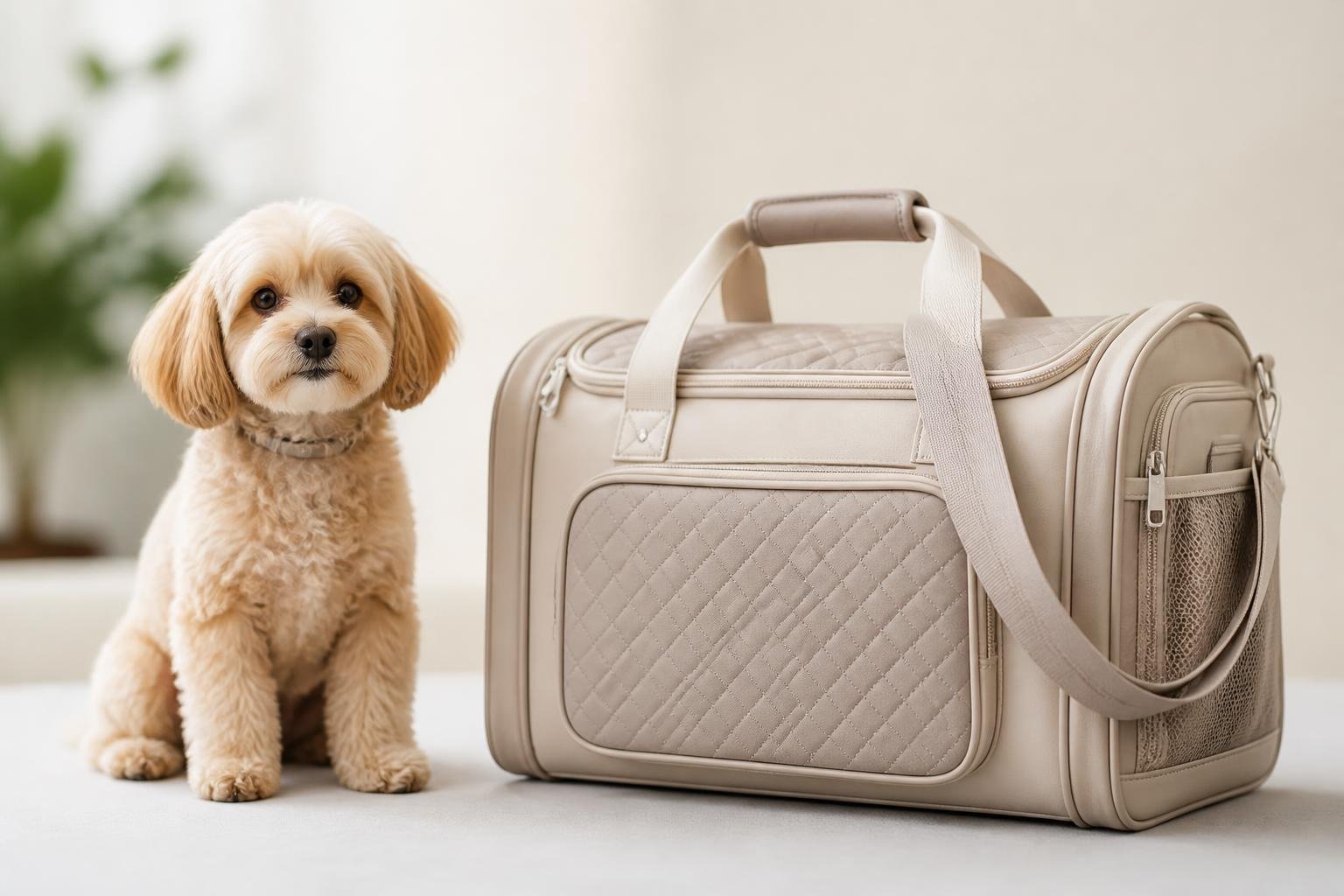
Style, storage, and easy cleaning are not trivial concerns. They affect how often you actually use the bag and how long it lasts. The best carriers balance all three without sacrificing function.
Fashion Materials Vs Travel Durability
Fashion carriers made from faux leather or delicate fabric look polished but tend to scuff, crack, or degrade quickly under real travel conditions. Waxed canvas, ripstop nylon, and durable polyester hold up far better and are easier to wipe down after a trip.
If style matters to you, look for bags that use quality materials in a refined design rather than prioritizing appearance over construction. Some designer-style dog carriers manage both well, but they require closer inspection of seams, zippers, and base support.
Pockets And Organization For Dog Essentials
Exterior pockets for waste bags, treats, a leash, and a collapsible bowl make a meaningful difference in everyday use. Side mesh pockets add ventilation and light storage without adding bulk.
As highlighted in The Spruce Pets' carrier review, a large zippered side pocket that holds a leash, wipes, a collapsible bowl, and a few treats is one of the most consistently praised features in well-rated carriers. Good organization keeps your hands free and your dog's essentials accessible.
Easy-Clean Interiors And Washable Components
Dogs have accidents, track in dirt, and shed constantly. A carrier with a removable, machine-washable liner is far more practical than one that requires hand-cleaning only or dry-cleaning.
Look for interiors lined with wipeable fabric or water-resistant material. Mesh panels should be easy to rinse. Avoid carriers with elaborate stitched fabric interiors that trap fur and absorb odors over time.
Use Rover Ready Guidance To Shop With More Confidence
Rover Ready exists to solve a specific and frustrating problem: buying a carrier that looks great online but fails in the real world, especially at the airport gate. The guidance available through Rover Ready focuses on practical fit, airline rules, and pairing the right gear for the right trip.
How Rover Ready Helps Reduce Airline Fit Guesswork
One of the biggest pain points for dog owners flying with pets is not knowing whether their carrier will actually fit under the seat. Rover Ready addresses this directly by helping buyers understand what dimensions to look for and what airline-approved really means in practice.
Rather than leaving you to guess, Rover Ready's curated selection focuses on airline-approved dog carriers that are built with under-seat compliance in mind, not just marketed that way. The difference between those two things can determine whether your dog flies in-cabin or gets turned away at check-in.
When To Use An Airline Size Guide Before Ordering
Before ordering any carrier intended for flight, check a reliable airline size comparison resource. Airlines do not use a universal standard, and dimensions vary enough that a carrier approved for one carrier may not work on another.
Rover Ready's Airline Size Guide helps you compare common cabin requirements before committing to a purchase. Using it before you order, rather than after, is the move that prevents returns, last-minute scrambles, and airport stress.
Travel Gear Pairings That Make Trips Easier
A carrier is rarely the only piece of gear you need for a trip. Collapsible bowls, portable water bottles, clip-on waste bag holders, and a lightweight carrier trolley for airports all contribute to a smoother experience.
Rover Ready covers car travel and safety gear alongside carrier options, which means you can think through the full trip rather than shopping in pieces. Pairing a well-fitted carrier with a few smart accessories is often what separates a stressful travel day from a manageable one.
Frequently Asked Questions
What size carrier should I choose for a medium-sized dog?
Measure your dog's length from neck base to tail base, then their standing height at the shoulder, and add two to three inches to each for usable interior space. Medium dogs often exceed the size and weight limits of soft-sided tote carriers, so a structured carrier or rolling bag may be more appropriate. Always check interior dimensions rather than relying on size labels like "medium" since they vary by brand.
Which carrier styles are safest and most comfortable for large dogs?
Large dogs generally do not fit safely in soft-sided purse or tote carriers, which are designed for dogs under 15 pounds. For larger breeds, a hard-sided or reinforced soft-sided carrier with a rigid base, secure latches, and a seatbelt slot provides the most stability and safety. Backpack-style carriers designed for larger dogs, like those reviewed on K9 Sport Sack's sizing page, are worth considering for hands-free transport up to certain weights.
What features should I look for in an airline-approved pet carrier?
An airline-approved carrier needs to meet your specific airline's under-seat dimension requirements, stay soft-sided so it can compress slightly, and provide ventilation on multiple sides. An interior safety tether, secure zipper closures, and a leak-proof or wipeable bottom are also standard expectations. Verify the exact size requirements with your airline directly before purchasing.
How do I measure my dog to ensure the carrier fits properly?
Measure your dog's body length from the base of the neck to the base of the tail, and height from the floor to the top of the shoulder while standing. Add two to three inches to both measurements and compare against the carrier's stated interior dimensions, not the exterior. Weight limits should also match, but interior space is the more reliable fit indicator.
What are the best options for hands-free dog carriers like backpacks or slings?
Backpack-style carriers and front-chest slings are popular hands-free options for small to medium dogs. Backpack carriers with padded straps and ventilated mesh panels, as tested in Betterpet's backpack carrier roundup, work well for hikes and longer outings. Sling carriers work for very small dogs on short trips but generally lack the structural support needed for extended carry times.
What should a travel bag for dog supplies include for trips and flights?
A well-stocked travel bag for dog supplies should include food portioned for the trip length, a collapsible water bowl, waste bags, a leash, any medications, and a familiar blanket or toy for comfort. For flights, adding a copy of your dog's health certificate and vaccination records is essential. According to Dogster's dog travel bag guide, organized bags with dedicated compartments for food, gear, and documents make trips noticeably less stressful.


