

Air Flights For Dogs: Booking Tips And Best Practices
Flying with your dog takes more planning than most trips. The rules vary by airline, the stakes are higher when an animal is involved, and small missteps at check-in can turn into big problems. Whether you're booking your first pet-friendly flight or trying to avoid the stress you dealt with last time, the quality of your preparation before you ever reach the airport determines most of how the day goes.
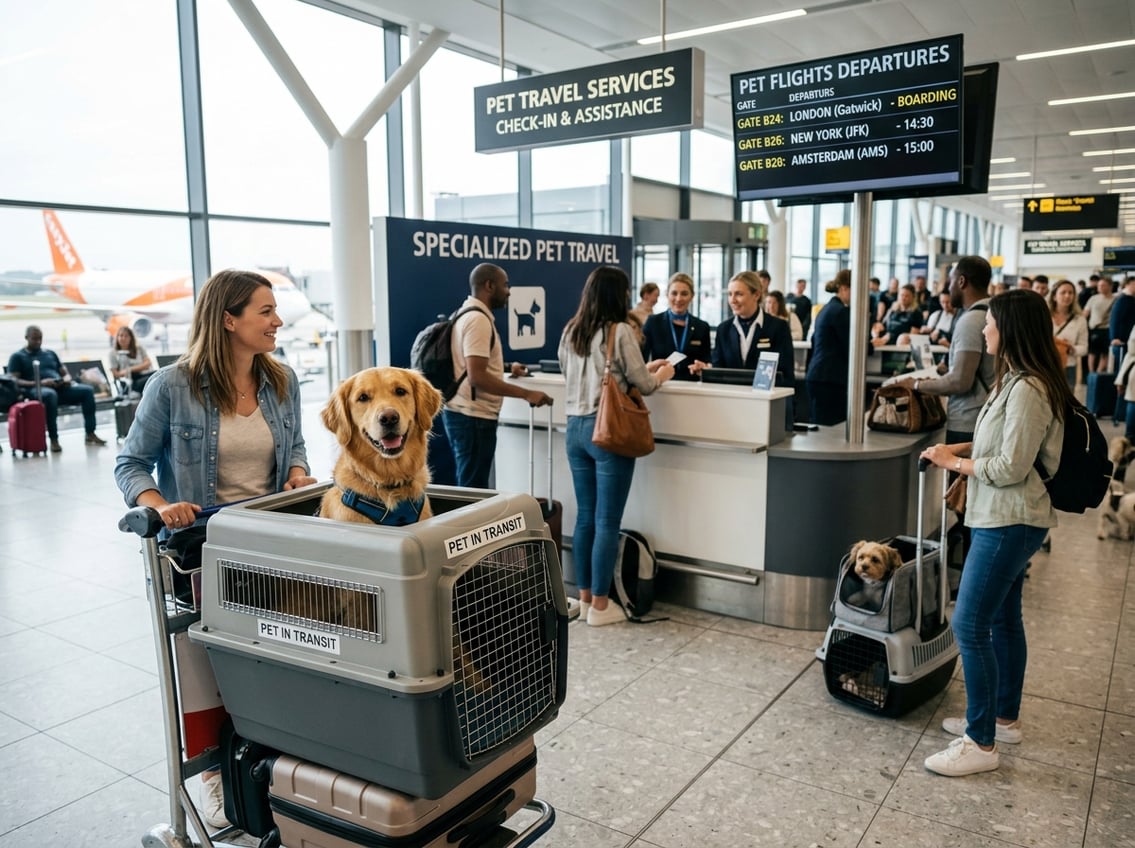
This guide focuses on the decisions that actually matter: which flight option fits your dog's size and temperament, which airline policies you need to read before booking, and how to choose a carrier that won't create problems at the gate. It's built around the booking choices, carrier checks, and real-world preparation that trip reports and airline policies rarely explain clearly enough.
Rover Ready is built for exactly this kind of planning. The brand helps dog owners stop guessing about under-seat fit and carrier sizing, and its tools like the Airline Size Guide and Airline Compliance Guide give you something concrete to work with before you spend money on a carrier or a ticket. If you're trying to sort out your options, roverreadyco.com is a practical starting point, and you can also reach the team directly at 803-630-1451.
How To Choose The Right Flight Option For Your Dog
Your dog's size, breed, and health profile will narrow your options quickly. The choice between in-cabin travel, cargo, and specialty services like K9 Jets comes down to weight limits, route length, and how well your dog handles confinement and noise.
When In-Cabin Travel Makes Sense
In-cabin travel is the safest and lowest-stress option for most small dogs. According to the American Kennel Club, most airlines allow small dogs to fly in an approved carrier stored under the seat in front of you. Your dog stays within sight the entire flight, which reduces both your anxiety and theirs.
The typical in-cabin weight limit, including the carrier, runs between 15 and 20 pounds depending on the airline. If your dog fits comfortably in a soft-sided carrier and can remain calm and quiet for the duration of the flight, in-cabin is almost always the right call.
Cabin spots are limited. Most airlines cap the number of pets allowed per flight, so you need to call and reserve your dog's spot at the time of booking, not as an afterthought.
When Cargo May Be The Only Option
Larger dogs that exceed in-cabin weight limits will need to travel as checked baggage or manifest cargo. This is a more stressful experience for your dog. They travel in a pressurized and temperature-controlled hold, but they are separated from you for the entire flight.
If cargo is your only option, book a direct flight whenever possible to reduce handling time and layover risks. As noted by the AKC, you should avoid cargo during extreme temperatures since many airlines restrict or refuse cargo pets when it's too hot or too cold.
A USDA-compliant hard-sided crate and a current health certificate are typically required for cargo travel.
When Specialty Dog Airlines Or Shared Charters Are Worth Considering
A small number of services have emerged to fill the gap between standard commercial flights and cargo-only options. Services like K9 Jets and similar dog-first charter options allow larger dogs to fly in the cabin alongside their owners, which commercial airlines simply do not permit.
Newer carriers like RetrievAir and Bark Air have also entered this space, offering in-cabin pet flights without cargo programs. These come at a premium price but may be worth it if you have a medium or large dog and cargo travel is not something you're comfortable with. Evaluate the cost against the alternatives before dismissing them outright.
What To Check Before You Book
Booking a flight for yourself and then figuring out the pet details is one of the most common and avoidable mistakes. Airline pet policies, route considerations, and documentation requirements all need to be confirmed before you finalize anything.
Airline Pet Policy Limits And Cabin Availability
Every major U.S. airline sets its own pet rules, and those rules can differ significantly even on the same route. Carrier size limits, per-flight pet caps, breed restrictions, and fees all vary. Delta, Alaska Airlines, and JetBlue are frequently cited as among the more dog-friendly options for small breeds, but you need to verify current policies directly with the airline before booking.
One important shift: as of 2021, emotional support animals no longer qualify for special cabin access on commercial flights. They are treated as pets under current rules, which means they must fit in an approved carrier and meet the same size restrictions as any other dog.
Call the airline when you book, confirm that a pet spot is available on your specific flight, and get the carrier dimension requirements in writing.
Route Type, Layovers, And Seasonal Temperature Risks
Direct flights are almost always better when traveling with a dog. Layovers increase the chance of missed connections, handling errors, and extended time in an uncomfortable environment. If a direct flight is not available, choose the shortest and fewest layovers you can find.
Timing matters for seasonal travel as well. The AKC recommends early morning or evening flights in summer to avoid peak heat, and midday flights in winter to avoid extreme cold. This is especially critical if there's any chance your dog ends up in cargo at any point in the journey.
International routes add additional layers of complexity, including country-specific quarantine rules and entry documentation.
Health, Documentation, And Destination Entry Rules
Before your trip, schedule a vet visit to confirm your dog is healthy enough to fly. A signed health certificate is required for many routes, and it typically needs to be issued within 10 days of the flight.
For international travel and for dogs entering the U.S., the requirements are more detailed. Under CDC guidelines that took effect in August 2024, dogs entering the U.S. must be at least 6 months old, microchipped to ISO standards, and vaccinated against rabies. A CDC Dog Import Form must be submitted online in advance. Dogs from certain countries face additional requirements or potential quarantine on arrival.
Check the entry rules for your destination early. Waiting until the week before your trip can leave you without enough time to meet the requirements.
Picking A Carrier That Helps You Avoid Check-In Problems
Carrier selection is where a lot of trips go wrong. Many pet owners buy a carrier based on brand claims alone, then discover at the gate that it does not fit the under-seat space on their specific aircraft. Getting this right before you travel saves significant stress.
Why Under-Seat Fit Matters More Than Marketing Claims
A carrier labeled "airline approved" does not guarantee it will fit under the seat on your specific flight. That phrase is marketing shorthand, not a universal standard. Airlines publish their own maximum carrier dimensions, and those dimensions can differ by airline and even by aircraft type within the same airline.
The under-seat space on a regional jet is meaningfully smaller than on a wide-body aircraft. If your carrier is right at the size limit for a large plane, it may not fit at all on a smaller one. Measure your carrier against the specific airline's published dimensions for your route, not just the general guideline.
How To Compare Airline Size Rules Before Purchase
This is where doing the research before you buy matters most. Rover Ready's Airline Size Guide gives you a side-by-side look at common carrier dimension requirements across major U.S. airlines so you can compare before committing to a purchase. It removes the guesswork that leads to check-in problems.
According to a comprehensive airline dog policy guide, carrier size requirements typically run around 18 x 11 x 11 inches, but you should always verify the exact measurements with your specific airline for your specific route and aircraft.
Buy your carrier after you've confirmed the size rules for your flight. Not before.
Comfort And Safety Features That Matter In The Cabin
Beyond fit, the right carrier keeps your dog comfortable and calm during the flight. Look for mesh ventilation panels on multiple sides, a waterproof bottom liner, and interior dimensions that allow your dog to sit, stand, lie down, and turn around without restriction.
The AKC notes that your dog must be able to perform all of those movements inside the carrier per most airline requirements. A carrier that is too small fails both the comfort test and the compliance check.
Padded shoulder straps, a flat top for stacking in security lines, and a top-entry opening for easy access at TSA are practical features worth prioritizing. Soft-sided carriers also tend to compress slightly, which can make fitting under the seat easier than a rigid bag.
How Rover Ready Helps You Book With More Confidence
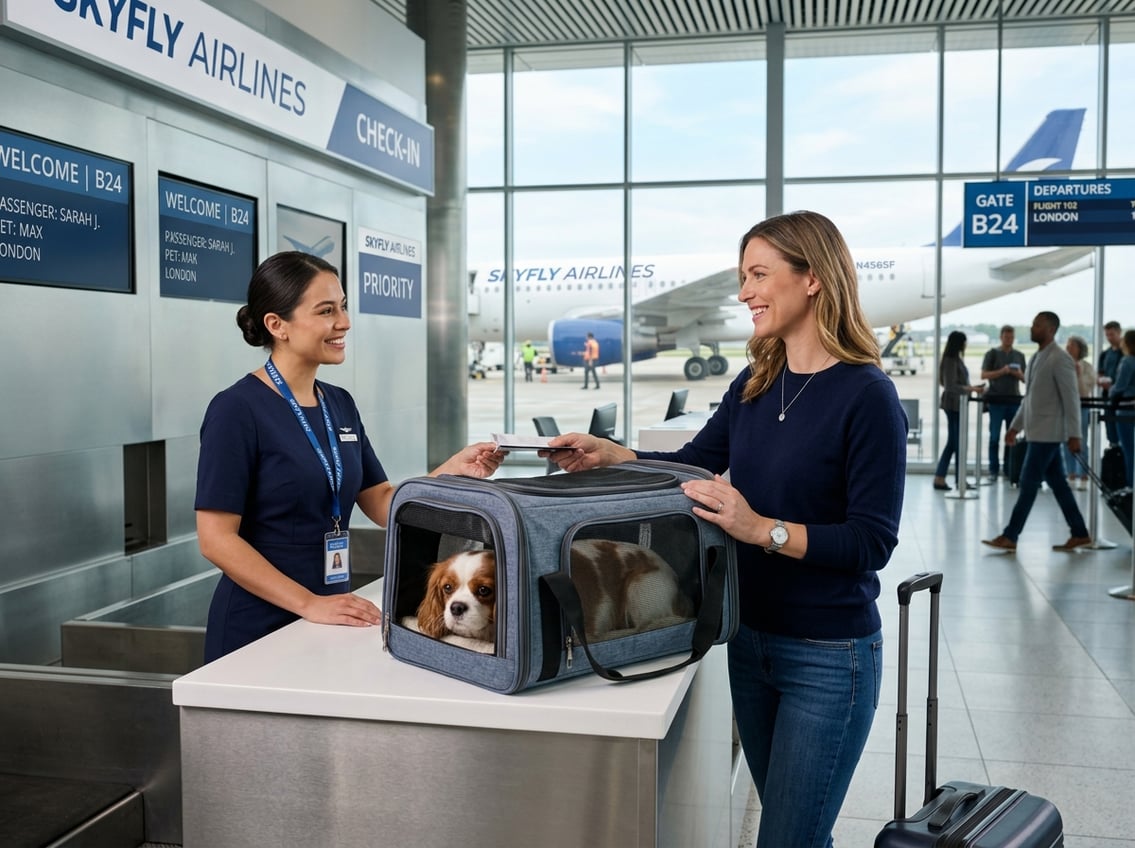
Most of the stress that comes with flying your dog traces back to uncertainty: will the carrier fit, does it meet this airline's rules, is the gear actually ready for travel? Rover Ready is built to answer those questions before your trip, not during it.
Using The Airline Size Guide Before Buying A Carrier
Rover Ready's Airline Size Guide is one of the most practical tools available for pet parents in the planning stage. It lets you compare common cabin carrier dimension requirements across major U.S. airlines in one place, so you can match a carrier to your actual flight before you spend money on something that won't work.
This matters because most shoppers buy a carrier and then try to figure out if it fits the airline. Reversing that process, starting with the airline's published dimensions and then finding a carrier that meets them, dramatically reduces the chance of a problem at check-in.
Using The Airline Compliance Guide To Narrow Your Options
Rover Ready's Airline Compliance Guide goes a step further by helping you filter carriers based on airline-specific rules. Rather than reading through each airline's pet policy page separately and trying to track the details, you can use the guide to narrow your options to carriers that align with your airline's requirements.
This is especially useful if you fly frequently, use multiple airlines, or are comparing routes where the pet policies differ. It removes a layer of research that most travelers find confusing and time-consuming.
Travel Gear For Smoother Airport And Road Trip Transitions
Rover Ready also covers gear beyond the carrier itself, including carrier trolleys, rolling and foldable transport solutions, and travel essentials that support both air travel and road trips. If you're combining a flight with a drive or need a way to move your carrier through a large airport without carrying it the whole time, these options are worth looking into.
The goal is a more complete travel setup, not just a single product purchase. A carrier that fits under the seat is the foundation. The gear around it determines how smooth the rest of the trip feels.
Preparing Your Dog For Travel Day
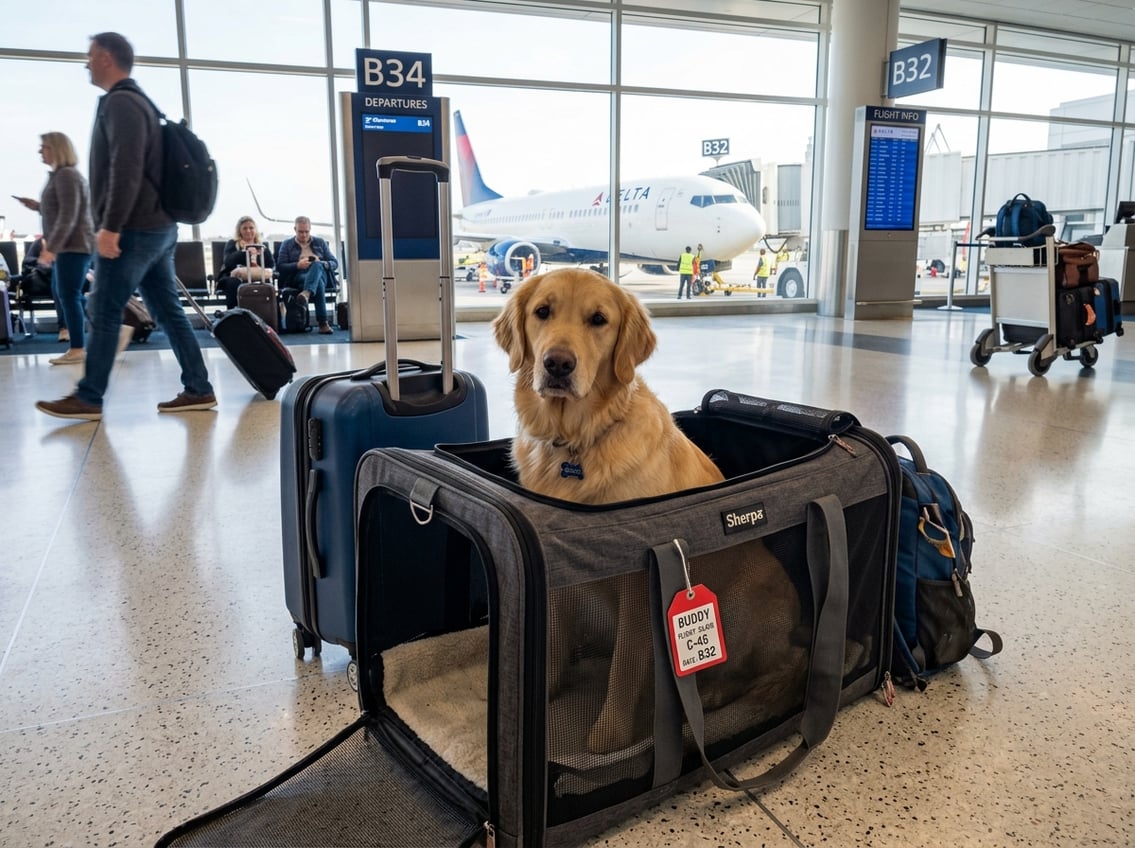
Travel day goes better when your dog has been prepared and your logistics are locked in ahead of time. The carriers, documents, feeding schedule, and airport timing all need to be sorted before you leave for the airport.
Carrier Training And Pre-Flight Comfort Habits
Introduce the carrier weeks before your flight, not the night before. Leave it open in your home with familiar bedding inside so your dog can explore it on their own terms. Feed meals near or inside it to build a positive association.
The AKC recommends exposing your dog to loud, crowded places like bus stations or busy pet-friendly stores before flying. This helps desensitize them to the sights and sounds they will encounter at the airport. Short car trips with the carrier buckled in can also help your dog associate the carrier with calm, routine movement.
Practice having your dog rest quietly in the zipped carrier for increasing lengths of time. The goal is a dog that is settled, not stressed, when the carrier closes.
Feeding, Hydration, Potty Timing, And Medications
Avoid feeding your dog a large meal within two to four hours of the flight. A dog with a full stomach is more prone to motion sickness and discomfort in a confined carrier. A light meal a few hours before departure is a reasonable approach for most dogs.
Keep water accessible before you leave for the airport and use a portable water bowl or carrier with an attached water dispenser during travel. Hydration matters, especially on longer trips where cabin air is dry.
Time your dog's final bathroom break as close to the security checkpoint as possible. Most airports have pet relief stations both before and after security. Locate them in advance using airport maps. If your dog takes prescription medications, pack more than you need and keep them in your carry-on.
Airport Check-In, Security, And Boarding Tips
Plan to arrive at least two hours early for domestic flights and three hours for international ones. You cannot use a kiosk or mobile check-in when traveling with a pet; you must go to the full-service counter. Budget extra time for this.
At TSA, your dog will need to come out of the carrier. Hold your dog securely while the carrier goes through the X-ray machine separately. Have your dog on a leash or harness before you reach the checkpoint so you are not scrambling at the conveyor belt.
Board during the first boarding group if possible. Getting to your seat early gives you time to settle the carrier under the seat before the cabin fills. Once the carrier is stowed, your dog must stay inside for the duration of the flight.
Best Practices For A Safer, Lower-Stress Trip
Getting your dog to the destination safely is the goal, and most of what makes a trip go smoothly comes down to preparation, realistic expectations, and a few simple in-flight habits.
How To Reduce Anxiety In The Air And On The Ground
A familiar-smelling item in the carrier, like a worn t-shirt or your dog's usual blanket, can reduce anxiety during the flight. It gives your dog something recognizable in an unfamiliar environment.
Chewing helps dogs self-regulate during stressful moments. The AKC suggests giving your dog a chew during takeoff and landing to help them manage the pressure changes and noise. A long-lasting chew that fits safely inside the carrier is worth packing.
Avoid tranquilizers unless your vet has specifically prescribed them for air travel. Sedation can affect breathing and balance, and most vets and airlines do not recommend it as a routine solution.
Mistakes That Commonly Cause Delays Or Denied Boarding
The most common check-in problems are preventable. These include:
- Arriving with a carrier that does not meet the airline's published size requirements
- Forgetting to reserve a pet spot on the flight when booking the ticket
- Missing or outdated health documentation for the route or destination
- Skipping the mandatory counter check-in and arriving only with a mobile boarding pass
- Bringing a carrier that exceeds the weight limit when the dog and bag are combined
Each of these has a simple fix: read the airline's pet policy carefully for your specific flight, confirm every detail by phone, and double-check your carrier measurements against the published limits before you pack.
How To Decide If Flying Is The Right Choice At All
Not every dog is a good candidate for air travel. As veterinary experts at the AKC note, dogs with respiratory issues, heart conditions, extreme anxiety, or brachycephalic (flat-faced) breeds face higher risks in the air. Many airlines restrict or ban certain breeds from flying entirely, particularly in cargo.
If your dog shows signs of serious distress during car rides or routine vet visits, a flight may amplify that stress rather than resolve it. In those cases, a road trip, a trusted pet sitter, or a stay at a quality boarding facility may be a kinder choice than pushing through an air journey.
Talk to your vet honestly about your dog's health and temperament before booking. The right choice is the one that prioritizes your dog's safety and wellbeing, even if that means changing your travel plans.


