

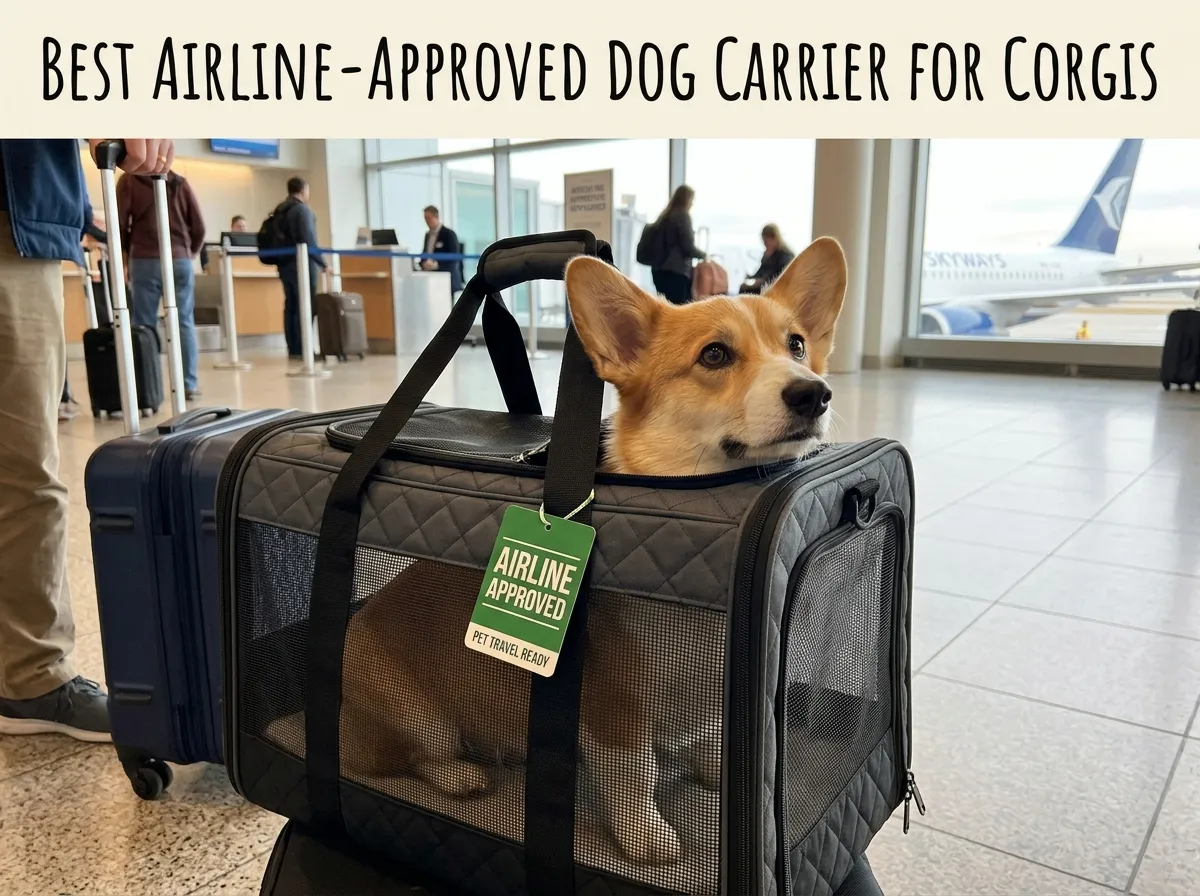
By Craig Roberts, Rover Ready Co
Traveling with a dog requires advance planning, particularly when selecting a carrier that meets airline standards. Airline-approved carriers support pet safety and comfort during flight. This guide explains how to select the right carrier, measure your dog accurately, and comply with airline regulations. It also addresses common logistical challenges and offers practical steps for preparation, measurement, and compliance.
Key Takeaways
- Airline-approved dog carriers ensure pet safety, comfort, and compliance with airline regulations during air travel.
- Accurate measurement of your dog’s height, length, and weight is essential for selecting the correct carrier size.
- Soft-sided carriers offer flexibility and comfort, while hard-sided carriers provide stability for larger or anxious pets.
- Check specific airline policies for size limits, weight restrictions, and carrier type preferences before traveling.
- Essential safety features include secure closures, durable materials, and adequate ventilation for proper airflow.
- Familiarizing your dog with the carrier before travel reduces anxiety and promotes a smoother journey.
- Regularly inspect and maintain your carrier to ensure ongoing compliance with airline safety standards.
- Utilize official airline resources and guides to stay informed about pet travel regulations and carrier requirements.
Selecting the Right Carrier
Select a carrier that satisfies airline regulations while providing a secure, comfortable environment for your dog. Evaluate size compatibility, structural support, and safety features such as secure closures and ventilation panels.
After choosing a carrier, accustom your dog to it well before travel to reduce anxiety and improve comfort. Rover Ready Co supplies a range of airline-approved carriers designed to meet various regulatory and comfort requirements.
Measuring Your Dog
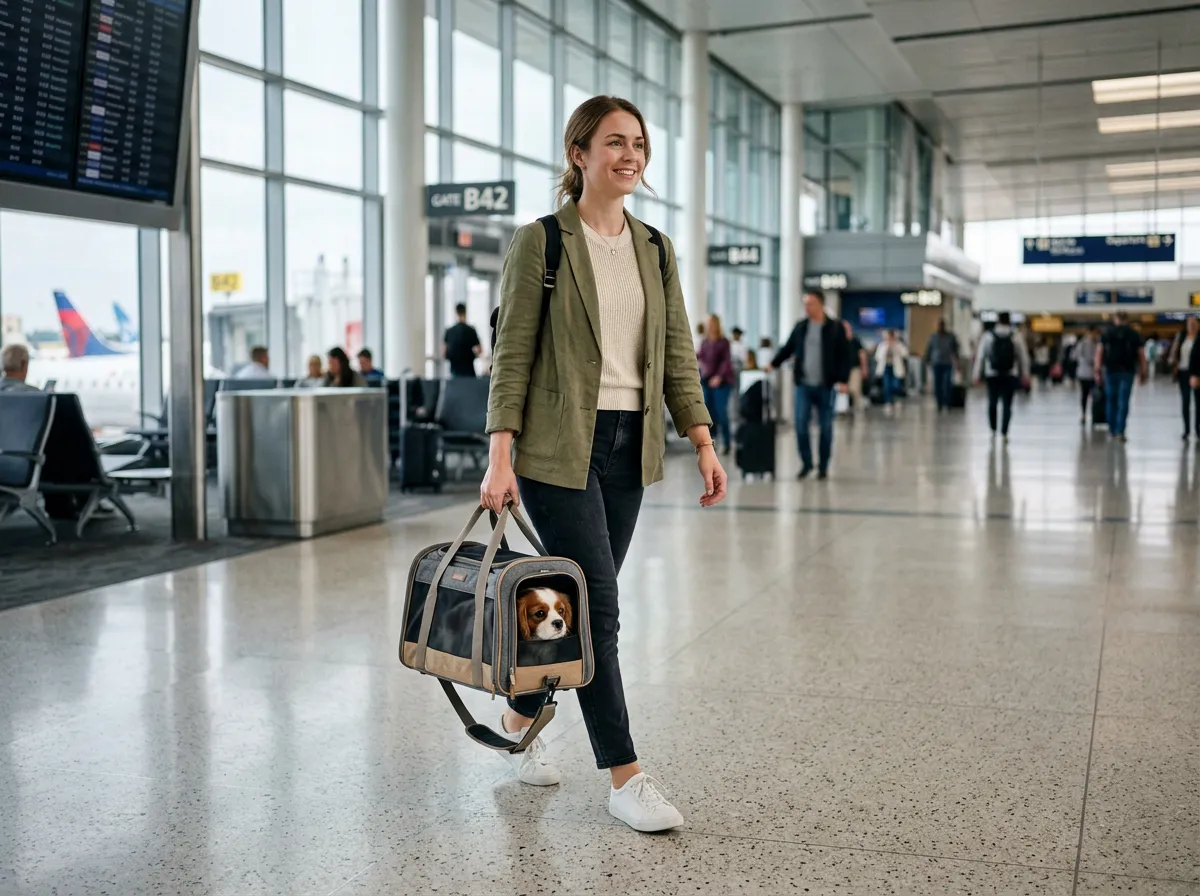
Obtain accurate measurements of height, length, and weight to select the correct carrier size.
- Height Measurement: Measure from the ground to the top of your dog's head while they are standing.
- Length Measurement: Measure from the tip of the nose to the base of the tail.
- Weight Considerations: Weigh your dog to ensure they fall within the carrier's weight limit.
Use these measurements to choose a carrier that accommodates your dog comfortably during the flight.
Ensuring Compliance with Airline Regulations
Verify the specific pet-carrier policies of the airline you will use. Airlines maintain distinct size limits and requirements that may differ significantly.
Key points to consider include:
- Check Airline Policies: Review the airline's pet travel guidelines to understand their specific requirements.
- Carrier Features for Compliance: Ensure your carrier has the necessary features, such as proper ventilation and secure closures.
- Gradual Acclimation for Pets: Allow your dog to get used to the carrier before the trip to minimize stress.
Rover Ready Co offers a selection of carriers that comply with a range of airline regulations to facilitate travel planning.
Additional Tips
Traveling with pets requires systematic planning and preparation. The following measures help support a smooth journey.
- Avoid Common Mistakes: Familiarize yourself with airline policies to avoid last-minute surprises.
- Pack Essentials for Comfort: Bring along your dog's favorite blanket or toy to help them feel secure during the flight.
- Stay Calm: Your dog can sense your emotions, so remaining calm will help them feel more at ease.
What Are Airline-Approved Dog Carriers and Why Are They Essential?
Airline-approved dog carriers are manufactured to meet airline safety and comfort standards for pet transport. These carriers secure the animal and reduce the risk of injury or excessive stress during flight.
Using an airline-approved carrier ensures regulatory compliance and provides a controlled environment for the pet. Benefits include:
- Guaranteed Compliance: Ensures you meet airline requirements, avoiding travel disruptions.
- Comfort for Pets: Designed with your dog's comfort in mind, reducing anxiety during travel.
- Enhanced Safety Features: Built with secure closures and ventilation to keep your pet safe.
Key Benefits of Using Approved Dog Carriers for Air Travel
Approved carriers provide measurable advantages that improve travel outcomes for pets and their handlers.
| Benefit | Description | Impact Level |
|---|---|---|
| Guaranteed Compliance | Ensures adherence to airline regulations | High |
| Comfort for Pets | Provides a secure and familiar environment | High |
| Enhanced Safety Features | Includes secure closures and ventilation | High |
These benefits show why selecting a carrier that meets both regulatory and comfort requirements matters.
How to Measure Your Dog and Choose the Correct Carrier Size
Accurate measurement is essential for selecting an appropriately sized carrier. Follow the recommended steps to confirm a proper fit:
- Gathering Tools for Measurement: Use a measuring tape and a scale to get accurate measurements.
- Comfort Check for the Dog: Ensure your dog can stand, turn around, and lie down comfortably in the carrier.
- Comparing Measurements with Carrier Dimensions: Check the carrier's dimensions against your dog's measurements to ensure a proper fit.
Adhere to these steps to select a carrier that satisfies your dog's needs and airline requirements.
Airline regulations commonly require carriers to allow animals to stand and turn around freely for comfort and safety.
Airline Pet Carrier Requirements: Stand, Turn, Comfort
Soft-sided carriers should allow the animal inside to stand and turn around. This requirement supports pet comfort and safety during air travel by preventing prolonged confinement in an uncomfortable position.
Enhancing the Customer Journey for Passengers Traveling with Pets by Air, 2023
Step-by-Step Guide to Measuring Your Dog for Airline Carriers
Perform the following measurements to determine the correct carrier size:
- Gather Tools: You will need a measuring tape and a scale.
- Measure Height: Stand your dog on all fours and measure from the ground to the top of their head.
- Measure Length: Measure from the tip of the nose to the base of the tail.
- Weigh Your Dog: Use a scale to determine your dog's weight.
Record these measurements and use them to select a carrier that is both comfortable and compliant with airline regulations.
Understanding Airline Pet Carrier Size Requirements and Restrictions
Airlines enforce specific carrier size requirements that vary by carrier. Confirming these requirements is necessary for an uninterrupted travel experience.
Key points to consider include:
- Common Size Limits: Most airlines have maximum dimensions for carriers, typically around 18-20 inches in length.
- Weight Limits: Ensure your dog’s weight falls within the airline's specified limits.
- Carrier Type Preferences: Some airlines prefer soft-sided carriers for in-cabin travel.
Familiarity with these specifications helps prevent compliance issues during travel.
In addition to dimensions, confirm airline-specific weight limits and preferred carrier types to ensure full compliance.
Airline Pet Weight Limits & Soft Carrier Rules
All airlines impose a maximum weight limit of 8kg for pets traveling in the cabin, including the carrier. Turkish Airlines uniquely requires pets to travel in soft carriers, highlighting the varying policies among carriers and the importance of checking specific airline regulations.
Private jet pet travel: key advantages and regulatory insights, 2025
What Are the Differences Between Soft-Sided and Hard-Sided Pet Carriers?
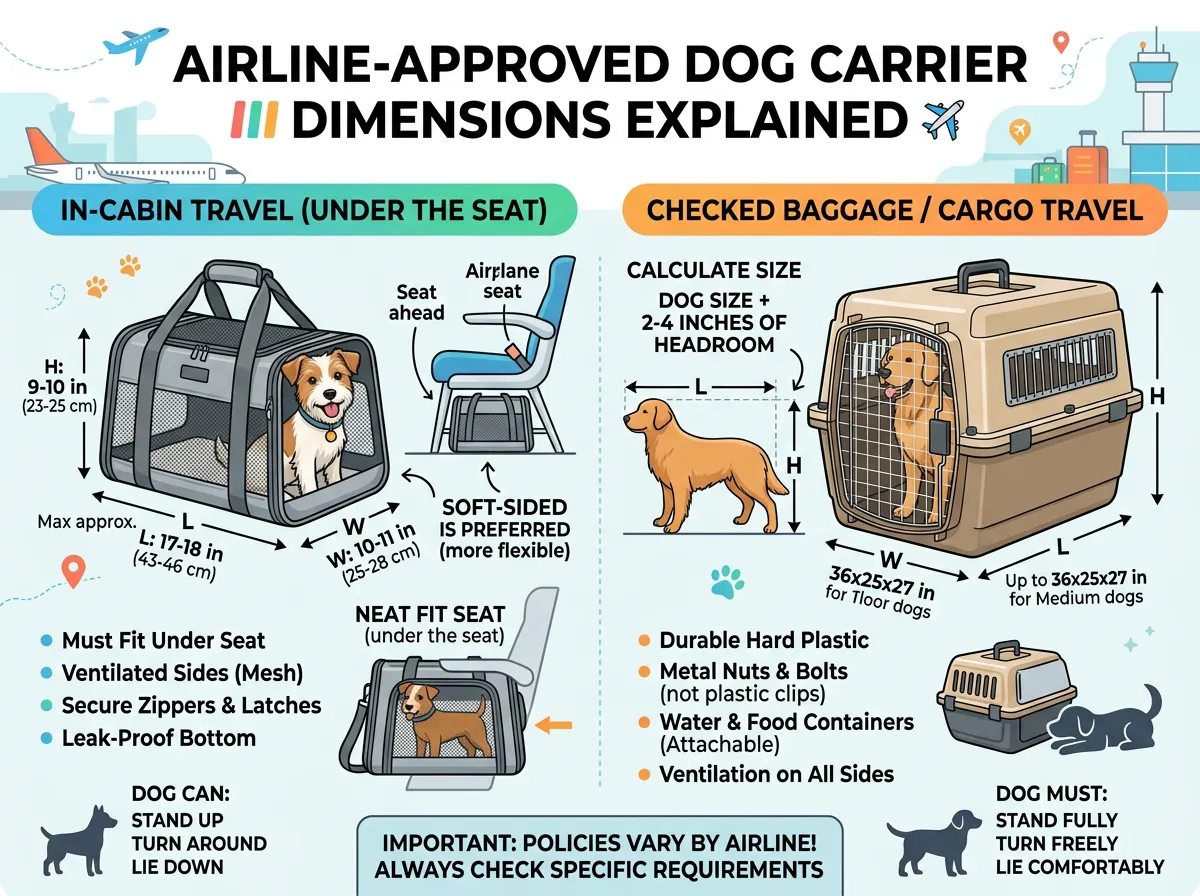
Evaluate the functional differences between soft-sided and hard-sided carriers when deciding which option is best for travel.
- Advantages of Soft-Sided Carriers: These carriers are more flexible, allowing them to fit under airline seats more easily. They also tend to be lighter and easier to carry.
- Advantages of Hard-Sided Carriers: Hard-sided carriers provide added protection and stability, making them suitable for larger or more anxious pets.
Select the carrier type based on the dog's size, temperament, and the airline's specific requirements.
Advantages of Soft-Sided Airline-Approved Dog Carriers
Soft-sided carriers present practical advantages for in-cabin travel:
- Comfort for Pets: The soft material creates a cozy, sheltered environment for your dog.
- Flexibility for Fitting Under Seats: These carriers can conform to the space under airline seats, aiding in fit and compliance.
- Compliance with Airline Regulations: Many airlines prefer soft-sided carriers for in-cabin travel.
These characteristics contribute to the widespread use of soft-sided carriers for air travel.
When to Consider Hard-Sided Carriers for Air Travel
Hard-sided carriers are preferable in scenarios where extra protection or structural stability is needed.
- Larger Pets: Hard-sided carriers provide more internal space and stability for larger dogs.
- Anxious Pets: The sturdiness of hard-sided carriers can help anxious pets feel more secure.
- Airline Preferences: Some airlines may require hard-sided carriers for particular types of travel.
Assess the dog's needs and confirm airline policies to determine whether a hard-sided carrier is appropriate.
How to Ensure Your Dog Carrier Meets Airline Compliance and Safety Guidelines
Verify the following factors to ensure carrier compliance and safety:
- Size Requirements: Check that the carrier dimensions align with airline specifications.
- Ventilation Needs: Ensure the carrier has adequate ventilation panels for airflow.
- Safety Features: Look for secure closures and durable materials to keep your pet safe.
Adhere to these criteria to maintain carrier compliance and protect the pet during travel.
Overview of Current Airline Pet Carrier Regulations
Pet carrier regulations differ across airlines and may change; maintain current knowledge of applicable requirements.
Key points include:
- Size Restrictions: Most airlines have specific size limits for in-cabin carriers.
- Material Requirements: Carriers must be made of durable materials that can withstand travel conditions.
- Airline-Specific Policies: Each airline may have unique policies regarding pet travel, so always check before booking.
Keeping policies up to date reduces the risk of travel disruptions.
These regulatory variations reflect industry standards intended to protect pets and aviation personnel.
IATA Rules for Safe Pet Air Travel
The International Air Transport Association (IATA) established detailed rules in 2003 that are widely adopted by airlines to standardize safety protocols for both traveling pets and the staff who handle them.
Enhancing the Customer Journey for Passengers Traveling with Pets by Air, 2003
Safety Features to Look for in Airline-Approved Dog Carriers
Assess carriers for the following safety features prior to travel:
- Secure Closures: Ensure the carrier has reliable closures to prevent escapes.
- Durable Materials: Look for carriers made from high-quality, durable materials.
- Adequate Ventilation: Ensure the carrier has sufficient ventilation panels for airflow.
These features are necessary to protect the pet's welfare during transport.
Which Are the Best Airline-Approved Dog Carriers: Reviews and Comparisons
Several carriers are notable for compliance, durability, and user feedback. Use a comparison of features and dimensions to guide your purchase decision.
- Top Soft-Sided Carriers for Flights in 2024: Look for carriers that offer comfort, compliance, and durability.
- Comparing Features, Dimensions, and Airline Compliance Status: Evaluate different carriers based on their dimensions, weight limits, and user reviews.
Compare dimensions, weight limits, and user reviews to determine the most suitable carrier for your requirements.
What Are the Essential Tips for Preparing Your Dog and Carrier for Air Travel?
Prepare both the dog and the carrier using the following key steps to reduce stress and ensure readiness:
- Familiarization with the Carrier: Allow your dog to explore the carrier before the trip.
- Health Check for the Dog: Ensure your dog is healthy and up-to-date on vaccinations.
- Packing Essentials: Bring along comfort items, such as a favorite blanket or toy.
Implementing these steps supports a smoother travel experience for both owner and pet.
How to Pack and Use Your Airline-Approved Dog Carrier Effectively
Proper packing and correct use of the carrier improve travel outcomes and pet comfort.
- Familiarization with the Carrier: Allow your dog to get used to the carrier before the trip.
- Packing Comfort Items: Include your dog's favorite blanket or toy to help them feel secure.
- Best Practices for Securing the Carrier: Ensure the carrier is properly secured during travel to prevent any accidents.
Follow these practices to increase the dog's comfort and reduce the likelihood of incidents during transport.
Travel Safety and Comfort Tips for Your Pet During Flights
Follow these recommendations to protect your pet's safety and comfort during flights:
- Monitoring Your Pet: Keep an eye on your dog during the flight to ensure they are comfortable.
- Staying Calm: Your demeanor can influence your pet's behavior, so remain calm and reassuring.
- Ensuring Hydration: Make sure your dog has access to water before and during the flight.
Applying these recommendations contributes to a more favorable travel experience for your pet.
Where to Find Reliable Resources and Support for Airline Pet Travel
Identify authoritative resources and support channels to simplify airline pet travel.
- Airline Dog Carrier Size Guide: Many airlines provide size guides for pet carriers on their websites.
- Compliance Guide: Look for resources that outline the specific requirements for pet travel.
- Official Airline Websites: Always refer to the airline's official website for the most accurate and up-to-date information.
Use these authoritative sources to navigate regulatory requirements and carrier specifications.
Accessing Airline Pet Carrier Size Guides and Compliance Information
Obtain carrier size guides and compliance information through airline websites and official documentation.
- Resources for Size Guides: Many airlines offer downloadable size guides on their websites.
- Compliance Standards: Familiarize yourself with the general compliance standards for pet carriers.
- Official Airline Policies: Always check the airline's official policies regarding pet travel.
Remain informed to ensure a consistent and compliant travel experience for you and your pet.
Utilizing Rover Ready Co’s Educational Content and Customer Support
Rover Ready Co provides educational materials and support for pet owners preparing for air travel.
- Accessing Educational Content: Explore the educational materials available on their website to learn more about pet travel.
- Customer Support Channels: Reach out to their customer support for any questions or concerns regarding your purchase.
- Frequently Asked Questions: Check their FAQ section for common inquiries related to pet travel.
These resources assist in making informed decisions regarding carrier selection and travel preparation.
How to Maintain and Care for Your Airline-Approved Dog Carrier
Maintain and care for the carrier to preserve its service life and compliance status.
- Cleaning Best Practices: Regularly clean the carrier to remove dirt and odors.
- Storage Tips: Store the carrier in a cool, dry place when not in use.
- Inspecting for Compliance: Periodically check the carrier for any signs of wear or damage.
Apply these maintenance practices to ensure the carrier remains fit for future travel.
Cleaning and Storage Best Practices for Soft-Sided Carriers
Soft-sided carriers require specific care to preserve fabric quality and structural integrity.
- Cleaning Materials: Use mild soap and water to clean the carrier's fabric.
- Storage Techniques: Store the carrier flat to prevent creasing or damage.
- Regular Inspections: Check for any signs of wear or damage before each trip.
Consistent cleaning and appropriate storage extend the carrier's usable lifespan.
Inspecting and Updating Carrier Compliance Over Time
Regular inspection and updates to compliance knowledge are necessary to maintain safe travel conditions.
- Regular Compliance Checks: Periodically review the airline's requirements to ensure your carrier remains compliant.
- Updating Knowledge on Regulations: Stay informed about any changes in airline policies regarding pet travel.
- Maintaining Carrier Condition: Regularly check for any signs of wear or damage that could affect compliance.
Proactive oversight ensures the carrier remains safe and compliant for all future travel.
Frequently Asked Questions
What should I do if my dog is anxious about traveling in a carrier?
Acclimate the dog to the carrier well in advance. Permit exploration at home and place treats or toys inside to establish positive associations. Gradually lengthen the duration the dog spends in the carrier and introduce short car trips to build tolerance. Consult a veterinarian for professionally recommended calming aids or techniques if required.
Are there specific health requirements for dogs traveling by air?
Many airlines require current vaccinations and may request a veterinary health certificate, particularly for international travel. The certificate verifies that the dog is healthy and fit to travel. Confirm the airline's specific health requirements prior to booking.
Can I use a regular pet carrier for air travel?
A regular carrier is acceptable only if it meets the airline's specified size, ventilation, and safety standards. Non-compliant carriers can cause travel disruptions or result in denied boarding. Verify the airline's guidelines and select an airline-approved carrier when necessary.
What should I pack for my dog when traveling by air?
Pack items that support the dog's comfort and health: a familiar blanket or toy, sufficient food and water, portable bowls, required medications, a leash for arrival, waste bags, and any necessary health documentation.
How can I ensure my dog stays hydrated during the flight?
Ensure the dog has access to water before boarding and carry a small, spill-proof water container. Offer water during layovers when possible and monitor hydration on longer flights. For dogs prone to anxiety, use a water bottle with an integrated bowl to facilitate drinking within the carrier.
What are the best practices for securing my dog’s carrier during travel?
Secure the carrier according to the mode of transport. In vehicles, use seat belts or straps for hard-sided carriers. For in-cabin air travel, place the carrier in the designated location under the seat and confirm stability. Do not place heavy items on the carrier and verify that closures are fully secured prior to departure. Inspect the carrier regularly for wear that could compromise safety.
How do I choose the right size carrier for my dog?
Measure the dog's height from the ground to the top of the head while standing, and length from the tip of the nose to the base of the tail. Weigh the dog to confirm it falls within the carrier's weight limit. The carrier must allow the dog to stand, turn, and lie down comfortably. Compare the dog's measurements to the carrier's dimensions before purchase.
Conclusion
Selecting an appropriate airline-approved carrier is critical for pet safety and comfort during air travel. Understand compliance requirements, comfort considerations, and essential safety features to make an informed choice. Acclimate the dog to the carrier and adhere to airline regulations to facilitate a smoother journey. Review the available carrier selection to identify the option that best matches your pet's needs.


