

American Pet Policy: How To Fly American Airlines With Pets
Flying with your dog on American Airlines is very doable, but the rules have real teeth. One wrong assumption about carrier size, route eligibility, or document timing can turn a smooth check-in into a stressful standoff at the counter. Knowing exactly where your pet fits in American's pet travel system before you book is the single most useful thing you can do as a traveling pet parent. The American Airlines pet policy covers cabin travel, cargo, checked pets, and service animals, and each category comes with its own rules, fees, and carrier requirements.
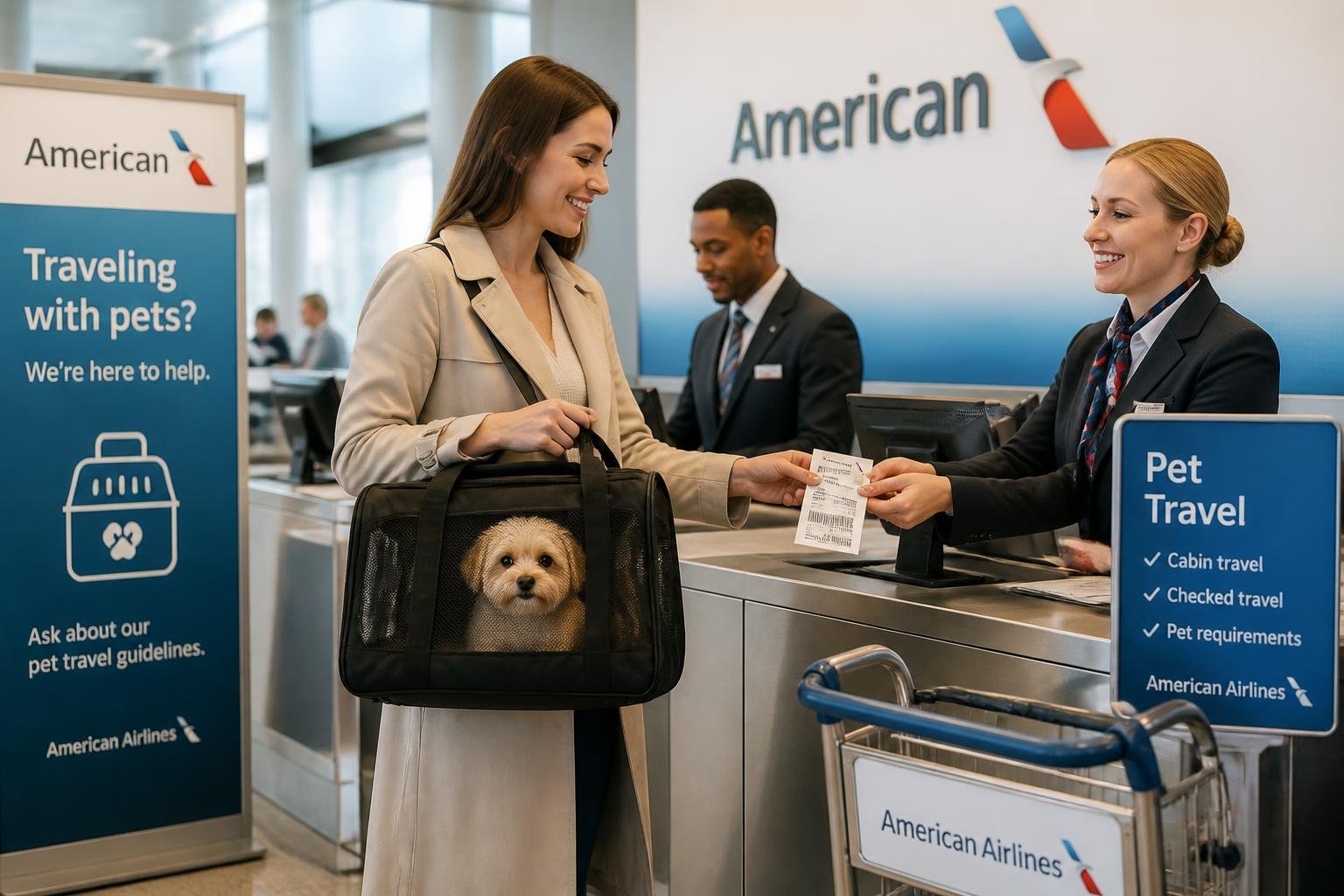
At Rover Ready, the focus is on helping dog owners stop guessing about whether a carrier will fit under the seat and whether their gear matches what the airline actually requires. This guide walks you through American's pet rules in the order you will actually use them: eligibility first, then carrier fit, then documents, then day-of prep. If you want to browse airline-approved carriers and size guidance before you book, reach out at craig@roverreadyco.com or call 803-630-1451.
Start Here: Which Travel Option Fits Your Pet
American Airlines offers three distinct paths for pet travel: cabin carry-on, checked baggage, and cargo through American PetEmbark. Only small dogs and cats qualify for the cabin, and checked baggage is restricted to a narrow group of travelers. Most pets that cannot fly in the cabin must use American Airlines Cargo.
When A Dog Or Cat Can Fly In The Cabin
Your pet can fly in the cabin if it is a cat or dog that fits inside an approved carrier that fits under the seat in front of you. The pet must remain inside the carrier for the entire flight. Age and destination requirements also apply. This is the most common path for small dogs, and it comes with a $150 carry-on pet fee per kennel each way.
When Pets Must Use Cargo Instead
If your dog is too large to fit comfortably and safely inside a cabin-approved carrier, American Airlines does not allow it in the passenger cabin. These pets must travel through American Airlines Cargo using the PetEmbark service. Fees vary based on trip details, kennel size, and animal size, and are confirmed at booking.
Who Can Check A Pet As Baggage
Checked pet travel is limited exclusively to active-duty U.S. Military and U.S. State Department Foreign Service personnel traveling on official orders. If that does not describe you, the checked baggage route is not available. Up to two pets may be checked under this program, and capacity is accepted on a first-come basis.
Cabin Rules That Matter Before You Book
Before you purchase your ticket, three things deserve careful attention: whether your route qualifies, how early you need to add your pet to the reservation, and what the in-flight rules will require of you and your dog.
Eligible Routes And Basic Flight Limits
Cabin pet travel is permitted on most flights up to 12 hours. Eligible destinations include flights within the 48 contiguous United States, between the U.S. and Canada, Alaska, Mexico, Puerto Rico, St. Croix, and St. Thomas. Additional restrictions may apply for Canada and Mexico itineraries. International routes outside these regions generally do not allow cabin pets, so confirm your specific route before booking.
Carry-On Pet Fee And Reservation Timing
The carry-on pet fee is $150 per kennel each way. You pay at the airport or a travel center by credit card or paper voucher. Cash and checks are not accepted. Add your pet to the reservation as early as possible since space for cabin pets is limited on each flight. If your itinerary includes a codeshare segment operated by a partner airline, that carrier collects its own fee separately.
Seat And In-Flight Rules For Pets
Your pet carrier must stay under the seat in front of you for the entire flight, not in the overhead bin. You may bring one additional item on board with the carrier, either a personal item or a carry-on bag, but not both. Pet strollers must be checked at the ticket counter and standard checked bag fees apply.
Carrier Fit, Under-Seat Space, And Rover Ready Tips
Getting carrier dimensions right is where most pet travel problems actually start. American Airlines does not publish a single universal measurement for all aircraft, which means the carrier that worked on one plane may not slide under the seat on another.
Soft-Sided Vs Hard-Sided Options
Soft-sided carriers are the practical choice for cabin travel. They compress slightly to fit into irregular under-seat spaces, which is a real advantage on narrow-body aircraft. Hard-sided carriers are rigid and do not flex, making them a poor fit for under-seat use on most commercial flights. As noted in this airline-approved pet carrier size guide, soft-sided carriers are the standard recommendation for in-cabin travel across major U.S. airlines.
Carrier Dimensions By Aircraft Type
Under-seat space varies by aircraft type, and this matters more than most people expect. Narrower regional jets often have smaller under-seat clearance than mainline planes. According to pet carrier dimension guidance, measuring your carrier against the airline's posted dimensions for your specific aircraft before travel is the most reliable approach. Check American's aircraft-specific guidelines when you book and confirm again closer to departure.
How To Choose A Travel-Ready Dog Carrier
Look for a carrier with a structured but compressible base, ventilation on multiple sides, and a secure locking zipper. Your dog should be able to stand, turn around, and lie down comfortably inside. At Rover Ready, the carrier selection focuses on these exact qualities because a carrier that fits the airline requirements but stresses your dog during the flight is not a real solution. Browse airline-approved dog carriers designed for real under-seat fit before you commit to a purchase.
Service Dog Requirements And Required Forms
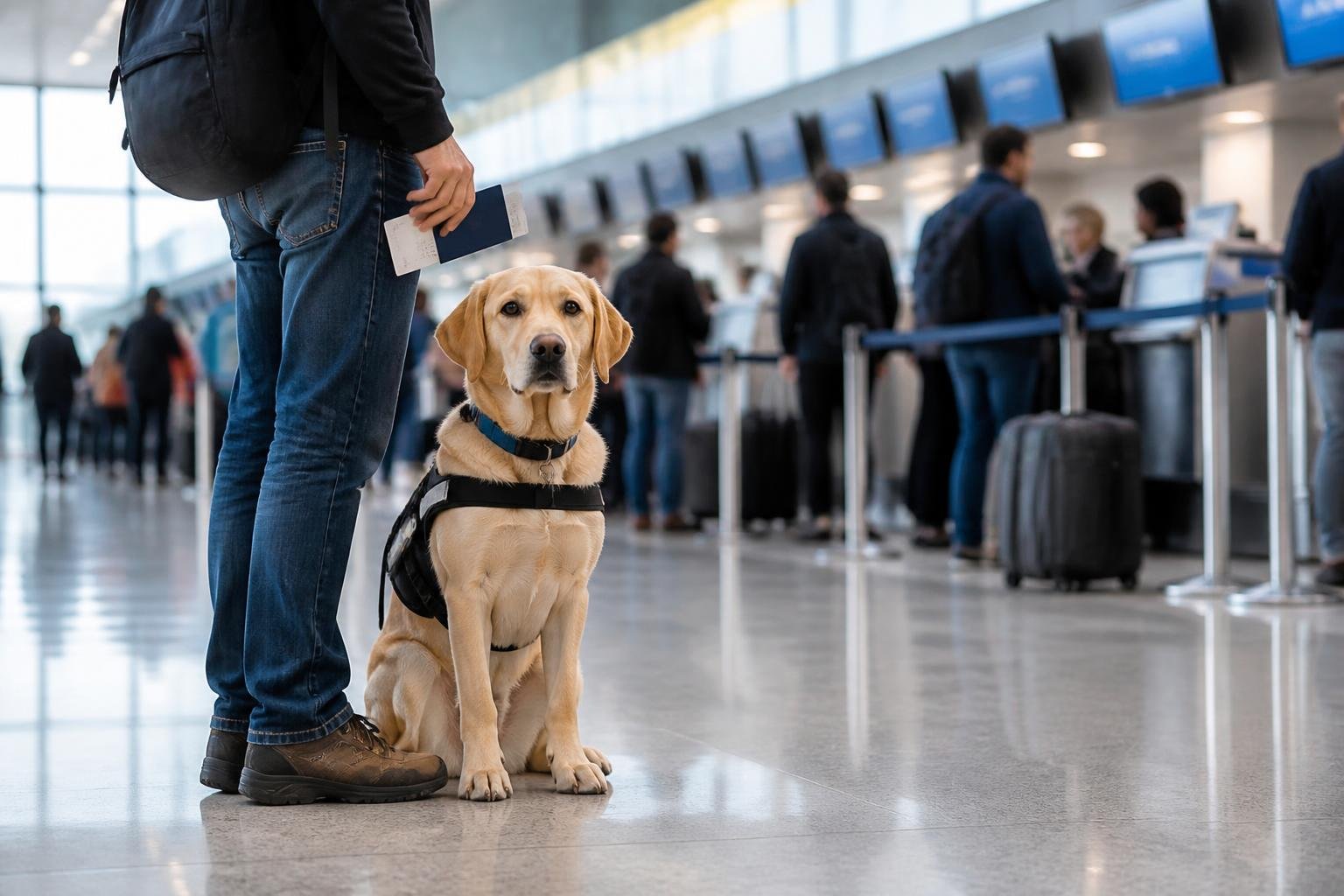
Fully-trained service dogs may fly in the American Airlines cabin at no charge, but the process involves specific DOT forms, advance submission, and in some cases a recognized identification system. Getting the paperwork in order at least 48 hours before departure is not optional.
What Qualifies As A Service Animal
Under current DOT rules, only trained service dogs qualify for cabin travel as service animals. Emotional support animals no longer have the same protected status under federal air travel rules. The dog must be trained to perform a specific task related to a disability. Service animals in training do not automatically qualify under the same rules, so confirm eligibility with American Airlines before booking if this applies to your situation.
DOT And Relief Attestation Forms
American requires passengers traveling with a service dog to submit the DOT Service Animal Air Transportation Form at least 48 hours before the flight. If your flight is longer than eight hours, a Service Animal Relief Attestation form is also required. As outlined by ESA Doctors, both forms must be completed accurately and submitted on time or the airline may decline to accommodate the animal.
SVAN ID And Advance Submission Steps
The Service Animal Verification and Approval Network (SVAN) is a digital ID system that some handlers use to streamline the verification process. After completing your DOT forms, submit them to American Airlines through the designated channel at least 48 hours before departure. Bring printed or digital copies to the airport on travel day. Arrive early enough to allow time for staff to review documentation at check-in.
Cargo, Checked Travel, And Restriction Issues
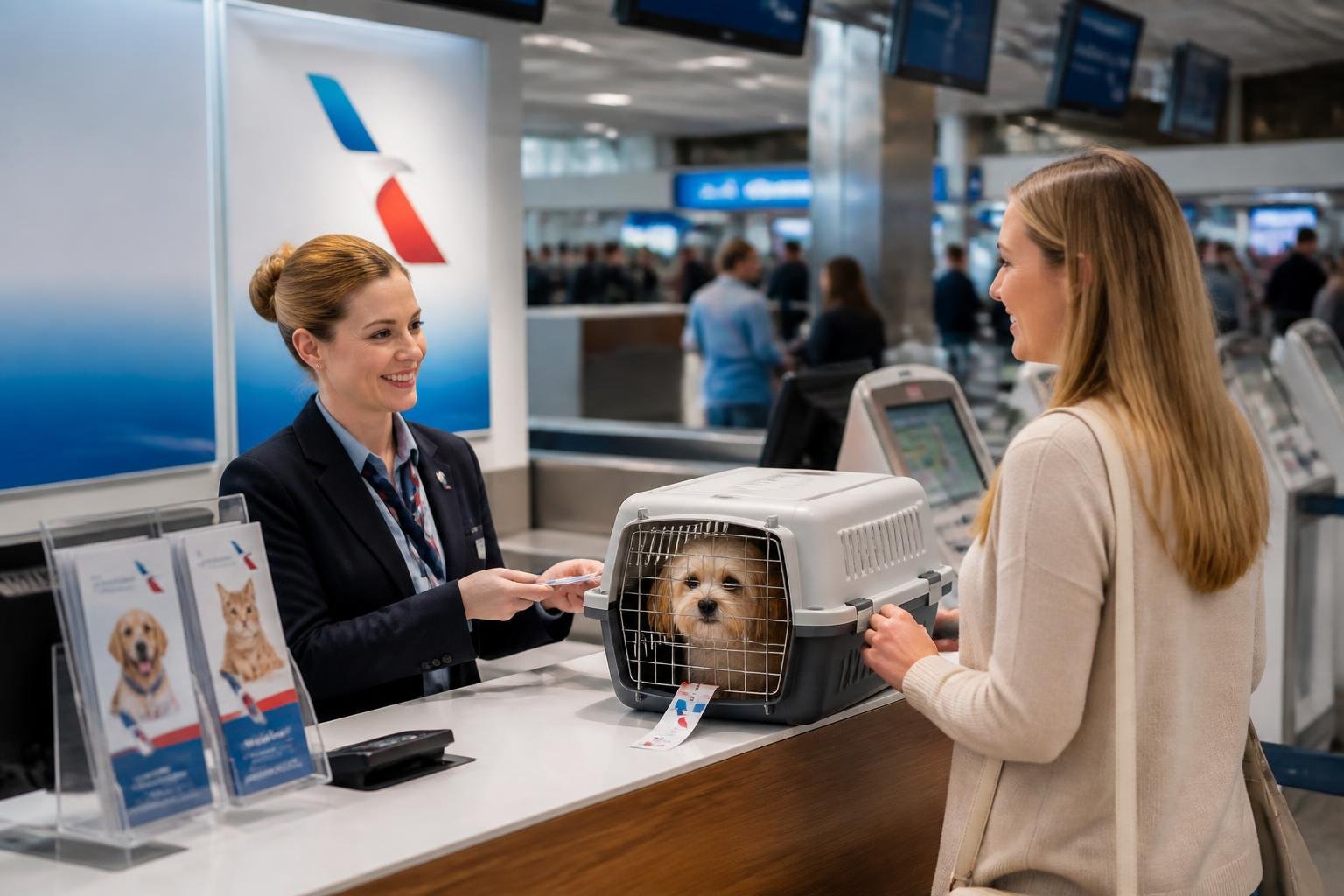
For pets that do not qualify for the cabin and owners who do not hold military or foreign service credentials, American PetEmbark through American Airlines Cargo is the primary option. Breed restrictions and kennel standards apply in this category as well.
Kennel Guidelines For Non-Cabin Travel
Kennels used for checked or cargo travel must meet specific size and construction requirements. The kennel must be large enough for the pet to stand, turn around, and lie down naturally. It must be ventilated, leak-proof, and securely latched. All kennel guidelines for checked pets also apply to cargo travel, so review the full pet policy on American's site to confirm your kennel meets the structural and size requirements before travel day.
Breed Restrictions And Size Limits
Certain breeds face restrictions or outright bans for health and safety reasons. Snub-nosed (brachycephalic) dog breeds, including Bulldogs, Pugs, and Boston Terriers, are commonly restricted from cargo travel due to respiratory risks. According to DogChart's American Airlines dog policy breakdown, size limits and breed restrictions apply across both checked and cargo categories, and owners should confirm eligibility before booking rather than at the counter.
What To Know About American PetEmbark
American PetEmbark is the cargo service for pets that cannot travel as a carry-on or checked bag. It is available through American Airlines Cargo and handles larger pets and situations outside standard cabin eligibility. Fees vary and are confirmed at time of booking. If you need to use this service, contact American Airlines Cargo directly well in advance of your travel date to confirm availability, route coverage, and kennel specifications.
Documents, International Rules, And Day-Of-Travel Prep
Paperwork and timing can quietly create bigger problems than carrier dimensions. Whether you are flying domestically or entering the U.S. with a dog, having the right documents ready and arriving at the airport with enough buffer time will prevent the most common last-minute issues.
Bringing Dogs Into The United States
The CDC has issued updated requirements for bringing dogs into the United States. These rules apply regardless of which airline you use and affect dogs that have been outside the U.S. The requirements vary depending on where the dog was located and whether it has been vaccinated for rabies in the U.S. with a USDA-accredited veterinarian. If your trip involves crossing into the U.S. with your dog, review the current CDC requirements well before your departure date.
CDC Forms And Health Paperwork
For international travel, a health certificate issued by a licensed veterinarian is typically required. For checked pets, the certificate must be issued within 10 days of travel. The ExpeditedFS service is one option some travelers use to fast-track USDA-endorsed health certificates when time is short. For domestic flights, health certificate requirements may vary by destination, so verify with American Airlines during booking.
A Simple Pre-Flight Checklist For Smoother Check-In
Use this list to confirm you are ready before leaving for the airport:
- Carrier fit confirmed: Soft-sided carrier measured against your specific aircraft type
- Pet added to reservation: Done at time of booking, not at the airport
- Carry-on pet fee paid: $150 per kennel each way, credit card only
- Health certificate: Issued within 10 days of travel for applicable routes
- Service dog forms: DOT form and relief attestation (if 8+ hour flight) submitted 48 hours in advance
- CDC import requirements: Reviewed and completed for any international entry into the U.S.
- Arrival time: At least 2 hours before departure; 2 to 4 hours for checked pets (military)
- One additional item ready: Personal item or carry-on bag, not both, alongside your pet carrier


