

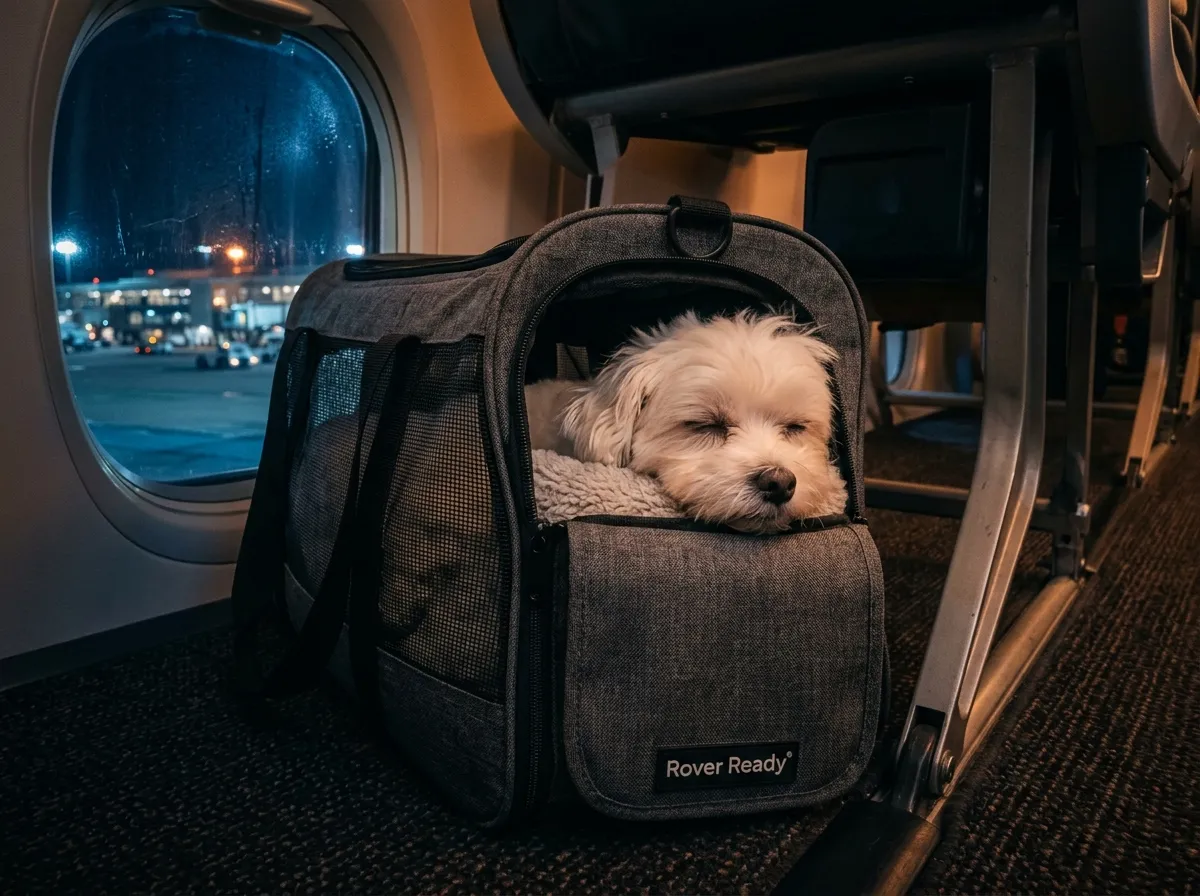
By Craig Roberts, Rover Ready Co
Air travel with dogs presents specific welfare and logistical challenges. This guide summarizes proven calming techniques and practical steps for owners, covering pre-trip preparation, essential packing, procedures for travel day, and in-flight management to reduce canine anxiety and improve comfort.
Key Takeaways
- Preparation before travel, including carrier familiarization and veterinary health checks, reduces dog anxiety on planes.
- Packing essentials like food, water, comfort items, and medications supports a calm and comfortable flight for dogs.
- Maintaining a calm demeanor and securing the carrier properly on travel day helps minimize stress for dogs.
- During flights, monitoring behavior and providing reassurance can effectively reduce dog anxiety and discomfort.
- Recognizing anxiety signs and consulting veterinarians about calming aids or medications improves anxiety management during air travel.
- Natural remedies such as herbal supplements and behavioral training techniques help soothe anxious dogs safely during flights.
- Choosing airline-approved carriers with proper ventilation, safety features, and comfort enhances anxiety reduction for traveling dogs.
- Understanding and complying with airline pet travel policies ensures smooth travel and supports effective anxiety management.
- Starting travel preparation weeks in advance allows gradual acclimation, reducing stress and improving the overall flight experience for dogs.
Comprehensive Guide for Calming Techniques to Reduce Dog Anxiety on Planes
Effective calming strategies span preparation, appropriate equipment, and in-flight actions. When applied consistently, these methods reduce stress, support the dog's physical needs, and make travel more predictable for the owner.
1. Preparation Before Travel:
Effective preparation reduces travel-related anxiety. Familiarise the dog with the carrier, verify health status with a veterinarian, and perform short acclimation trips to build tolerance before the flight.
- Familiarization with the Carrier: Allow your dog to explore and get comfortable with their carrier well before the travel date. This can help them associate the carrier with positive experiences.
- Health Check with a Veterinarian: Schedule a visit to the vet to ensure your dog is healthy enough for travel. Discuss any concerns you may have about their anxiety and ask for recommendations.
- Short Trips to Acclimate: Take your dog on short car rides or trips in their carrier to help them adjust to the experience of being confined in a moving vehicle.
2. Packing Essentials:
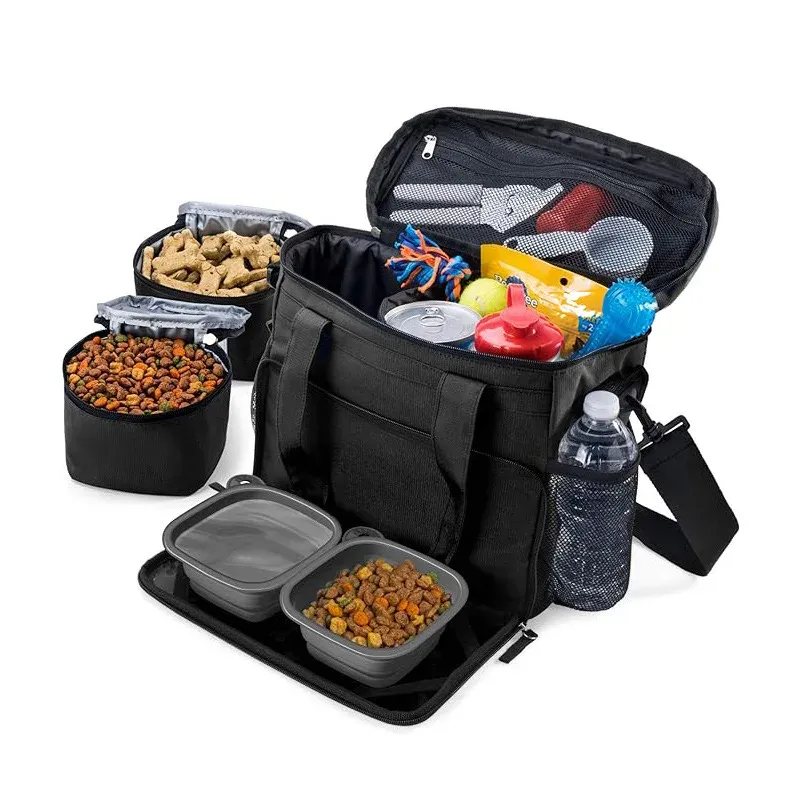
Pack items that maintain routine and address basic needs: sufficient food and water, portable bowls, familiar bedding or toys, and any prescribed medications or supplements required for the trip.
- Food and Water Supplies: Ensure you have enough food and water for the duration of the trip, along with portable bowls for easy access.
- Comfort Items: Bring along your dog's favorite blanket or toy to provide a sense of familiarity and comfort during the flight.
- Medications if Necessary: If your dog has a history of severe anxiety, consult your veterinarian about possible medications or calming supplements to help them relax.
Rover Ready Co supplies airline-approved dog carriers and travel accessories designed to reduce pet travel stress. Their soft-sided carriers combine comfort with airline compliance and are appropriate for dogs that exhibit anxiety.
3. Day of Travel:
On travel day, maintain a composed demeanour, ensure the carrier is secure and comfortable, and observe the dog for early signs of distress to allow prompt intervention.
- Maintain a Calm Demeanor: Dogs can sense their owner's anxiety, so it's essential to stay calm and relaxed throughout the travel process.
- Secure the Carrier Properly: Ensure that your dog's carrier is securely fastened and that they are comfortable inside before boarding.
- Monitor the Pet's Comfort: Keep an eye on your dog during the journey, checking for signs of distress and providing reassurance as needed.
4. During the Flight:
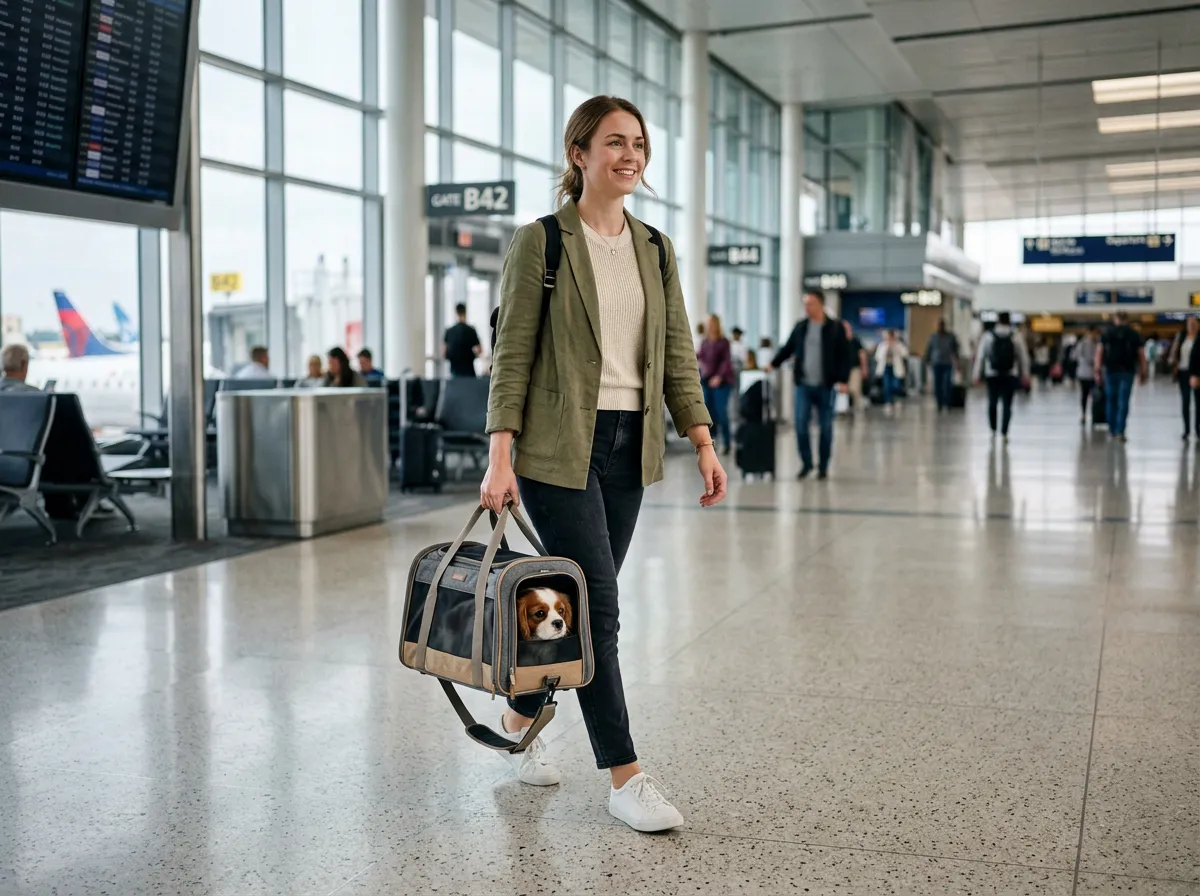
During flight, monitor behaviour for signs of anxiety, provide calm reassurance where permitted, and ensure the dog's basic needs are met. If the trip includes a driving segment, schedule regular breaks for exercise and relief.
- Keep an Eye on the Pet: Monitor your dog's behavior throughout the flight, looking for signs of anxiety or discomfort.
- Provide Reassurance: Speak to your dog in a soothing voice and offer gentle petting to help them feel more secure.
- Take Breaks if Traveling by Car: If your journey involves a car ride to the airport, plan for breaks to allow your dog to stretch and relieve themselves.
5. Addressing Common Challenges:
Early recognition of anxiety and targeted responses are essential. Use behavioural strategies, environmental adjustments, and veterinary guidance to address common issues.
Research indicates psychoactive medications may be effective for short-term management of specific fears and anxiety in pets, particularly when triggers are predictable, such as travel.
Psychoactive Medications for Dog Travel Anxiety
Recent research evaluates psychoactive medication for short-term management of specific fears and anxiety in cats and dogs when triggers are identifiable and predictable. These medications are administered on an as-needed, short-term basis to prevent situational symptoms of fear and anxiety. Additional literature reports anxiolytic effects from other medications used during travel and veterinary procedures.
Management of specific fears and anxiety in the behavioral medicine of companion animals: punctual use of psychoactive medications, P Piotti, 2019
- Recognizing Signs of Anxiety: Look for behaviors such as excessive barking, whining, or attempts to escape the carrier as indicators of anxiety.
- Consulting a Veterinarian for Calming Aids: If your dog exhibits severe anxiety, consult your veterinarian for recommendations on calming aids or medications.
- Using Calming Techniques: Implement techniques such as deep breathing exercises or calming music to help soothe your dog during the flight.
Rover Ready Co's airline-approved carriers offer a secure, comfortable space that may reduce travel-related anxiety for pets.
6. Important Considerations:
Prioritise carrier compliance, ventilation, and contingency planning. Confirm airline requirements, choose carriers with adequate airflow and safety features, and prepare for access to veterinary care at the destination.
- Carrier Regulations: Familiarize yourself with the airline's pet travel policies and ensure your carrier meets their requirements.
- Ventilation and Comfort: Choose a carrier with adequate ventilation and comfort features to keep your dog relaxed during the flight.
- Emergency Preparedness: Have a plan in place for emergencies, including access to veterinary care at your destination.
What Are the Common Causes and Symptoms of Dog Anxiety During Air Travel?
Common causes of travel anxiety include confinement, unfamiliar environments, and separation from the owner. Typical symptoms are excessive vocalisation, panting, drooling, and attempts to escape.
How Does Air Travel Trigger Anxiety in Dogs?
Air travel can induce anxiety through carrier confinement, unfamiliar sounds and motion, and separation from the owner. Implement proactive measures to address these stressors before and during travel.
What Behavioral and Physical Signs Indicate Travel Anxiety?
Recognise behavioral and physical indicators to allow timely intervention. Common signs include excessive barking or whining, increased panting or drooling, and hiding or attempts to escape the carrier.
- Barking and Whining: Vocalizations can indicate distress or discomfort.
- Panting and Drooling: Excessive panting or drooling may signal anxiety.
- Hiding or Trying to Escape: Attempts to escape the carrier or hiding within it can be signs of severe anxiety.
Which Natural Remedies and Behavioral Training Methods Help Soothe Anxious Dogs on Flights?
Natural remedies and structured behavioural training can complement medical approaches and support a calmer travel experience when used appropriately and with veterinary input.
What Natural Calming Remedies Are Safe for Dogs During Air Travel?
Several natural calming remedies are considered safe for dogs during air travel. Options include:
Dietary supplements and herbal extracts may provide alternatives to traditional medications for canine anxiety, often with fewer adverse effects.
Nutraceuticals & Herbal Extracts for Canine Anxiety Relief
Although several anxiolytic drugs are available, dietary supplements and herbal extracts have demonstrated calming effects with minimal addictive or aversive side effects. This chapter reviews mechanisms of stress and anxiety and outlines nutraceuticals that may reduce stress behavior and improve social interactions in canines.
Nutraceuticals for calming and stress, 2019
- Herbal Remedies: Ingredients such as chamomile and valerian root can promote relaxation.
- Aromatherapy: Certain essential oils, like lavender, may help soothe anxious dogs.
- Consulting a Vet: Always consult your veterinarian before introducing new remedies to ensure safety and effectiveness.
How Can Behavioral Training Prepare Dogs for Stress-Free Flights?
Behavioral training reduces travel-related anxiety. Use gradual carrier familiarisation, reward calm behaviour with positive reinforcement, and desensitise the dog to travel-related stimuli over time.
- Familiarization with the Carrier: Gradually introducing your dog to their carrier can help them feel more comfortable.
- Positive Reinforcement: Rewarding calm behavior with treats or praise can reinforce positive associations with travel.
- Desensitization Techniques: Gradually exposing your dog to travel-related stimuli can help them acclimate to the experience.
What Are the Best Pet Calming Products for Flights and How Do They Work?
Evaluate calming products as part of an overall plan. Select items that complement training and veterinary guidance and that address the dog's specific symptoms.
How Effective Are Dog Calming Sprays and Anxiety Vests for Flying?
Calming sprays and anxiety vests can assist in anxiety management. Sprays typically contain natural relaxants; vests apply gentle pressure to reduce nervousness. Use these products as adjuncts to training and, where appropriate, veterinary recommendations.
What Are the Recommended Calming Products Available for Air Travel?
Recommended options include calming sprays with natural ingredients, pressure vests, and natural supplements such as CBD oil or herbal calming chews. Assess each product for safety and suitability before use.
- Calming Sprays: Products designed to reduce anxiety through natural ingredients.
- Anxiety Vests: Garments that provide gentle pressure to help calm anxious dogs.
- Natural Supplements: Options such as CBD oil or herbal calming chews can support relaxation.
How to Select Airline-Approved Dog Carriers That Support Anxiety Reduction?
Select airline-approved carriers that provide ventilation, secure fastenings, and comfortable interiors. Verify in-cabin size requirements and choose reputable brands with a record of producing compliant carriers.
- Carrier Features to Look For: Opt for carriers with ventilation panels, safety straps, and comfortable interiors to enhance your dog's comfort.
- Size Requirements: Ensure the carrier meets the airline's size requirements for in-cabin travel.
- Brand Recommendations: Look for reputable brands known for producing high-quality, airline-compliant carriers.
What Are the Compliance Guidelines for Soft-Sided Airline-Approved Dog Carriers?
Compliance requirements differ across carriers. Confirm size and weight limits, material standards, and any airline-specific documentation or procedures well in advance of travel.
- Size and Weight Limits: Each airline has specific size and weight restrictions for pet carriers.
- Material Requirements: Carriers must be made of durable, non-toxic materials that can withstand travel conditions.
- Airline Regulations: Familiarize yourself with the specific regulations of the airline you will be traveling with to ensure compliance.
How Do Carrier Features Contribute to Calming and Comfort During Flights?
Carrier design influences the dog's comfort. Prioritise adequate ventilation, secure closures and straps, and interior features that promote a sense of security to help reduce anxiety.
- Ventilation and Comfort: Adequate ventilation is essential for maintaining a comfortable environment inside the carrier.
- Safety Features: Look for carriers with safety straps and secure closures to prevent escapes.
- Design Considerations: A well-designed carrier can provide a sense of security and comfort for anxious dogs.
What Essential Travel Preparation Tips Ensure a Calm Flight Experience for Dogs?
Prepare the dog by familiarising them with the carrier, packing necessary items, and maintaining a calm demeanour on travel day. These steps reduce acute stress and create predictable conditions.
- Familiarization with the Carrier: Allow your dog to explore their carrier in a stress-free environment before travel.
- Packing Essentials: Ensure you have all necessary items, including food, water, and comfort items.
- Calm Demeanor on Travel Day: Maintain a relaxed attitude on the day of travel to help your dog feel secure.
How Early Should You Prepare Your Dog for Air Travel?
Begin preparations several weeks before departure. Gradually increase carrier exposure, simulate travel conditions with short trips, and schedule veterinary checks well in advance.
- Start Preparing Weeks in Advance: Begin familiarizing your dog with their carrier and travel routine at least a few weeks before the trip.
- Familiarization Timeline: Gradually introduce your dog to the carrier and travel-related experiences over time.
- Health Check Timeline: Schedule a veterinary check-up well in advance to address any health concerns.
What Are the Key Steps in a Travel Preparation Checklist for Anxious Dogs?
Include carrier familiarisation, a complete packing checklist, and a veterinary health assessment on your travel preparation checklist to reduce the likelihood of issues during transit.
- Familiarization Steps: Allow your dog to explore their carrier and practice short trips.
- Packing Checklist: Make a list of essential items to bring along for your dog.
- Health Check Steps: Schedule a veterinary appointment to ensure your dog is fit for travel.
Which Airline Pet Travel Policies Affect Dog Anxiety Management and Carrier Selection?
Airline pet travel policies affect equipment choices and management strategies. Review size and weight restrictions, material requirements, and airline-specific policies before booking.
- Size and Weight Regulations: Each airline has specific regulations regarding the size and weight of pet carriers.
- Material Requirements: Ensure your carrier meets the airline's material requirements for safety and comfort.
- Airline-Specific Policies: Familiarize yourself with the policies of the airline you will be traveling with to avoid any surprises.
What Are the Latest Airline Regulations for Pet Carriers and Travel?
Monitor updates to airline regulations that affect pet travel, including changes to size restrictions, material standards, and required documentation for carrier approval.
How Do Compliance Standards Influence Calming Strategies During Flights?
Compliance standards determine permissible carriers and therefore influence which calming measures are practicable. Select compliant equipment and adjust techniques to meet regulatory constraints.
Frequently Asked Questions
What should I do if my dog shows signs of anxiety during the flight?
If your dog displays anxiety during flight, remain calm and provide reassurance within airline protocols. Use a soothing tone and gentle contact if permitted, monitor behaviour closely, and apply any prearranged calming aids. Consult a veterinarian in advance for specific interventions tailored to your dog.
Are there specific airlines that are more pet-friendly for anxious dogs?
Certain carriers are frequently noted for pet-friendly policies. Examples include Southwest, JetBlue, and Alaska Airlines. Compare each airline's carrier requirements, in-cabin options, and owner feedback to determine the best match for your dog's needs.
How can I help my dog adjust to the carrier before travel?
Allow the dog to explore the carrier in a familiar setting, place familiar bedding or toys inside, increase time in the carrier gradually, and use short car rides to simulate travel. Reward calm behaviour to reinforce positive associations.
What are the signs that my dog may need medication for anxiety during travel?
Indicators that medication may be necessary include severe or persistent distress such as excessive vocalisation, panting, drooling, or escape attempts. If these behaviours are consistent or the dog has a prior history of travel anxiety, seek veterinary assessment for appropriate calming aids or medications.
Can I use calming products in conjunction with behavioral training?
Yes. Combining short-term calming products with behavioural training addresses immediate symptoms while building long-term coping skills. Use sprays, vests, or supplements for acute relief and apply desensitisation and positive reinforcement as a sustained strategy. Coordinate the plan with your veterinarian.
What should I do if my dog refuses to enter the carrier?
If the dog refuses the carrier, avoid forcing entry. Make the carrier inviting with treats, toys, or bedding. Encourage brief voluntary sessions and reward calm entries, progressing gradually with consistent positive reinforcement.
How can I ensure my dog stays hydrated during the flight?
Provide water before boarding and use a spill-proof bowl attached to the carrier when permitted. Confirm with cabin crew whether water can be offered during flight and plan hydration during layovers or ground transfers. Adequate hydration reduces discomfort and supports wellbeing.
Conclusion
Applying structured calming techniques, thorough preparation, and appropriate equipment reduces canine anxiety during air travel and improves overall travel outcomes. Prepare in advance, pack essentials, recognise signs of distress, and consult veterinary professionals as needed. Review our airline-approved carriers and calming products to support your next journey.


