

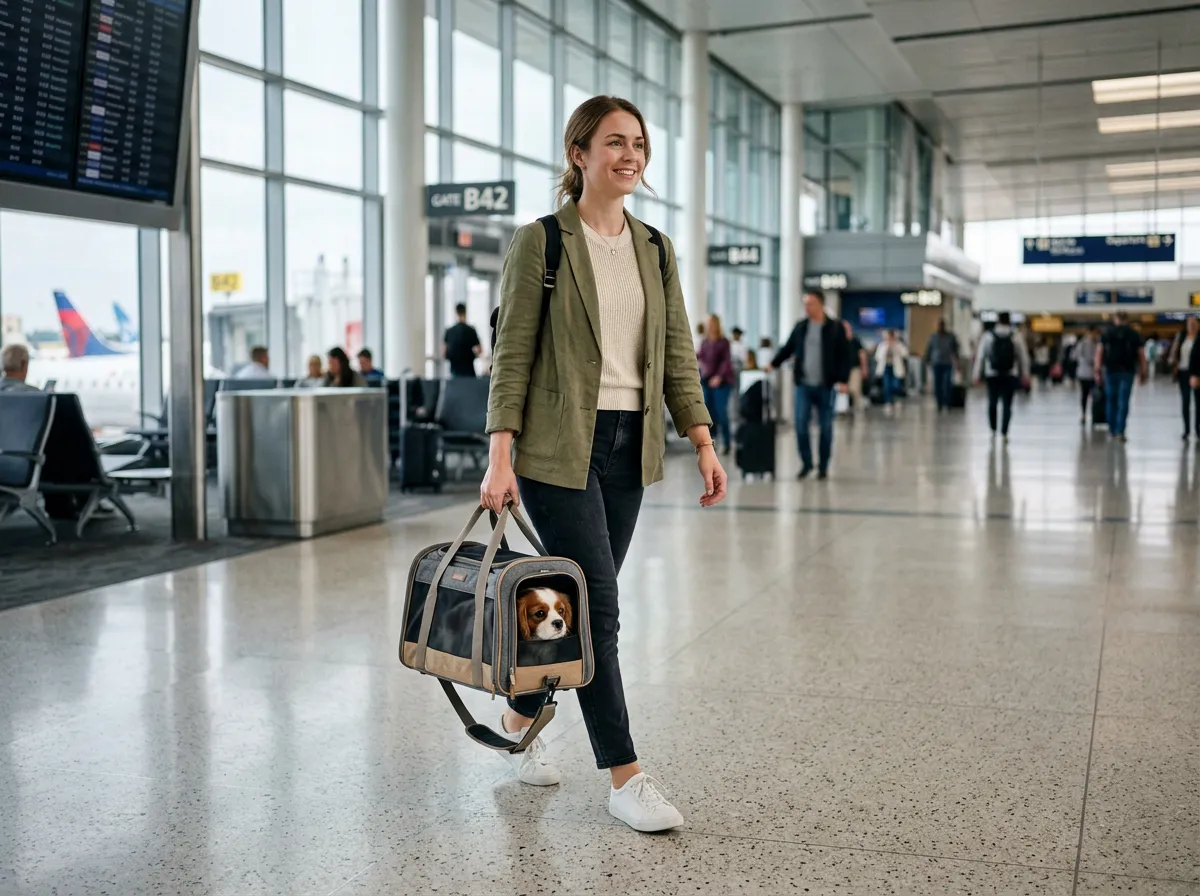
By Craig Roberts, Rover Ready Co
Traveling with dogs is rewarding but requires careful attention to airport check-in and security procedures. Understanding TSA pet travel rules and airline carrier requirements is essential for a smooth journey. This article provides a comprehensive overview to help you ensure your dog travels safely and comfortably. Many owners encounter uncertainty about documentation, security screening, and airline policies. Follow the guidance below to reduce stress and maintain regulatory compliance. Topics covered include TSA rules, carrier requirements, documentation, best practices, and recent policy updates affecting pet air travel.
Start planning as early as possible: some airlines require advance notification, seat limits for pets apply on many flights, and international travel often requires additional lead time for vaccinations and export/import paperwork. Create a simple checklist for booking, vet visits, carrier selection, and day-of-travel logistics so nothing is overlooked. Contact your airline's pet desk before purchase if you have any doubts about carrier approval, seating, or fees.
Key Takeaways
- Understanding TSA pet travel rules and airline carrier requirements is essential for smooth dog air travel.
- Pet owners must remove dogs from carriers during TSA security screening while carriers are screened separately.
- Airline-approved pet carriers must meet specific size, ventilation, and material standards for in-cabin travel.
- Essential documentation includes health certificates, vaccination records, and identification tags for pet check-in.
- Recent TSA and airline policy updates introduce new screening protocols and updated carrier requirements for 2026.
- Pet travel fees and carrier specifications vary by airline, so checking current policies before booking is crucial.
- Best practices include early preparation, veterinary health checks, and ensuring pet comfort and identification during travel.
- Pets must always be transported in approved carriers through airport security for safety compliance.
- Using structured data and optimized multimedia enhances online visibility of pet travel information and guides.
Airport Check-In and Security for Dog Travel
Prepare for air travel with your dog by reviewing airport check-in and security procedures in advance. These procedures exist to protect passengers and animals. Familiarise yourself with TSA regulations and your airline's requirements to streamline processing. Advance planning ensures you have necessary documentation and helps maintain your pet's comfort during transit. Apply recommended best practices to reduce delays and improve the travel experience for both you and your dog.
When scheduling flights, consider non-stop options where possible to reduce handling and transfer stress. Check flight times against your dog's routine — late-night or very early flights can be more stressful for some animals. If your trip is long or involves connections, identify pet relief areas at connecting airports and plan layover times that allow a short break for your dog.
TSA Pet Travel Rules
The TSA issues specific pet travel rules covering carrier specifications, security screening steps, and required documentation. Adhering to these rules is necessary to avoid delays and ensure the safety of all passengers and animals.
What Steps Does TSA Require for Pet Security Screening at the Airport?
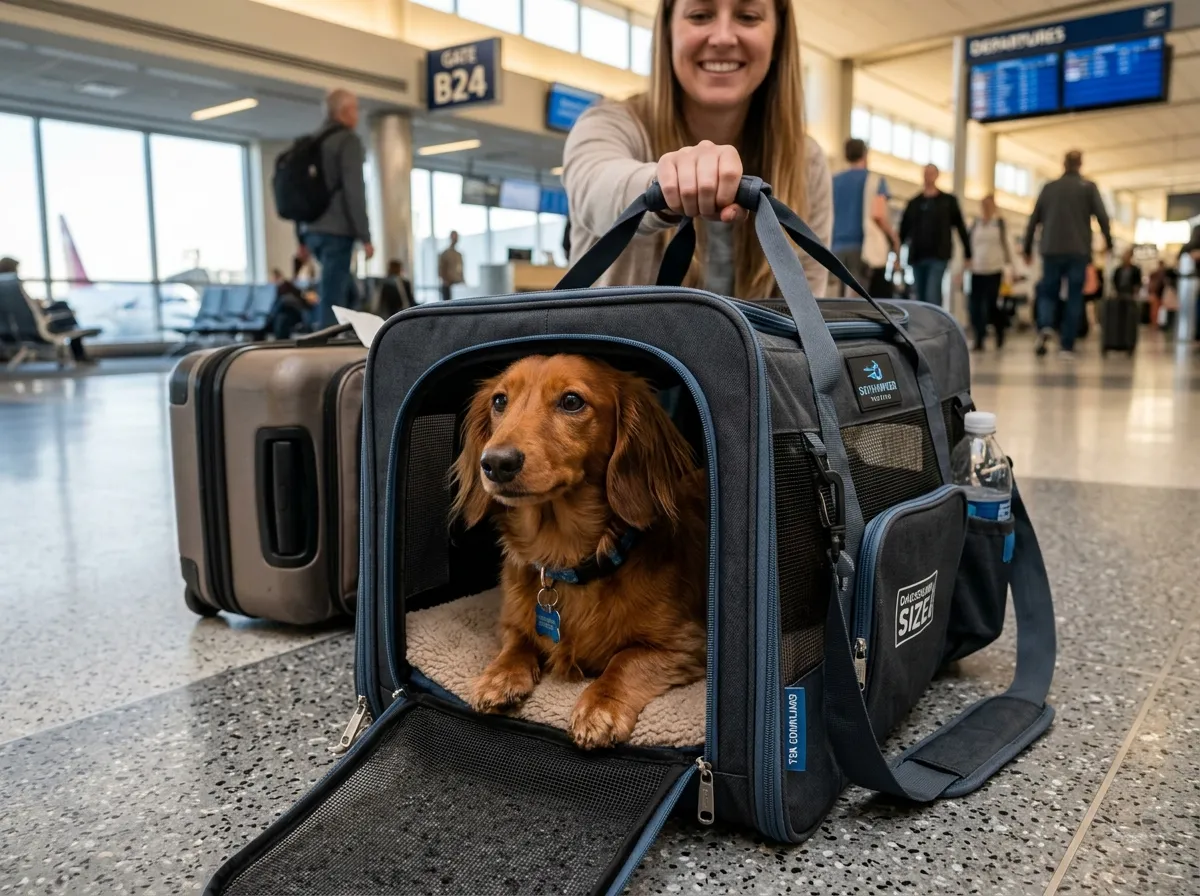
At security, remove the dog from its carrier and carry the animal through the metal detector while the carrier is screened separately. Keep the dog leashed and under control at all times. Be prepared to present documentation such as health certificates or vaccination records to TSA officers. These steps support safety and compliance during screening.
Practical tips at screening: have a harness or secure leash ready (no extended retractable leashes through the checkpoint), use a calm voice to steady your dog, and keep treats or a favorite toy handy to reward cooperative behavior. If your dog is nervous around crowds, consider asking for a quiet lane or an officer's assistance when possible; airports vary in available accommodations.
How to Comply with Airline Pet Carrier Size and Approval Requirements?
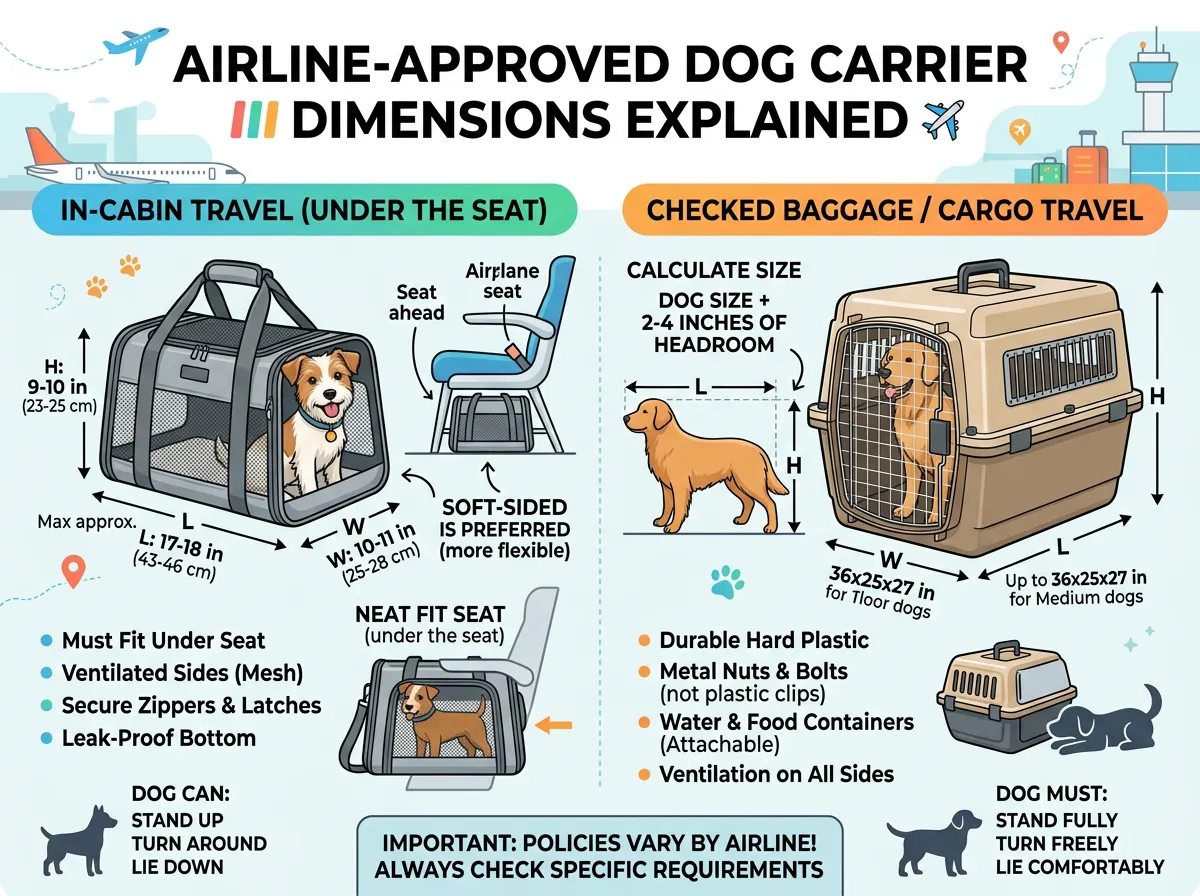
Airlines set specific carrier requirements for size, weight, materials, and ventilation. Check your airline's pet policy before travel. Carriers must provide ventilation, security, and sufficient space for the dog to stand, turn, and lie down. Some carriers must be approved or certified by the airline; verify approval requirements in advance.
Measure both your dog (shoulder height and length from nose to base of tail) and the interior dimensions of the carrier. For soft-sided carriers, confirm that the airline permits flexible sides that can slightly compress under the seat; for hard-sided crates used for cargo, ensure the material is sturdy and that ventilation openings meet airline rules. If you rent a carrier or borrow one, verify dimensions and condition well before travel day.
What Are the Standard Dimensions for Airline-Approved Dog Carriers?
Standard in-cabin carrier dimensions vary by airline but typically do not exceed 18–20 inches in height, 12–14 inches in width, and 18–24 inches in length. Measure your dog and select a carrier that meets these specifications to avoid issues at check-in. Always confirm the airline's published dimensions for accuracy.
Remember that measurement rules may differ by airline and by aircraft type (regional jets often have less under-seat space). If your dog is close to the size limit, call the airline to confirm whether the carrier will fit under the specific seat on your booked aircraft. Keep documentation of carrier dimensions with you at check-in in case staff require verification.
Which Airlines Have Specific Pet Carrier Policies for Air Travel?
Airline pet carrier policies vary. Carriers such as Delta and American Airlines publish specific requirements for dimensions and materials. Research the pet policy of your chosen carrier before booking. Also verify any breed or size restrictions that may apply to your dog.
Smaller or regional carriers can have stricter size limits or different procedures for advance notice, and some international carriers have distinct rules for cross-border travel. When comparing carriers, look at fees, in-cabin allowances, accepted breeds, and whether the airline requires reservations for pets in advance of ticket purchases.
Recent research underscores that understanding regulatory differences across airlines and countries is necessary for a smooth pet travel experience.
Commercial Flight Pet Travel: Airline Policies & Health Requirements
Travel with pets on commercial flights in Thailand is increasing for relocation, tourism, and special events. Pet owners must navigate airline policies, government regulations, and logistical challenges. Domestic carriers such as Thai Airways and Bangkok Airways enforce regulations for in-cabin, checked baggage, and cargo transport, with restrictions based on pet size, breed, and health status. The Department of Livestock Development (DLD) in Thailand requires vaccinations, health certificates, and quarantine measures for international travel. This study examines those policies, common challenges faced by owners, and best practices to ensure a safe journey.
Traveling with pets on commercial flights in Thailand, 2025
Essential Documentation
Carry required documentation to comply with airline and TSA rules. Common documents include a valid health certificate, up-to-date vaccination records, and identification tags. Keep these documents accessible to expedite check-in and screening.
For domestic travel, airlines commonly ask for proof of rabies vaccination or a recent vet exam depending on state rules. For international travel, you may need stamped export health certificates, microchip documentation, and country-specific import permits. Store both digital copies (on your phone) and printed originals in a single folder or travel wallet for easy access by airline agents, customs, or border officials.
Best Practices for Traveling with Pets
Adopt the following best practices to reduce risk and streamline travel:
- Preparation: Familiarize yourself with TSA and airline requirements well in advance of your trip.
- Health Check: Schedule a veterinary appointment to obtain necessary health certificates and vaccinations.
- Comfort: Ensure your dog is comfortable in its carrier and has access to water during the journey.
- Identification: Attach identification tags to your dog's collar and carrier to ensure they can be easily identified if separated.
Rover Ready Co supplies pet travel products intended to improve the travel experience. Their range includes carriers and accessories designed for safety and convenience during transport.
Additional practical steps: perform a test run by leaving your dog in the carrier for increasing intervals, take a short car trip with the carrier to simulate movement, and practice walking through mock security routines at home so the dog becomes used to being lifted and carried briefly. Assemble a compact travel kit with water, collapsible bowls, waste bags, any medications, a copy of vaccination records, and calming aids approved by your veterinarian.
What Are the TSA Pet Travel Rules for Airport Check-In?
TSA check-in rules address carrier specifications, security screening, and documentation. Complying with these rules is necessary to complete check-in and ensure the safety of passengers and pets.
At airline check-in counters, staff may verify carrier dimensions, weight, and documentation before issuing boarding passes. Some airlines require that pets be checked at the counter rather than at curbside. If traveling with a service animal, separate rules and documentation may apply; always check the airline's service-animal policy and prepare the necessary paperwork in advance.
How Are Recent 2026 TSA and Airline Policy Updates Affecting Pet Air Travel?
Recent TSA and airline updates introduce revised screening protocols and adjusted carrier requirements. These modifications seek to enhance safety and clarify procedures for pet travel. Stay informed to ensure compliance with current policies.
Policy updates can affect allowed carrier materials, ventilation minimums, and handling procedures in both cabin and cargo. Airlines may change fee schedules or reservation windows for pets depending on operational demands. Signing up for airline newsletters or checking the carrier's pet travel page within a week of travel will help you catch last-minute policy changes.
What Are the New TSA Screening Protocols for Pets Effective in 2025-2026?
The TSA implemented updated screening protocols that include enhanced measures and revised guidance for pet carriers. Review the new procedures and prepare required documentation to ensure compliance at security checkpoints.
Specifically, expect clearer instructions on carrier screening and the requirement to carry pets through metal detectors while carriers are X-rayed. Officers may also provide additional guidance for handling anxious animals and may require more thorough checks of carrier interiors if there are visible concerns. Remain patient and follow instructions to expedite the process for everyone.
How Have Airline Pet Fees and Carrier Requirements Changed for 2026?
Airlines have adjusted pet fees and updated carrier specifications in response to regulatory changes and safety concerns. Fee structures and carrier rules differ by airline; confirm current policies with your carrier before booking.
When budgeting for travel, include possible fees for in-cabin pets, checked pets, and additional handling or international clearance fees. Some carriers offer loyalty program considerations or discounted pet fees for frequent flyers; check whether such options are available and whether the pet must be registered in advance to qualify.
What Are Common Questions About Airport Pet Security Screening and Check-In?
Owners commonly ask about airport security screening and check-in procedures for dogs. Clear answers reduce uncertainty and support a smoother travel process.
How Do I Check In a Dog at the Airport?
Arrive early to allow time for check-in. Present your dog's documentation, including health certificates and vaccination records, to airline staff. Ensure the pet is in an approved carrier and follow the airline's check-in procedures.
At busy airports, consider arriving 60–90 minutes earlier than the airline's standard recommendation for domestic travel with a pet, and even earlier for international departures. If you have connecting flights, request boarding passes for the entire itinerary at the origin airport and confirm pet reservations for each segment.
International travel adds regulatory requirements and may require use of designated airport facilities and additional documentation.
International Pet Travel Regulations & Airport Facilities
Standards such as IATA’s Live Animal Regulations, European Union pet travel policies, and country-specific requirements apply to international pet travel. Some countries require designated airports with pet check facilities and specific import/export documentation. Compliance with these standards is necessary for cross-border transport.
Private jet pet travel: key advantages and regulatory insights, 2025
Can I Bring My Dog Through Security Without a Carrier?
No. Pets must be transported in an approved carrier during security screening. Remove the dog from the carrier and carry it through the metal detector while the carrier is screened separately. This process protects passengers and animals.
If your dog is a small service animal with different rules, follow the airline and TSA guidance for service animals; documentation or advance notice may still be required. For emotional support animals, policies vary and many airlines now handle these cases differently than in the past—check current carrier rules before travel.
How to Use Structured Data and Multimedia to Enhance Pet Travel Information Online?
Use structured data and multimedia to improve visibility and user experience. Apply schema markup, optimise media, and provide clear captions and alt text. These steps enhance search performance and utility for readers.
Which Schema.org Markup Types Improve Search Visibility for Pet Travel Content?
Implement schema types such as "FAQPage" and "Article" to help search engines interpret pet travel content. Structured markup can improve search result presentation and increase relevant traffic.
Include structured markup for product information if you reference carriers or travel accessories, and use "HowTo" markup for step-by-step checklists like measuring your pet or preparing documentation. Clear, well-structured content helps search engines surface practical snippets that users find useful before booking travel.
How to Optimize Images and Videos for Airport Pet Travel Guides?
Label images and videos with descriptive alt text and titles. Compress media to improve loading speeds and ensure high visual quality. Optimised media enhances engagement and retention for users seeking pet travel guidance.
Provide captions that explain what a reader is seeing (for example, where to measure your dog for carrier fit, or how to position the carrier under a seat). Where possible, include short instructional clips that demonstrate carrier preparation, leash handling through security, and safe boarding procedures—these practical visuals reduce anxiety for first-time pet travelers.
Frequently Asked Questions
What should I do if my dog has special health needs while traveling?
Consult your veterinarian before travel. Obtain guidance on medications, dietary needs, and any required health documentation. Pack a travel kit with medications, a basic first-aid kit, and comfort items. Inform the airline of health needs when booking to confirm accommodations.
Discuss whether sedatives or other medications are appropriate; many veterinarians advise against sedating pets for air travel, but recommendations vary by animal and circumstance. If your dog has inhalers, insulin, or other time-sensitive treatments, prepare a clear schedule and accessible storage for medications during transit.
Are there any breed restrictions for flying with dogs?
Yes. Many airlines restrict certain breeds, particularly brachycephalic breeds such as Bulldogs and Pugs, due to increased respiratory risk. Policies vary by carrier and may restrict cabin or cargo travel for specific breeds. Verify your airline's pet policy before booking and consider alternative arrangements if your dog is restricted.
If your dog belongs to a restricted breed, look for airlines with specific accommodations or alternative travel options like pet-friendly ground transport. Also consult your veterinarian about whether short flights or ground alternatives present lower health risk for your dog's condition.
How can I help my dog adjust to air travel?
Acclimatise your dog to its carrier well before travel. Allow time for the dog to use the carrier at home and take short car trips to simulate transit. Maintain a calm demeanour on travel day and provide familiar toys or blankets to reduce stress.
Gradually increase the length of time your dog spends in the carrier, reward positive behavior, and create a calm preflight routine. Consider training sessions that mimic airport experiences—walking through crowds, brief handling, and exposure to travel noises—to build confidence ahead of the trip.
What should I do if my dog gets anxious during the flight?
Use recommended calming products such as anxiety wraps or pheromone sprays after consulting your veterinarian. Provide familiar items like a toy or blanket for comfort. Speak calmly and offer treats to create positive associations. If anxiety persists, seek veterinary advice for further options.
For dogs with chronic anxiety, a pre-travel consult with a veterinarian or animal behaviorist can identify long-term strategies. They may suggest desensitisation programs, behavior modification, or approved medications for occasional use. Always follow professional guidance and airline rules regarding medications.
What are the best practices for feeding my dog before a flight?
Feed a light meal several hours before departure to reduce the risk of motion sickness. Avoid feeding immediately before travel. Allow access to water but limit intake shortly before departure to reduce restroom needs. Confirm any airline-specific feeding guidelines in advance.
On long trips or connecting flights, pack measured portions of your dog's usual food to maintain dietary consistency and reduce the chance of stomach upset. Include a small supply of treats for positive reinforcement during security and boarding.
How can I ensure my dog is comfortable during the flight?
Select an airline-approved carrier that permits the dog to stand, turn, and lie down. Line the carrier with a familiar blanket or bedding. Check on the dog as permitted and provide toys or treats to keep it occupied. For anxious dogs, consider calming aids or veterinary recommendations.
When possible, book seats with extra under-seat clearance or a bulkhead (if airline policy permits) to accommodate the carrier comfortably. Keep routine items nearby, and maintain familiar preflight and post-flight rituals to ease transitions and reduce stress for your dog.
Conclusion
Traveling with your dog is manageable when you follow TSA pet travel rules and airline carrier requirements. Prepare in advance, carry required documentation, and follow best practices to reduce stress and protect your pet's comfort. Stay informed about policy updates that may affect travel. For additional guidance and travel essentials, explore our range of products designed for pet owners.
With thoughtful preparation, clear documentation, and the right carrier, most pet owners can travel confidently while ensuring their dog's safety and comfort. Keep lines of communication open with your veterinarian and airline, and build a pre-travel routine that helps your dog arrive at the destination calm and ready to enjoy the trip with you.


