

Airline Approved Dog Carrier: TSA and In-Cabin Rules
Flying with your dog in the cabin starts with one critical step: picking a carrier that actually fits under the seat. The trouble is, terms like "airline approved dog carrier" and "TSA approved pet carrier" get tossed around by brands without a single universal standard behind them. That leaves you sorting through confusing labels, inconsistent size limits, and fine print that changes from one airline to the next.
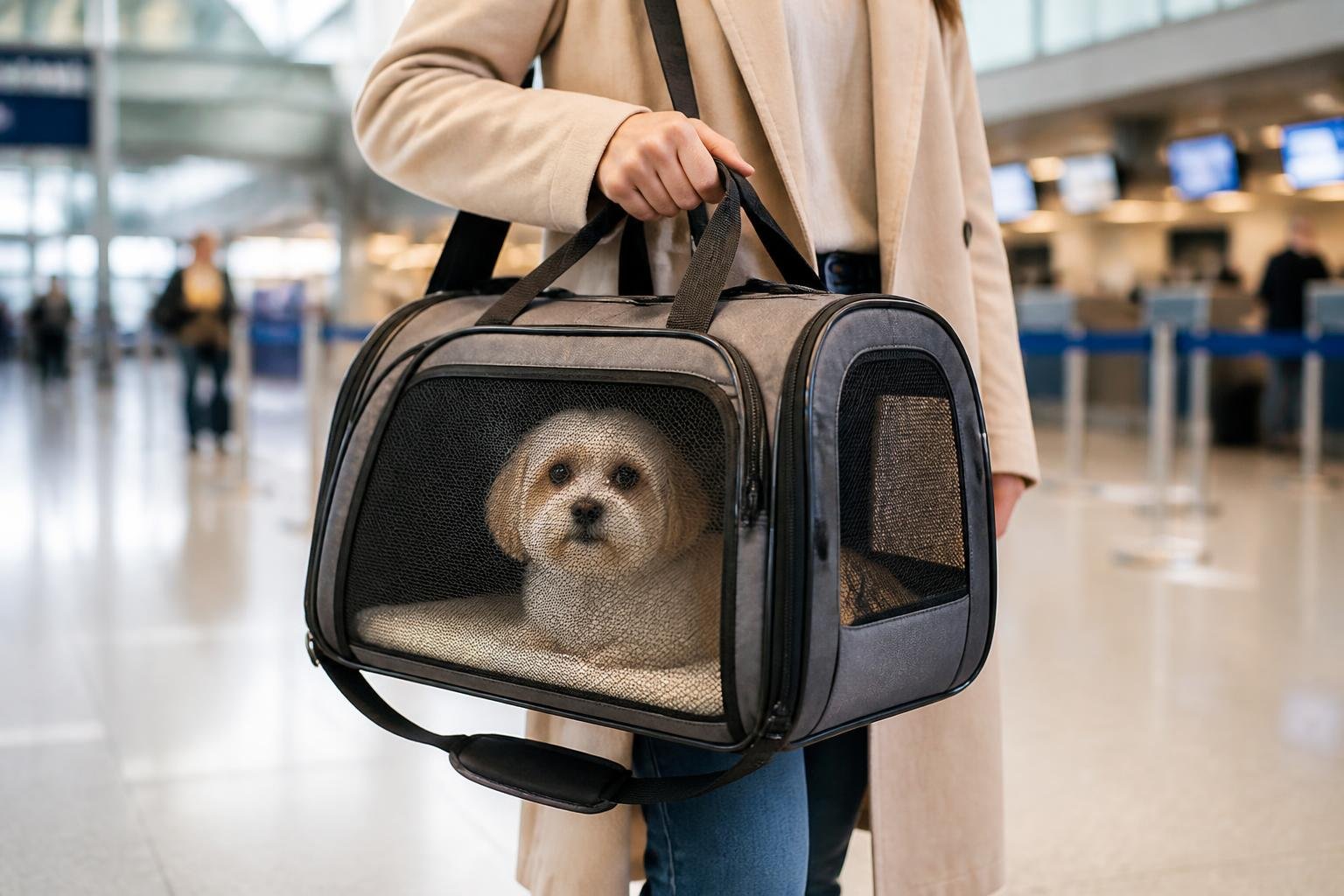
The key to stress-free cabin travel is not finding a carrier stamped with the right label; it is knowing your airline's exact size limit, measuring your dog correctly, and choosing a carrier that fits both. This guide breaks down what "airline approved," "TSA approved," and "in-cabin compliant" actually mean, walks you through measuring and choosing the right carrier, and covers every step from booking to boarding. Rover Ready built its Airline Size Guide around this exact problem, helping you compare carrier dimensions to real cabin requirements before you buy. If you want to skip the guesswork, explore the size-comparison tools and curated travel gear at Rover Ready to start planning with more confidence.
Key Takeaways
- No single official "airline approved" certification exists, so you need to check each airline's specific carrier size limits before purchasing.
- Measuring your dog and comparing those measurements to under-seat dimensions is more reliable than trusting marketing labels.
- Soft-sided carriers with good ventilation, secure closures, and flexible structure give you the best chance of a smooth travel day.
What These Labels Really Mean
The phrases "airline approved," "TSA approved," and "in-cabin compliant" sound official but carry very different meanings. None of them come from a single governing body that certifies pet carriers for cabin travel.
Why "Airline Approved" Is Not a Universal Standard
There is no single "FAA-Approved" or "IATA-Certified" stamp for in-cabin pet carriers. When a brand labels a carrier "airline approved," it typically means the product was designed to meet the common size and safety requirements shared by most major U.S. airlines.
Each airline sets its own maximum dimensions. A carrier that fits on Delta may be too tall for a regional jet on American. The label is a design guideline, not a guarantee.
What "TSA-Approved" Usually Refers To
TSA does not certify or approve pet carriers. The term "TSA approved" generally means a carrier meets size and safety expectations that allow it to pass through the security screening process without issues.
At the TSA checkpoint, your dog comes out of the carrier, and the empty carrier goes through the X-ray belt. TSA's concern is security screening, not whether the carrier fits under a seat. That part is entirely up to the airline.
How In-Cabin Pet Requirements Differ by Airline and Aircraft
Every airline publishes its own pet policy covering carrier size limits, weight caps, breed restrictions, fees, and how many pets are allowed per cabin. Some airlines cap the combined weight of your pet and carrier at 20 pounds. Others allow up to 25 pounds.
Aircraft type matters too. A bulkhead row or a smaller regional plane may have less under-seat clearance than a wide-body jet. Always check the specific aircraft assigned to your route, not just the airline's general policy, before committing to a carrier.
How to Tell if a Carrier Will Fit Under the Seat
Fitting under the seat is the single requirement that determines whether your dog stays with you in the cabin. The right approach combines knowing standard size ranges, measuring your dog accurately, and choosing a carrier style that compresses to clear tight spaces.
Typical Cabin Size Ranges to Expect
Most U.S. airlines allow in-cabin pet carriers around 18 inches long by 11 inches wide by 11 inches high. Some airlines are slightly more generous, while others are stricter. Here is a snapshot of common limits:
| Airline | Typical Max Dimensions (L x W x H) |
|---|---|
| Delta | 18" x 11" x 11" |
| United | 18" x 11" x 11" |
| American | 19" x 13" x 9" |
| Southwest | 18.5" x 8.5" x 13.5" |
| JetBlue | 17" x 12.5" x 8.5" |
These numbers change, so always confirm directly with the airline before your trip.
How to Measure Your Dog for Safe In-Cabin Travel
Your dog needs enough room to stand up, turn around, and lie down inside the carrier. Measure your dog's length from nose to base of tail and height from paw to the top of the head or ears while standing. Add one to two inches to each measurement for comfort.
As one practical guide notes, you should buy a carrier about 1 to 1.5 inches smaller than the airline's maximum height limit. Soft carriers tend to bow slightly under your dog's weight, and that extra margin keeps you from being turned away at the gate.
Why Soft-Sided Designs Usually Work Best
Hard-sided carriers hold their shape no matter what, which means they cannot compress to squeeze into a tight under-seat space. A soft-sided pet carrier flexes enough to slide in smoothly, even on aircraft with smaller clearances.
Soft-sided designs are also lighter, easier to carry, and often collapse flat for storage after your trip. For in-cabin travel, they are the standard recommendation from most airlines and experienced pet travelers.
Features That Matter Most on Travel Day
A carrier's real value shows up when you are moving through security, settling into your seat, and keeping your dog calm for hours. Focus on ventilation, secure closures, and airport-friendly carrying options to avoid problems mid-trip.
Ventilation, Structure, and Flexible Sizing
Mesh ventilation panels on at least two or three sides are essential. They keep air circulating and help your dog regulate body temperature during the flight. According to The Spruce Pets, a structured but flexible build with machine-washable linings makes travel day significantly easier.
Some carriers include an expandable section you can unzip during layovers to give your dog more room. When it is time to board, the carrier zips back to standard size. This feature adds flexibility without affecting cabin compliance.
Secure Closures, Leash Tether, and Interior Safety
Zippers should be lockable or have snap closures so your dog cannot paw them open. A built-in leash tether anchored inside the carrier lets you clip your dog's harness for an extra layer of security when opening the carrier for water or a quick check.
Look for a removable, washable interior pad. Accidents happen, especially with anxious flyers, and a quick-clean interior saves you from dealing with odor for the rest of the trip.
Access, Storage, and Airport-Friendly Carry Options
Top and side entry points make it easier to get your dog in and out, especially at the TSA checkpoint where you need to remove your pet quickly. External pockets let you stash boarding passes, treats, and waste bags without juggling a separate bag.
A trolley sleeve that slides over your luggage handle is a practical feature for long airport walks. Some carriers also offer a padded shoulder strap for hands-free carrying during boarding.
Comparing Popular Carrier Styles and Notable Models
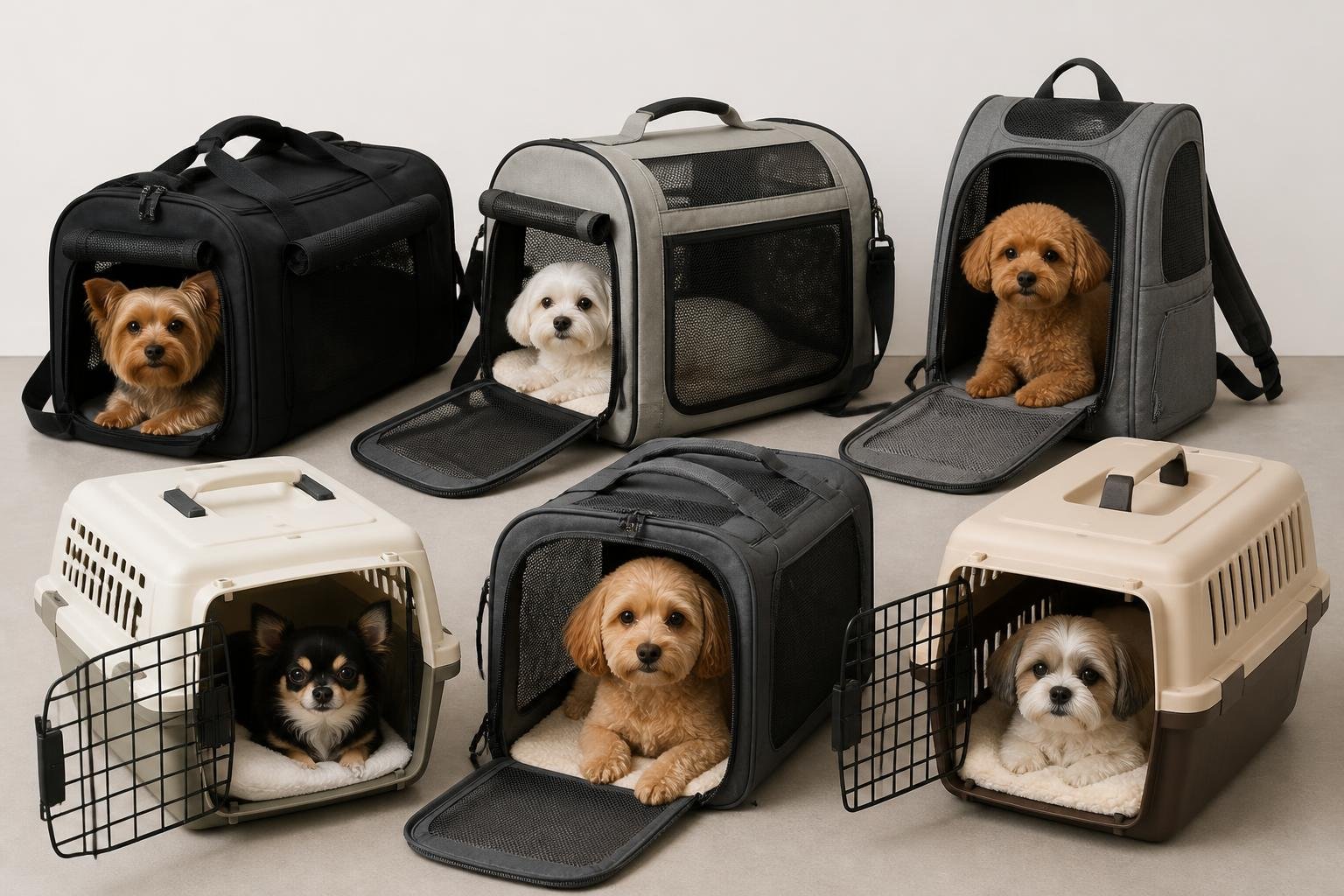
The market includes everything from budget-friendly basics to premium carriers with car-seat functionality. Your best pick depends on how often you fly, your dog's size and temperament, and whether you also need road-trip versatility.
When an Expandable Design Makes Sense
An expandable pet carrier works well for layovers and gate waits when your dog needs to stretch out. Models like the Petsfit Expandable Pet Carrier unzip on one or both ends for extra space, then compress to meet airline dimensions when boarding starts.
If your flights are short and direct, a standard fixed-size carrier may be all you need. Expandable designs add slight bulk, so weigh that trade-off before buying.
Stylish Premium Picks Versus Practical Budget Options
Premium carriers like the Away Pet Carrier and Wild One Travel Carrier feature higher-end materials, refined designs, and extras like tracking device pockets. The Away Pet Carrier has earned praise for combining style with solid functionality across major airlines.
On the budget side, the Sherpa Original Deluxe Travel Pet Carrier remains a popular choice with a firm bottom, three mesh walls, and a price point well below most premium options. It supports pets up to 22 pounds and includes both a top handle and shoulder strap.
Examples Travelers Commonly Consider
Here are carriers that frequently appear in traveler reviews and expert roundups:
- Sherpa Original Deluxe: Budget-friendly, puncture-resistant mesh, collapsible
- Sleepypod Air: Compact, well-ventilated, trusted for under-seat compliance
- Away Pet Carrier: Stylish, durable, trolley-compatible
- Wild One Travel Carrier: Modern design, lightweight materials
- Petsfit Expandable: Zippered expansion panels for layover comfort
- Gunner G1 Kennel: Heavy-duty, crash-tested, designed for cargo hold travel with larger dogs
The Gunner G1 Kennel is worth noting if your dog exceeds cabin size limits. It is built for the cargo section with rotomolded double walls for impact protection and temperature regulation, though it requires cargo booking.
Booking and Airport Steps That Prevent Problems
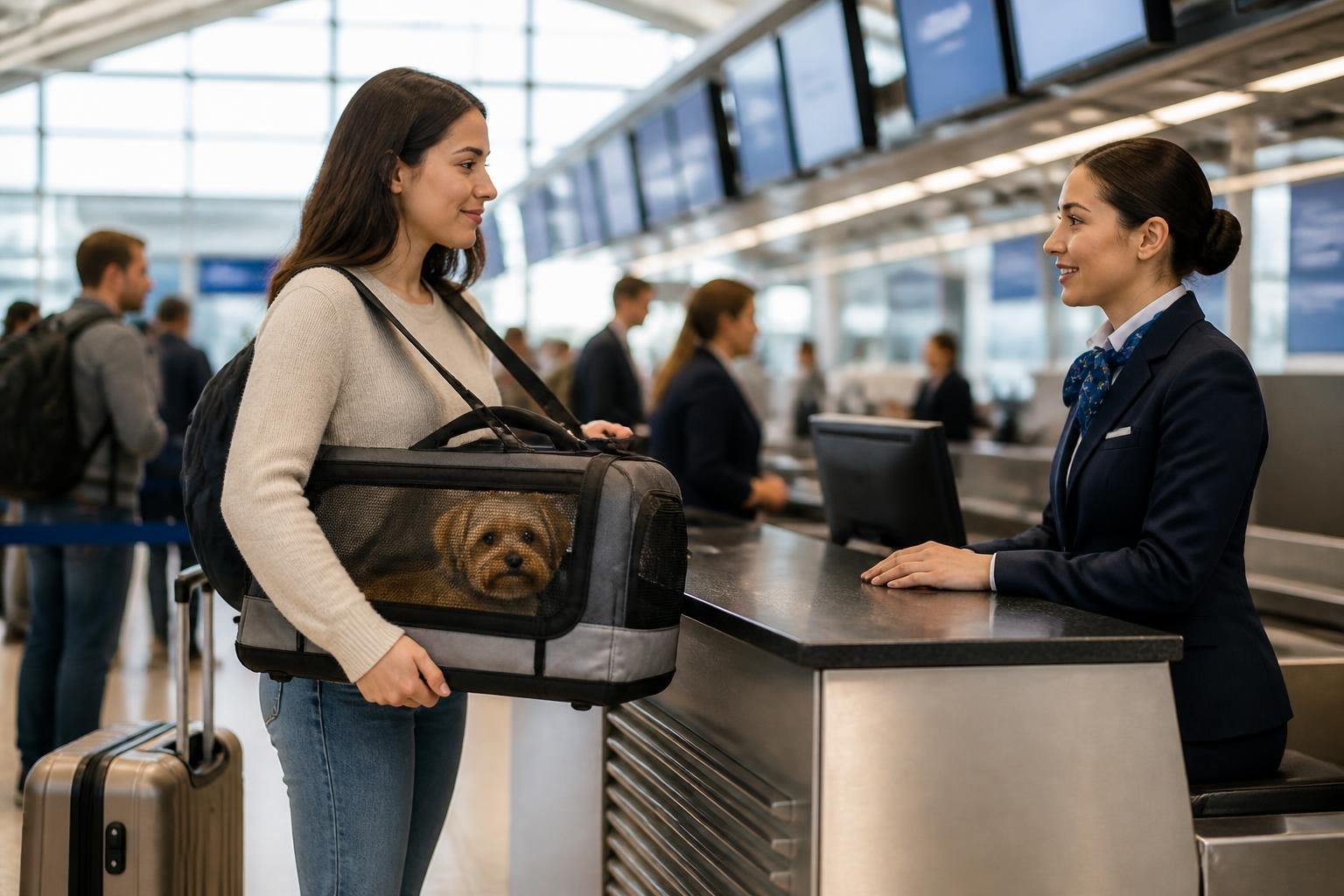
A compliant carrier only gets you halfway. The other half is handling the reservation, security, and boarding process correctly. A few simple steps before and during travel day eliminate most of the surprises.
Checking Airline Pet Policies Before You Buy
Call the airline or check its pet policy page before purchasing a carrier. Confirm these details:
- Maximum carrier dimensions for your specific route and aircraft
- Combined pet-and-carrier weight limit
- In-cabin pet fee (typically $95 to $200 one-way on U.S. airlines)
- Number of pets allowed per cabin (spots fill up fast)
- Breed or snub-nose restrictions
Reserve your pet's spot when you book your ticket. Most airlines limit the number of in-cabin pets per flight, and these slots can sell out.
What to Expect at Security and Boarding
At the TSA checkpoint, you will remove your dog from the carrier and carry or walk the dog through the metal detector. The empty carrier goes through the X-ray machine. Have your dog on a leash or in your arms so they do not bolt.
At the gate, a crew member may check that the carrier fits under the seat. Keep the carrier zipped and your dog inside from boarding through landing, unless a crew member tells you otherwise.
Simple Pre-Flight Prep to Reduce Stress
Take these steps in the days before your flight:
- Let your dog spend time in the carrier at home so it feels familiar
- Line the carrier with an absorbent pad in case of accidents
- Bring a small bag of treats and a collapsible water dish
- Skip large meals right before the flight to reduce nausea risk
- Arrive early to handle check-in and security without rushing
A calm, prepared approach makes the biggest difference for both you and your dog.
How Rover Ready Helps You Choose With More Confidence
Picking the right carrier means matching your dog's measurements and your airline's size limits to a specific product. Rover Ready was built to simplify exactly that process, so you are not left guessing at the checkout page or the boarding gate.
Using Size Comparison Guidance Before You Travel
Rover Ready's Airline Size Guide lets you compare common carrier dimensions against the requirements of major airlines. Instead of clicking through multiple airline websites and carrier product pages, you get a side-by-side view that shows whether a carrier will fit your route.
This kind of comparison tool saves time and reduces the chance of buying a carrier that fails on travel day.
Matching Carriers to Comfort and Safety Priorities
Comfort and safety go beyond size compliance. Rover Ready curates travel-ready carriers with attention to ventilation, secure closures, interior padding, and soft-sided flexibility. The focus is on helping you find a carrier that keeps your dog safe and calm, not just one that technically fits.
If your dog is an anxious traveler, carrier features like blackout panels, removable washable pads, and interior leash tethers become more important than aesthetics.
Planning Beyond the Flight With Road Trip Essentials
Many trips do not end at the airport. Rover Ready also covers car travel safety, including carriers that double as car seats and road trip essentials for dogs. This makes it easier to plan a complete travel setup instead of piecing together separate gear from different places.
Whether you are flying into a vacation destination and renting a car or taking a cross-country drive, having one resource for both air and ground travel gear keeps the process simple.
Frequently Asked Questions
What size pet carrier will fit under an airplane seat?
Most airlines require in-cabin carriers to be approximately 18 inches long by 11 inches wide by 11 inches high, though limits vary by airline. Always confirm the exact dimensions with your airline before purchasing, because under-seat clearance also changes based on aircraft type.
How do I measure my dog to choose the correct in-cabin carrier size?
Measure your dog's length from nose to the base of the tail, and height from paw to the top of the head while standing. Add one to two inches to each measurement for comfort, and choose a carrier that provides that space while still fitting within your airline's size limits.
Do airlines require a pet to be able to stand up and turn around inside the carrier?
Yes. Most airlines and veterinary experts agree that your pet should be able to stand up, turn around, and lie down comfortably inside the carrier. A carrier that is too small can cause stress and may be rejected at the gate.
Which airlines allow dogs to travel in the cabin, and how do their rules differ?
Major U.S. airlines like Delta, United, American, Southwest, and JetBlue all allow small dogs in the cabin, but each has different size limits, weight caps, breed restrictions, and fees. Some airlines restrict snub-nosed breeds entirely. Always check your specific airline's pet policy page before booking.
What are the typical in-cabin pet carrier size limits for major airlines like United?
United typically allows in-cabin carriers up to 18 inches long by 11 inches wide by 11 inches high. Other airlines have similar but not identical limits. For example, American allows up to 19 by 13 by 9 inches, which is wider but shorter in height. Check dimensions for every airline you are considering.
What documents, fees, and check-in steps are required when flying with a dog in the cabin?
Most U.S. airlines charge a one-way pet fee ranging from $95 to $200. You will typically need to add your pet to the reservation by phone or during booking, bring a health certificate if required, and check in at the counter to confirm your pet's spot. Arrive early to allow time for any additional paperwork or carrier inspections.


