

Tote Bag, Dog Tote Bag Carrier, Pet Carrier Tote Bag Guide
A tote bag, dog tote bag carrier, or pet carrier tote bag can be a smart choice when you need something lighter and less bulky than a crate or roller. If you carry a small dog on errands, to the vet, or through an airport, the right tote can feel simple and secure.
The wrong one can sag, trap heat, or leave you guessing about airline fit.
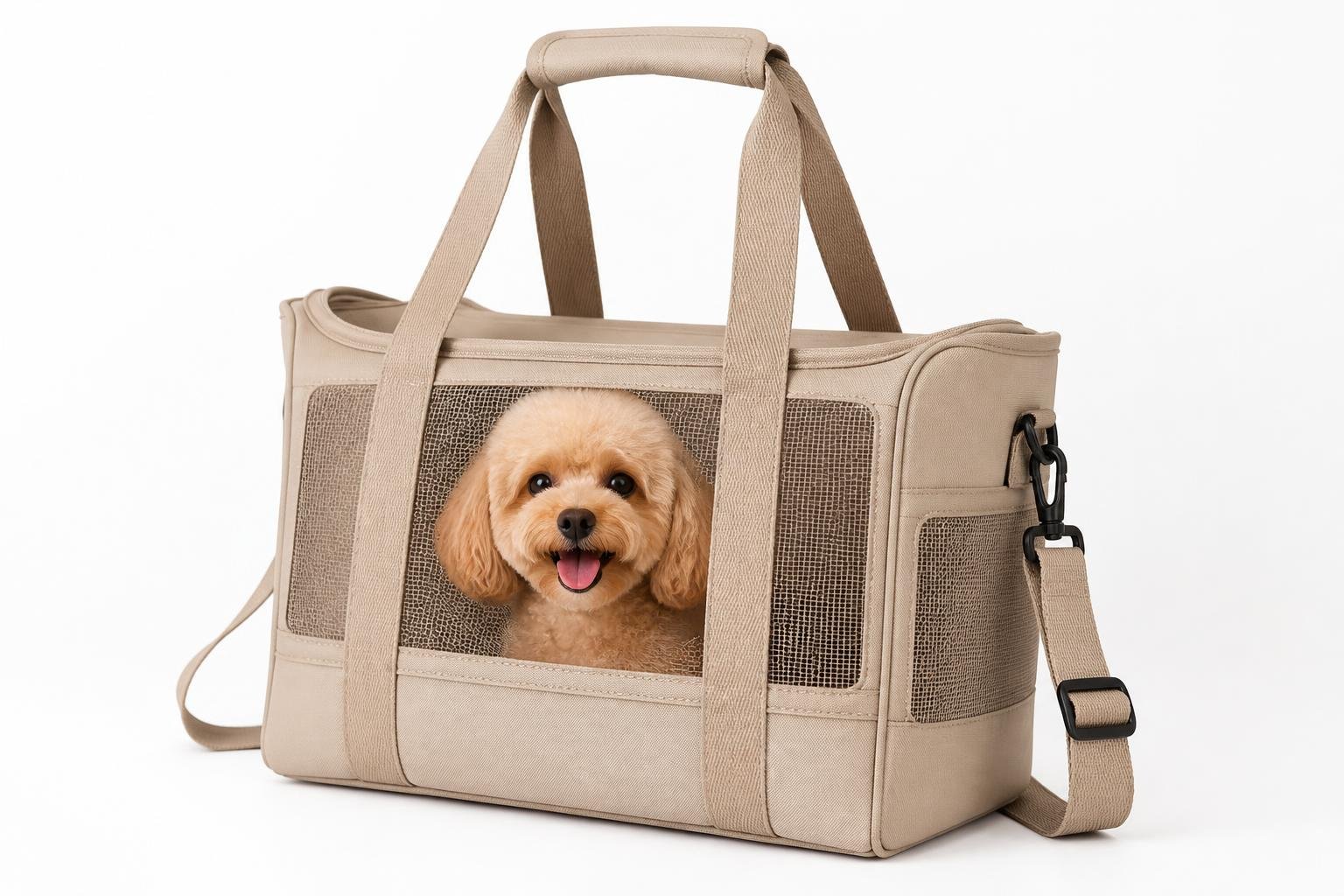
The best tote-style dog carrier is the one that fits your dog’s body, supports your dog’s weight, and matches how you actually travel.
At Rover Ready, the focus is practical: helping you stop guessing about fit, comfort, and under-seat confidence before travel day. If you want help narrowing down airline-ready options or comparing common cabin sizing, you can explore Rover Ready’s guides or reach out at craig@roverreadyco.com or 803-630-1451.
Key Takeaways
- A tote carrier works best for small dogs and short to moderate outings.
- Fit, ventilation, and structure matter more than style alone.
- Airline claims mean little until you compare your carrier and your dog to real limits.
How to Choose the Right Tote Style First
A tote-style dog carrier should suit both your dog and your routine. In real use, the details that matter most are size, structure, airflow, and safe handling when your dog shifts weight or gets restless.
Match the Carrier to Your Dog’s Size and Temperament
Small dogs that stay calm when carried usually do best in a tote. Many retail listings place tote and purse-style options in the small-dog range, often around 9 to 15 pounds, as you can see across dog carrier tote bag listings and dog carrier purse examples.
Weight is only part of the picture. Your dog should be able to lie down, turn slightly, and stay settled without pressing against the top or sides.
If your dog startles easily, paws at zippers, or hates confinement, a tote may not be the best starting point.
Check Structure, Ventilation, and Entry Design
A soft tote should still have shape. The better ones have a firm base, reinforced side panels, and mesh windows or openings that keep air moving.
Top entry is useful for calm dogs. Side entry often feels easier when loading a nervous dog because you are not lowering your dog straight down into the bag.
I would skip any tote that collapses fully when empty. That usually means weak support once your dog is inside.
Look for Safety Features That Matter in Daily Use
A secure zipper, an interior leash tether, and stable handles are basic must-haves. Some everyday tote designs also add hard-bottom support and pockets, which are common in small dog tote carrier options.
Check how the straps are sewn into the body of the carrier. If the stitching looks thin or decorative, it may not hold steady during longer carries.
When a Tote Works Best for Travel
A tote is not the best answer for every trip. It shines when your dog is small, your travel time is limited, and you need a carrier that is easy to lift, set down, and store.
Everyday Outings, Vet Visits, and Urban Errands
Totes are especially useful for short city trips, indoor errands, and waiting rooms. Rover notes that dog tote bags are ideal for short trips and are typically suited to smaller pups.
A tote is quick to grab, easier than a crate in tight spaces, and less awkward in elevators, sidewalks, and store entrances.
Short Flights and Under-Seat Considerations
Some tote-style carriers are labeled airline approved, including many sold through retail airline-approved carrier collections and specialty shops with airline approved travel carriers.
That label is not enough on its own. Your dog still needs room to stay safely inside, and the carrier has to flex under the seat if the airline uses tighter cabin dimensions.
For flights, soft-sided totes tend to work better than rigid fashion carriers.
Road Trips and Passenger-Seat Practicality
A tote can be practical in the car for short rides, especially when you need to move your dog from house to car to destination without switching gear. Soft-sided models are also common in pet carrier collections built for car use.
For safety, do not treat a loose tote like a restraint system. If you travel by car often, look for a carrier that can be secured, or consider a crash-tested harness or a more structured car-friendly carrier instead.
Fit, Comfort, and Airline Readiness
Good fit starts with your dog, not the product title. If you want a carrier that works on travel day, you need to measure carefully and think about how the bag behaves when it is actually occupied.
Measure Your Dog Before You Shop
Measure your dog’s length from chest to rear, shoulder height, and current weight. Then compare those numbers to the interior dimensions, not just the outside of the bag.
Leave room for a natural curl-up position. A dog that barely fits while standing at home will not be comfortable after 30 minutes in a terminal or waiting area.
Compare Soft-Sided Flexibility vs Structured Sides
Soft-sided carriers can compress slightly to fit under many airline seats. That is one reason they are so common in tested dog travel carrier roundups.
Structured totes feel neater and may look better for daily use. For flying, too much structure can work against you if the seat space is lower than expected.
The sweet spot is a soft-sided dog carrier with a supportive base and flexible upper panels.
Use Rover Ready’s Airline Size Guidance to Reduce Guesswork
Airline compatibility is where many buyers get tripped up. Carrier dimensions, your dog’s seated posture, and the airline’s under-seat space all matter.
Rover Ready’s airline size guidance is useful because it helps you compare common cabin requirements before you buy. That kind of side-by-side check is much more reliable than trusting a single marketplace description that says “airline approved.”
Features Worth Paying For
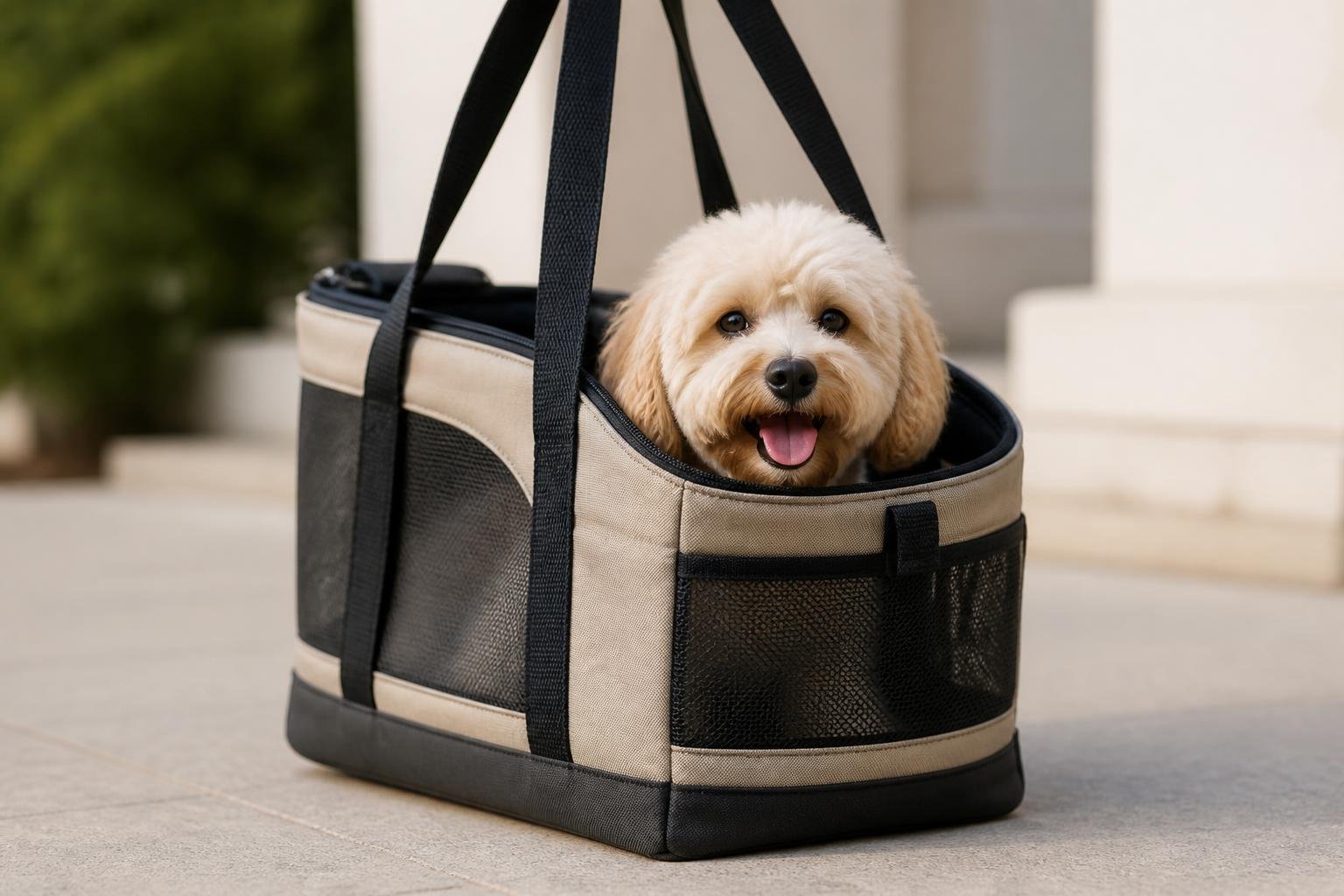
Some features are worth the extra cost because they improve comfort, cleanup, and carrying stability. If you want your dog carrier to hold up over time, focus on function before add-ons that only look nice in a product photo.
Washable Liners, Padding, and Weather-Resistant Materials
A removable liner is one of the best features you can get. It makes cleanup easier after accidents, wet paws, or shed hair.
Padding should support your dog without trapping too much heat. Water-resistant nylon or coated fabric is useful for daily use, and you can see this material choice in many dog tote and travel bag options.
Storage Pockets, Leash Tethers, and Closures
External pockets help you keep treats, waste bags, and paperwork in one place. An interior tether gives you one more layer of security when opening the top.
Look closely at closures. A zipper closure is usually more secure than an open-top design or magnetic snap, even if the tote is sold as a fashion-forward account of convenience and style.
Lightweight Carry Options and Shoulder Comfort
A tote that is too heavy before your dog gets inside is a poor buy. Wide straps, padded shoulder sections, and balanced handle placement matter more than decorative trim.
If you carry your dog for more than 10 minutes at a time, test the strap drop. A narrow strap digs in fast, especially if your dog leans to one side.
Common Buying Mistakes to Avoid
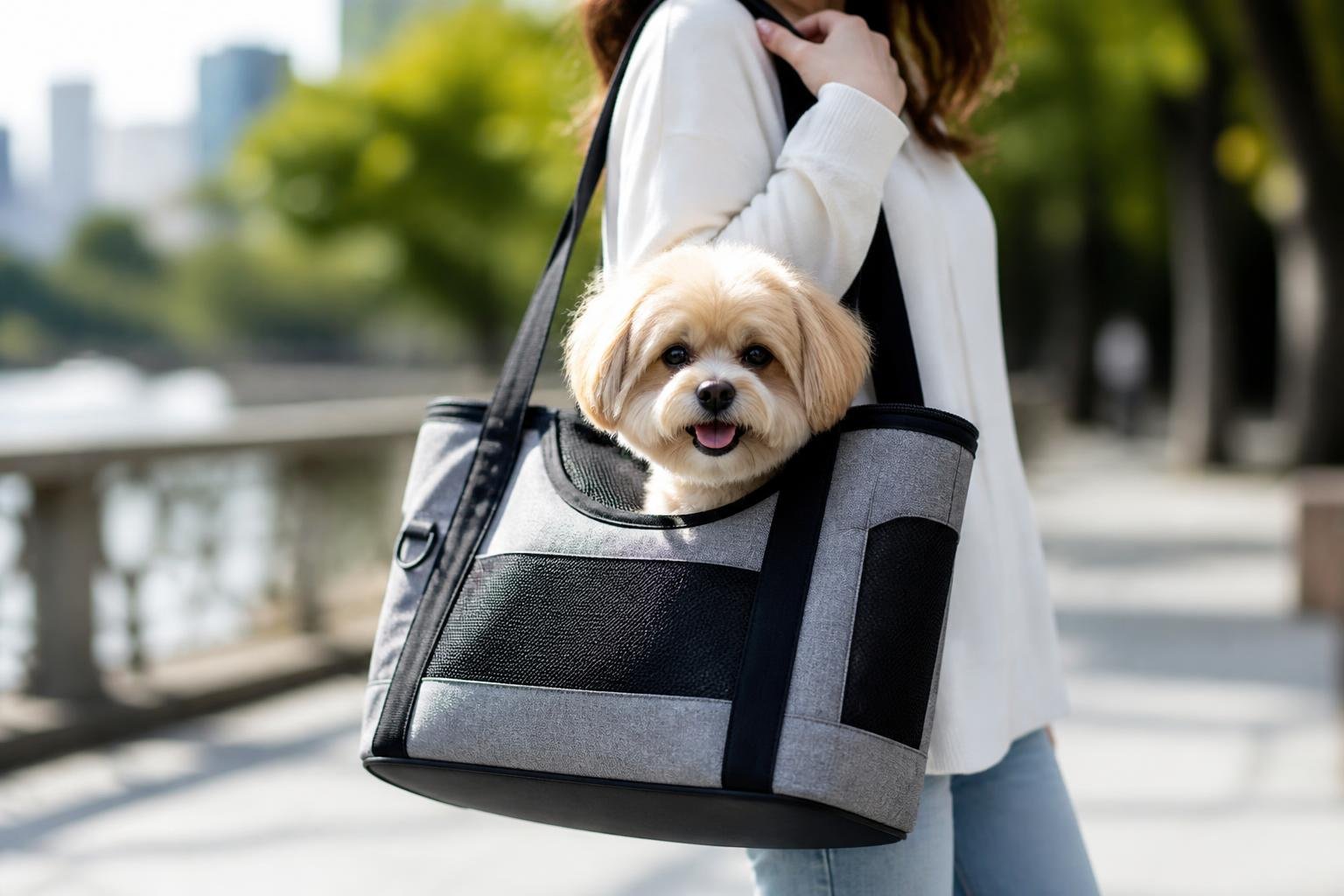
Most bad carrier purchases happen for the same few reasons. Shoppers trust appearance, vague product claims, or account-level reviews more than hard measurements and practical testing.
Choosing by Looks Instead of Travel Function
Some tote carriers look polished and discreet, which is appealing. A few stylish brands even market totes as lifestyle pieces, like these designer-style carrier collections.
Style is fine if the bag still gives your dog airflow, a stable floor, and secure closure. If it looks like a purse first and a carrier second, check it carefully.
Ignoring Weight Limits and Interior Space
A 12-pound limit does not mean every 12-pound dog will fit. Body length, chest width, and coat bulk change how usable the interior space feels.
If your dog’s back presses the top panel or your dog cannot settle, the carrier is too small.
Assuming Online Listings Mean True Airline Compatibility
“Airline approved” is often used loosely in online listings, including marketplace listings that mention under-seat use.
Treat that claim as a starting point, not proof. You still need to compare dimensions, check your airline’s current rules, and make sure your dog can ride safely inside for the full travel period.
Rover Ready’s Practical Shopping Checklist
A quick checklist can save you from buying the wrong dog carrier and finding out too late. The goal is simple: make sure the tote works with your dog, your trip, and your handling needs before travel day.
Questions to Ask Before You Buy
Ask yourself:
- Can your dog stand, turn slightly, and lie down inside?
- Does the tote have mesh ventilation on more than one side?
- Is there a tether, full zipper closure, and reinforced base?
- Are the listed dimensions interior or exterior?
- Will the carrier fit your airline’s under-seat limits if you plan to fly?
If any answer is unclear, keep looking.
What to Test at Home Before Travel Day
Put a towel or liner inside and let your dog spend a few short sessions in the carrier at home. Then carry your dog around the house, load into the car, and set the bag under a chair or table to mimic tight travel spaces.
This is where weak straps, awkward entry, or poor balance become obvious. It is much better to catch that early.
When to Choose a Different Carrier Format Instead
Choose a backpack or more structured dog carrier if your dog is heavier or more active. Opt for these if you need hands-free movement.
Choose a roller if you have long airport walks or shoulder strain.
If your main concern is flying, a purpose-built soft-sided airline carrier often beats a fashion tote. Rover Ready’s focus on airline approved dog carriers is useful for this reason.
Frequently Asked Questions
What size and weight limits should I look for when choosing a carrier for my dog?
Start with your dog’s actual measurements and weight. Compare them to the carrier’s interior dimensions and listed limit.
For most tote styles, small dogs under about 15 pounds are the common fit range. Body shape matters as much as weight.
How can I tell if a pet carrier will be comfortable and safe for my dog during longer outings?
Look for a firm base and enough room to reposition. Mesh ventilation and a soft washable liner are also important.
A short at-home test carry will tell you a lot. Your dog should settle quickly and the bag should not sag.
Which features matter most for ventilation and security in a soft-sided pet carrier?
Mesh panels, secure zippers, and an interior leash tether matter most. Good airflow helps prevent overheating.
Secure closures reduce the chance of your dog pushing out during loading or stops.
What makes a pet carrier suitable for airline travel, and how do I check compliance?
A suitable airline carrier is usually soft-sided and well-ventilated. It should fit under the seat while still fitting your dog safely.
Check your airline’s current pet carrier rules. Compare those numbers with the carrier dimensions and your dog’s size rather than trusting the product label alone.
How do I clean and maintain a fabric pet carrier to keep it odor-free and hygienic?
Remove and wash the liner often. Wipe interior surfaces and let the carrier dry fully before storing it.
Vacuum out hair and crumbs. Spot-clean straps and corners where dirt tends to collect.
What’s the best way to organize and carry essentials like treats, water, and waste bags while traveling with a dog?
Use exterior pockets for the basics: treats, waste bags, paperwork, and a collapsible bowl.
Keep heavier items low and balanced so the tote does not pull to one side while you carry your dog.


