

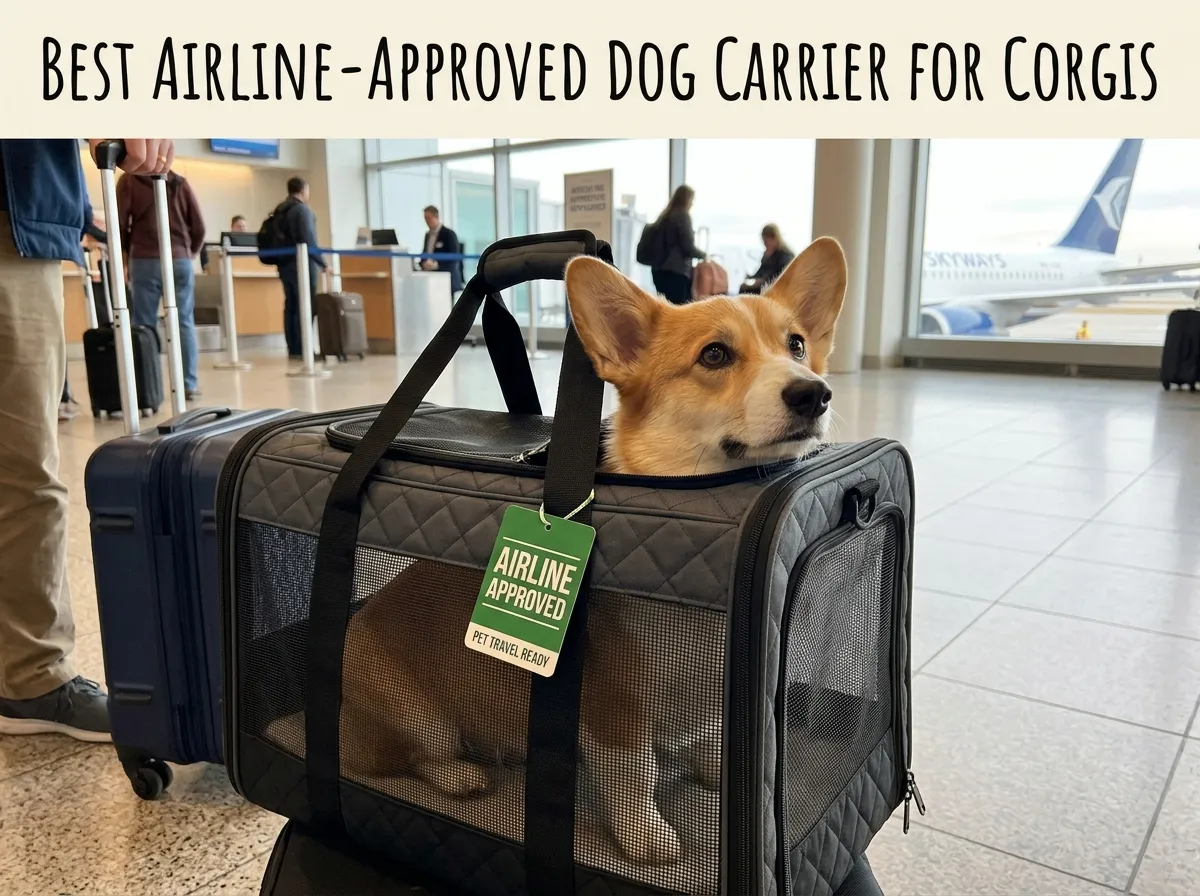
By Craig Roberts, Rover Ready Co
Traveling with a dog requires planning to maintain the animal’s comfort and safety during air travel. This article evaluates airline-approved carriers and practical travel measures to support an orderly in-cabin experience. It details carrier features, comfort practices, and essential items to bring so you and your pet complete the journey with minimal disruption.
Key Takeaways
- Airline-approved dog carriers must meet specific size, ventilation, and safety requirements for in-cabin air travel.
- Proper ventilation panels and comfort padding in carriers help keep dogs cool and reduce travel anxiety.
- Soft-sided carriers offer lightweight, flexible options with better airflow and padded interiors for pet comfort.
- Measuring your dog’s length, height, and width ensures selecting a carrier that fits airline regulations and your pet.
- Bringing familiar items and monitoring your dog during the flight enhances their comfort and reduces stress.
- Different airlines have unique carrier size limits; always verify requirements before traveling to avoid issues.
- Under-seat carriers provide safety, comfort, and easy monitoring by fitting securely under the airplane seat.
- Staying updated on airline pet policies through official websites and forums ensures compliance and smooth travel.
- Preparing documentation and familiarizing your dog with the carrier before the trip helps ensure a calm journey.
Features of Airline-Approved Dog Carriers:
Airline-approved carriers incorporate design elements intended to improve pet safety and comfort during flight. Typical features include ventilation panels, secure safety straps, and internal padding that support temperature control, containment, and rest.
- Ventilation Panels: Proper airflow is essential for your dog's comfort. Carriers with ventilation panels allow for adequate airflow, helping to keep your pet cool and comfortable during the flight.
- Safety Straps: These straps secure your pet inside the carrier, preventing any sudden movements that could cause stress or injury during turbulence.
- Comfort Padding: Soft padding inside the carrier provides a cozy space for your dog to rest, reducing anxiety and making the travel experience more enjoyable.
These features support regulatory compliance while prioritizing the pet’s welfare throughout transit.
Benefits of Using Airline-Approved Dog Carriers:
Using an approved carrier reduces procedural risk at the airport and provides operational benefits for the owner and the animal. Approved models meet dimensional standards, incorporate safety closures, and are engineered for easier handling in travel environments.
- Guaranteed Compliance with Airline Regulations: Airline-approved carriers meet specific size and safety requirements, ensuring you won't face issues at the airport.
- Enhanced Safety Features: With built-in safety straps and secure closures, these carriers provide peace of mind that your pet is safe during the flight.
- Convenience for Pet Owners: Many airline-approved carriers are designed for easy transport, making it simpler to navigate through airports and boarding processes.
Selecting an appropriate carrier reduces stress and streamlines the travel process.
Tips for Keeping Dogs Comfortable in-Cabin:
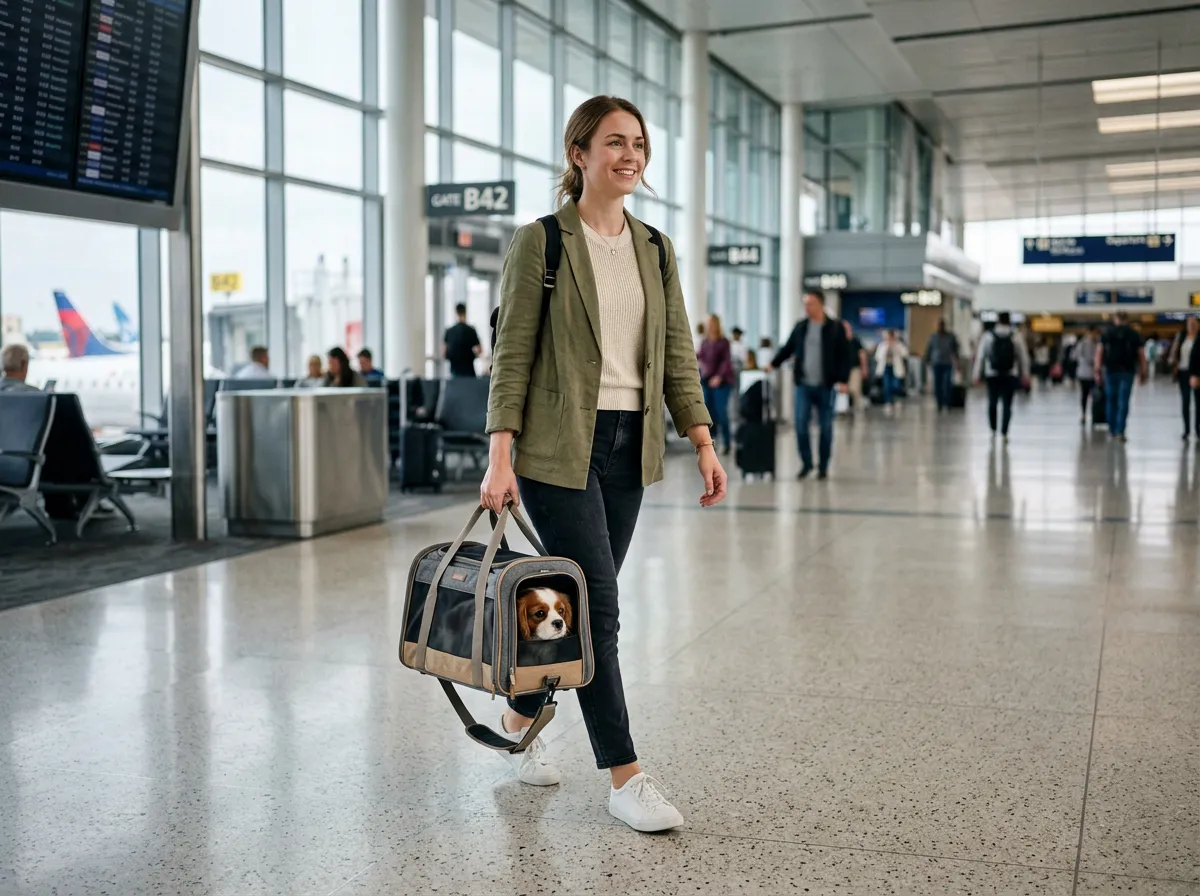
Maintain your dog’s comfort by applying deliberate preparation and in-flight monitoring. The following practices reduce anxiety and support the animal’s physical needs during travel.
- Familiarization with the Carrier: Before the trip, allow your dog to explore and get comfortable with the carrier. This can help reduce anxiety on the day of travel.
- Packing Comfort Items: Bring along familiar items such as a favorite blanket or toy to provide comfort and a sense of security for your dog during the flight.
- Monitoring Your Pet During the Flight: Keep an eye on your dog throughout the journey. If they seem anxious, speak to them in a calm voice to reassure them.
Apply these measures to improve the animal’s comfort and reduce stress during the flight.
What Are Airline Pet Carrier Size Requirements for In-Cabin Travel?
Carrier dimensions for in-cabin travel are specified by each airline and generally require the carrier to fit under the seat in front of the passenger. Common limits provide a baseline but must be confirmed with the carrier airline.
- General Dimensions: Most airlines allow carriers that are approximately 18-20 inches long, 11-14 inches wide, and 9-11 inches high.
- Specific Airline Requirements: Each airline may have its own guidelines, so it's essential to check with your airline before traveling.
- Weight Limits for Pets: Many airlines impose weight limits, typically around 15-20 pounds, including the carrier.
Verify carrier dimensions and weight limits with the airline in advance to avoid boarding issues.
How to Measure Your Dog for the Correct Carrier Size
Accurate measurements ensure the selected carrier provides sufficient space. Record length, standing height, and the animal’s widest body dimension, then compare those values against carrier specifications.
- Length Measurement: Measure your dog from the tip of the nose to the base of the tail.
- Height Measurement: Measure from the ground to the top of the dog's head while standing.
- Width Measurement: Measure the widest part of your dog, usually across the chest.
Compare these measurements to carrier dimensions to confirm a compliant and comfortable fit.
Which Airlines Have Specific Carrier Dimension Guidelines?
Airlines publish their carrier dimension requirements; examples below illustrate common limits. Always confirm the current specifications with the airline prior to travel.
- American Airlines: Accepts carriers up to 19" x 13" x 9".
- Delta Airlines: Allows carriers up to 18" x 11" x 11".
- Southwest Airlines: Permits carriers up to 18.5" x 8.5" x 13.5".
Confirm the latest airline guidelines before departure to prevent last-minute issues.
How to Choose the Best Dog Carriers for Flights to Maximize Comfort
Select carriers that comply with airline size rules, are constructed from durable, lightweight materials, and include secure closures, ventilation, and padding to protect the animal and facilitate handling.
- Size Requirements: Ensure the carrier meets the airline's size specifications for in-cabin travel.
- Material Considerations: Opt for carriers made from durable, lightweight materials that provide comfort and safety.
- Safety Features: Look for carriers with safety straps, secure closures, and ventilation to keep your pet safe and comfortable.
Prioritize these criteria to select a carrier that supports comfort and compliance.
Benefits of Soft Sided Carriers for In-Cabin Pet Travel
Soft-sided carriers provide a balance of flexibility, reduced weight, and enhanced ventilation compared with rigid alternatives, and they commonly include interior padding for rest.
- Lightweight and Flexible: Soft-sided carriers are generally lighter than hard-sided options, making them easier to carry.
- Better Ventilation: Many soft-sided carriers feature mesh panels that provide excellent airflow, keeping your pet comfortable.
- Comfort Features: These carriers often come with padded interiors, ensuring your dog has a cozy space to rest during the flight.
Soft-sided designs are appropriate when flexibility, airflow, and ease of transport are priorities.
Key Comfort Features to Look for in Airline Approved Dog Carriers
Assess carriers for multiple ventilation panels, reliable safety straps or closures, and adequate internal padding to ensure the animal’s comfort and safety during transit.
- Ventilation: Look for carriers with multiple ventilation panels to ensure proper airflow.
- Safety Straps: Ensure the carrier has safety straps to secure your pet during the flight.
- Comfort Padding: Choose carriers with soft, padded interiors to provide a comfortable resting space for your dog.
These features contribute directly to a safer and more comfortable travel environment for the pet.
What Are Essential Dog Travel Comfort Tips for In-Cabin Flights?
Prepare essential supplies, control exposure to extreme temperatures, and maintain hydration before and between flight segments to support the animal’s physical needs.
- Packing Essentials: Bring along necessary items such as food, water, and a portable bowl to keep your dog hydrated and fed during the journey.
- Temperature Control: Ensure your dog is not exposed to extreme temperatures, as this can cause discomfort.
- Hydration Strategies: Offer water to your dog before the flight and during layovers to keep them hydrated.
Implement these measures to reduce discomfort and maintain the pet’s well-being during travel.
How to Keep Your Dog Calm and Comfortable During Air Travel
Reduce anxiety through carrier familiarization, a composed owner presence, and continual monitoring. These actions help maintain a stable environment for the dog during flights.
- Familiarization with the Carrier: Allow your dog to spend time in the carrier before the trip to reduce anxiety.
- Calm Demeanor of the Owner: Your calmness can help reassure your dog. Speak softly and maintain a relaxed attitude.
- Monitoring the Pet: Keep an eye on your dog during the flight and provide comfort as needed.
Apply these practices to promote a calmer, safer travel experience.
Recommended Travel Essentials for Dogs on Flights
Carry an approved carrier, a familiar comfort item, and adequate feeding and hydration supplies to address the dog’s immediate needs during transit.
- Airline-Approved Carrier: Ensure you have a suitable carrier that meets airline regulations.
- Familiar Items: Bring along a favorite blanket or toy to provide comfort.
- Hydration and Feeding Supplies: Pack portable bowls and enough food for the journey.
These essentials facilitate routine care and reduce complications while traveling.
How to Ensure Airline Compliance When Traveling With Your Dog In-Cabin
Confirm carrier specifications, prepare any required health documentation, and review the airline’s policies prior to travel to ensure compliance and avoid delays.
- Carrier Specifications: Verify that your carrier meets the airline's size and safety requirements.
- Documentation Required: Some airlines may require health certificates or vaccination records, so check in advance.
- Airline Policies: Familiarize yourself with the specific policies of the airline you are flying with.
Advance preparation reduces the likelihood of issues during check-in and boarding.
Understanding Airline Pet Travel Policies and Regulations
Pet travel policies vary. Review carrier rules, health documentation requirements, and fee structures to ensure full compliance with the airline’s procedures.
- General Pet Travel Policies: Most airlines have specific guidelines regarding pet travel, including carrier requirements and fees.
- Health Documentation: Some airlines may require proof of vaccinations or health certificates for your pet.
- Carrier Requirements: Ensure your carrier meets the airline's specifications for in-cabin travel.
Being informed of policy details prevents operational delays and ensures a smoother process.
Steps to Prepare Your Dog Carrier for Airline Approval
Confirm airline regulations, select a compliant carrier, and verify ventilation and closure integrity prior to travel. Inspect the carrier for functional safety features before arrival at the airport.
- Check Airline Regulations: Review the specific requirements of the airline you will be flying with.
- Choose the Right Carrier: Select a carrier that meets the size and safety specifications.
- Ensure Proper Ventilation: Make sure the carrier has adequate ventilation to keep your pet comfortable.
Completing these steps ensures the carrier meets airline standards and is prepared for transport.
What Are the Advantages of Using Under Seat Pet Carriers for Air Travel?
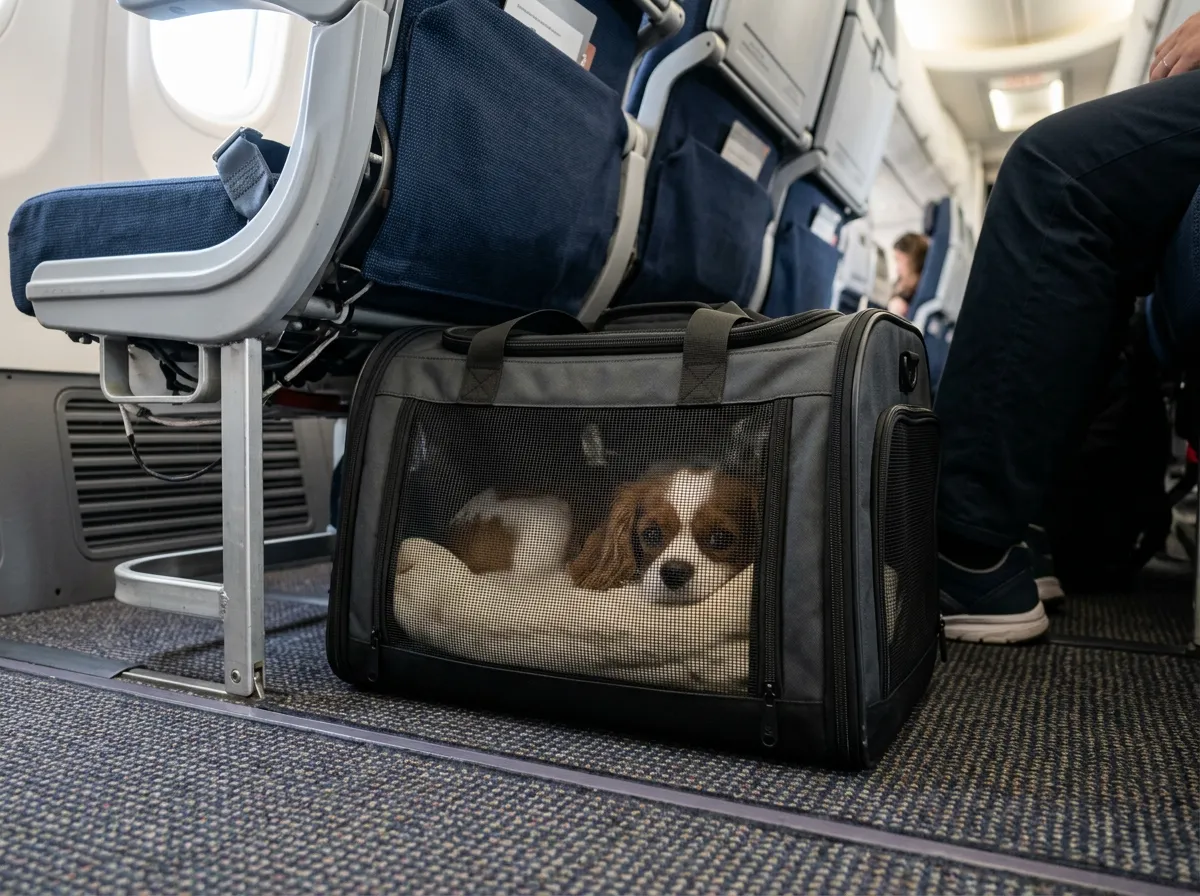
Under-seat carriers deliver secure containment, proximity to the owner for monitoring, and general compliance with common in-cabin dimensional requirements.
- Safety Features: These carriers are designed to fit securely under the seat, providing a safe space for your pet.
- Comfort Benefits: Being close to you can help your dog feel more secure during the flight.
- Compliance with Regulations: Under-seat carriers typically meet airline regulations, making them a convenient choice.
These characteristics make under-seat carriers a practical option for in-cabin pet travel.
How Under Seat Carriers Enhance Pet Comfort and Safety
Under-seat carriers improve ventilation through mesh panels, maintain a familiar environment by keeping the pet near the owner, and permit easier monitoring and access during the flight.
- Ventilation and Airflow: Many under-seat carriers feature mesh panels for improved airflow.
- Familiar Environment: Being close to their owner can help reduce anxiety for pets during flights.
- Monitoring and Accessibility: These carriers allow for easy monitoring of your pet throughout the journey.
Choosing an under-seat carrier supports both comfort and operational oversight.
Comparing Under Seat Carrier Dimensions Across Airlines
Compare the maximum allowable dimensions published by each airline prior to purchase to ensure the carrier will be accepted for in-cabin use.
| Airline | Maximum Dimensions (L x W x H) |
|---|---|
| American Airlines | 19" x 13" x 9" |
| Delta Airlines | 18" x 11" x 11" |
| Southwest Airlines | 18.5" x 8.5" x 13.5" |
Review these dimensions and confirm current specifications with the airline before travel.
Where Can You Find Reliable Size and Compliance Guides for Airline Dog Carriers?
Consult manufacturer resources, official airline websites, and experienced pet travel communities to obtain accurate size and compliance information prior to booking.
- Rover Ready Co. Resources: Rover Ready Co specializes in airline-approved dog carriers and travel essentials aimed at keeping dogs comfortable during in-cabin air travel.
- Airline Websites: Most airlines provide detailed information about their pet travel policies and carrier requirements on their official websites.
- Pet Travel Forums: Online communities can offer valuable insights and experiences from other pet owners.
Use these sources to verify current requirements and select compliant equipment.
How to Use Size Guides to Select the Right Carrier
Measure the dog accurately, compare those measurements to airline guidelines, and, if feasible, test the carrier with the dog prior to travel to confirm comfort and compliance.
- Measure Your Dog: Take accurate measurements of your dog's length, height, and width.
- Check Airline Size Requirements: Compare your dog's measurements with the airline's size guidelines.
- Test the Fit: If possible, have your dog try out the carrier before the trip to ensure a comfortable fit.
Follow these steps to select a carrier that aligns with both the animal’s needs and airline regulations.
Resources for Updated Airline Compliance Information
Maintain up-to-date knowledge by checking official airline communications, participating in pet travel forums, and subscribing to industry newsletters for timely notifications.
- Airline Websites: Regularly check the official websites of airlines for updates on pet travel policies.
- Pet Travel Forums: Engage with online communities to share experiences and gather insights on recent changes.
- Industry Newsletters: Subscribe to newsletters that focus on pet travel to receive timely updates.
These channels provide practical updates to support compliant travel planning.
What Are Common Questions About In-Cabin Dog Travel and Carrier Use?
Common questions cover whether carriers qualify as carry-on items and how airlines verify carrier compliance. Understanding these procedures reduces uncertainty when preparing to travel.
- Can you bring a dog carrier as a carry-on? Yes, most airlines allow you to bring an airline-approved dog carrier as a carry-on item.
- How do airlines enforce pet carrier regulations? Airlines typically check carrier dimensions and compliance during check-in and boarding.
Reviewing these topics helps clarify expectations for both owners and staff.
How to Address Frequent Passenger Questions About Pet Carriers
Provide clear guidance on airline regulations, explain the operational benefits of soft-sided carriers, and supply practical preparation tips to assist pet owners and fellow passengers.
- Understand Airline Regulations: Familiarize yourself with the specific regulations of the airline you are flying with.
- Highlight Benefits of Soft-Sided Carriers: Explain how soft-sided carriers can provide comfort and flexibility for pets.
- Prepare Pet Owners: Offer tips and resources to help other pet owners prepare for traveling with their dogs.
Clear, accurate information contributes to an orderly and cooperative travel environment.
Tips for Measuring and Preparing Your Dog for Flight
Use precise measurement techniques, acclimate the dog to the carrier through practice sessions, and ensure the pet has water and comfort items available for in-cabin travel.
- Measurement Techniques: Use a tape measure to get accurate dimensions of your dog.
- Preparation Steps: Familiarize your dog with the carrier and practice short trips to reduce anxiety.
- In-Cabin Comfort: Ensure your dog has access to water and comfort items during the flight.
These preparations reduce stress and support a predictable travel experience.
How to Monitor and Adapt to Changes in Airline Pet Travel Policies
Regularly review airline websites, subscribe to alerts, and consult peer communities to detect policy changes early and adjust plans accordingly.
- Regularly Check Airline Websites: Make it a habit to review the pet travel policies of the airlines you frequently use.
- Sign Up for Alerts: Many airlines offer email alerts for policy changes, which can keep you informed.
- Consult Pet Travel Forums: Engage with online communities to share information and experiences regarding policy updates.
Active monitoring reduces the risk of non-compliance and last-minute disruptions.
Tools and Alerts for Tracking Airline Regulation Updates
Implement keyword alerts, follow official airline channels, and subscribe to industry newsletters to receive timely notifications about regulatory changes affecting pet travel.
- Google Alerts: Set up alerts for specific keywords related to pet travel to receive timely updates.
- Airline Official Feeds: Follow airlines on social media for real-time updates on policies and regulations.
- Pet Travel Industry Newsletters: Subscribe to newsletters that focus on pet travel to receive curated information.
These tools facilitate proactive planning and reduce the likelihood of unexpected requirements.
When and How to Update Your Travel Preparations Accordingly
Review airline policies on a scheduled basis, gather required documentation ahead of time, and adjust logistics as regulations change to maintain a seamless itinerary.
- Regularly Check Airline Policies: Make it a routine to review the policies of the airlines you plan to use.
- Prepare Documentation: Ensure you have all necessary documentation ready, including health certificates if required.
- Adjust Travel Preparations: Be flexible and ready to adapt your travel plans based on the latest information.
Proactive updates to your preparations help ensure an orderly travel experience for you and your dog.
Frequently Asked Questions
What should I do if my dog is anxious during the flight?
If the dog displays anxiety, speak in a calm tone and provide familiar items such as a blanket or toy for comfort. Consult the veterinarian regarding approved calming aids or medications if required. Maintain close observation and offer gentle reassurance as needed.
Are there any specific health requirements for dogs traveling by air?
Many airlines require health documentation, such as vaccination records or certified health statements. Check the airline’s pet travel policy well before the trip and confirm any destination-specific health requirements to avoid complications at check-in.
Can I use a hard-sided carrier for in-cabin travel?
Hard-sided carriers are permitted by some airlines if they meet size and safety standards. Soft-sided carriers are often preferable for in-cabin use due to flexibility and improved ventilation. Verify the airline’s rules and ensure any hard-sided carrier fits under the seat and permits adequate airflow.
How can I prepare my dog for air travel?
Acclimate the dog to the carrier in advance, conduct short practice trips, and ensure adequate exercise before travel to reduce anxiety. Seek veterinary advice for any breed-specific or health-related recommendations prior to departure.
What should I do if my dog needs to relieve itself during the flight?
Prior to boarding, allow the dog to relieve itself and exercise. For extended travel, confirm layover procedures and locate airport pet relief areas. Carry disposable pads or wipes to manage any in-carrier accidents.
Are there any restrictions on the type of dog breeds allowed to travel in-cabin?
Some airlines restrict certain breeds, notably brachycephalic breeds, due to elevated breathing risk. Airlines may also enforce weight limits. Verify breed and weight policies with the carrier before booking.
What are the best practices for feeding my dog before a flight?
Provide a light meal several hours before departure to reduce the risk of motion sickness. Limit food immediately before boarding and regulate water intake to balance hydration with the likelihood of in-flight accidents. Confirm any airline-specific guidance regarding feeding.
Conclusion
Selecting an airline-approved carrier and preparing according to airline requirements reduces risk and supports the dog’s comfort and safety in-cabin. Understand carrier features, confirm policies, and apply the recommended preparations to minimise stress. Consult recommended equipment lists and official airline guidance when finalising your travel plan.


