

Dog Carrier Shoulder Bag: What to Choose and Why
A shoulder bag can be a smart way to carry a small dog. The right pick depends on your dog’s size, your comfort, and how you plan to travel.
If you want a dog shoulder bag for errands, short walks, or quick outings, a soft sling-style design can feel easy and practical. If you need more structure, more airflow, or airline fit, a different type of carrier may serve you better.
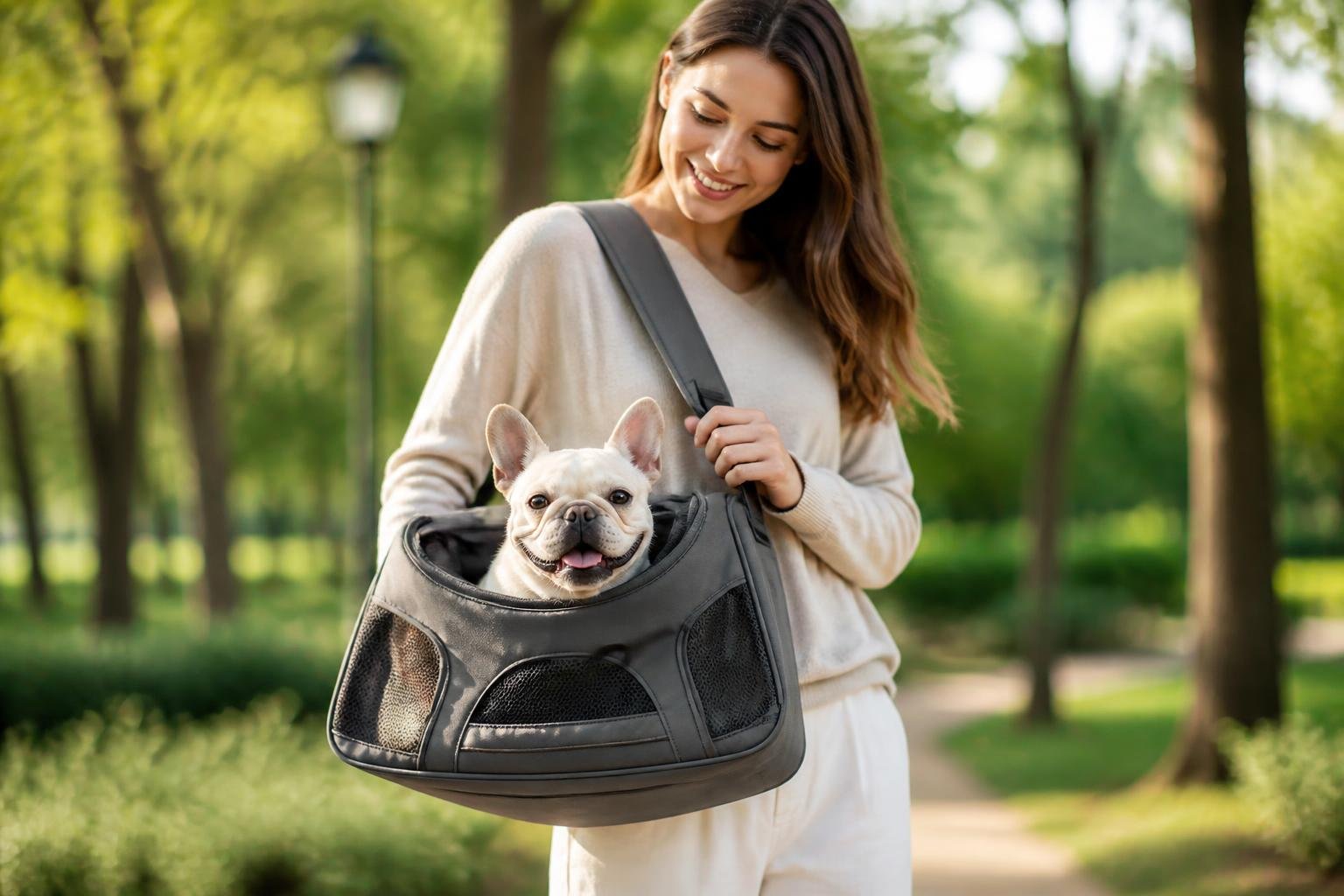
The best dog carrier shoulder bag keeps your dog secure, supported, and calm while protecting your shoulder and back from strain.
At Rover Ready, the focus is simple: helping you stop guessing about travel gear, especially when carrier fit matters. If you are comparing options for daily use or planning a flight, you can use Rover Ready’s airline size guidance and travel resources to narrow down what actually works.
If you need help you can reach out at craig@roverreadyco.com or 803-630-1451.
Key Takeaways
- A shoulder-style carrier works best for small dogs and short outings.
- Comfort depends on support, strap design, ventilation, and secure closures.
- Many sling bags are not the best choice for airline under-seat travel.
When a Shoulder-Style Carrier Makes Sense
A dog sling carrier can be very useful when you need fast, light, close-contact transport. It is not the right answer for every dog or every trip.
It can work well when convenience matters more than long-duration support.
Best Use Cases for Short Trips, Errands, and Daily Outings
A pet carrier sling makes sense when your dog is small, calm, and not staying inside for long stretches. Think vet visits, quick coffee runs, picking up groceries, or walking through busy places where little dogs can get stepped on.
Many pet parents like the hands-free feel of a sling dog carrier. Some retail listings highlight common features like pockets, soft fabric, and lightweight construction, as seen in this Walmart pet sling carrier listing.
When a Structured Carrier Is the Better Choice
If your dog needs to ride for more than 20 to 30 minutes at a time, a structured bag often feels more stable. A soft sling can sag, shift, or press your dog into an awkward position.
A pet carrier backpack may also be a better fit for longer walks or active outings. Backpack styles tend to spread weight more evenly, and testing from outlets like The Spruce Pets’ backpack carrier reviews often points to support and balance as key benefits.
How Dog Size, Weight, and Temperament Affect Fit
Most shoulder bags are made for small dogs. If your dog is near the upper weight limit, the bag may still technically fit, though it may not feel good to carry.
Temperament matters just as much. A nervous, wiggly, or escape-prone dog may not settle well in a dog sling carrier.
A relaxed dog that likes body contact often does much better.
What to Look for Before You Buy
The best dog carrier shoulder bag is built around support and safety, not just style. Before you buy, look closely at how the strap sits, how the bag holds shape, and whether your dog can breathe and settle comfortably.
Support, Padding, and an Adjustable Shoulder Strap
A wide, padded, adjustable shoulder strap matters more than many buyers expect. Thin straps dig in fast, especially if your dog weighs more than a few pounds.
You can see this feature called out in products like the SlowTon adjustable sling carrier, which notes a thick padded strap designed to reduce shoulder ache. In real use, padding makes the biggest difference after the first 10 minutes.
Ventilation, Safety Clips, and Interior Security
A pet sling carrier should never leave your dog exposed to easy jumps or poor airflow. Look for mesh openings, partial enclosure, and an interior tether that clips to a harness, not just a collar.
Many modern dog carrier shoulder bag styles now include safety hooks or harness clips. That is a useful feature, especially if your dog tends to shift when you stop or bend over.
Materials, Washability, and Storage Pockets
Cotton blends can feel soft, though they may lose shape over time. Oxford cloth, nylon, and other durable fabrics tend to hold up better with repeat use.
Washability matters because carriers collect hair, dirt, and odors quickly. Storage pockets are also worth having, especially for waste bags, treats, keys, and a phone.
Large marketplaces such as Amazon’s pet carrier shoulder bag results show just how much these features vary from one model to another.
Comfort and Safety for You and Your Dog
Comfort is not just about soft fabric. A good dog sling carrier keeps weight stable on your body and gives your dog enough room to sit naturally without slumping, twisting, or overheating.
How to Prevent Shoulder Strain and Uneven Weight Distribution
Use an adjustable shoulder strap to position the bag high enough that your dog rests close to your center of gravity. If the bag hangs too low, your shoulder works harder and your back starts compensating.
Switch sides during longer outings if the design allows it. If your dog is more than very lightweight, you may find that a sling dog carrier feels fine for ten minutes and tiring after twenty.
How Much Room a Dog Needs to Sit and Settle
Your dog should be able to sit, turn slightly, and settle without being packed tightly. A snug fit helps with security, though too little room can make your dog brace constantly.
In practice, dogs do best when the base supports some body weight instead of leaving them suspended by the chest. That is one reason tote-style and semi-structured bags can outperform very loose slings.
Signs a Sling or Shoulder Bag Is Not a Good Fit
Watch for panting, stiff posture, repeated repositioning, whining, scratching at the opening, or trying to climb out. Those are common signs that the fit, balance, or enclosure style is wrong.
For you, red flags include shoulder numbness, neck tension, or a bag that slides off constantly. If that starts quickly, choose another size or another carrier type.
Shopping Smart Online and In Stores

A good shopping process saves you from buying a carrier that looks nice and works poorly. Focus on the seller, fit details, and delivery timing, especially if your trip is close.
How to Compare a Seller, Reviews, and Return Policies
A reliable seller gives clear measurements, weight limits, care instructions, and close-up photos. Reviews help most when they mention the dog’s breed, weight, and how the bag performed after repeated use.
Retailers like Chewy’s dog carriers with shoulder strap make it easier to compare ratings and features side by side. Return policy matters too, since fit problems often show up only after you try the bag at home.
Why Shipping Times and Packaging Matter Before a Trip
Shipping can decide whether a good option is still useful to you. If your trip is soon, avoid products with vague delivery windows or poor packaging notes.
A crushed or folded carrier may arrive misshapen, especially if it has foam panels or semi-rigid sides. Give yourself time to air it out and test it before travel day.
What to Check in Product Photos and Measurements
Check interior length, opening size, strap width, and whether the base is flat or droops. Product photos should show how the dog sits inside, not just how the bag looks empty.
If a listing avoids exact measurements, move on. Retail collections such as OfficialDogHouse’s small dog carrier purse pages often show dimensions clearly, and that kind of detail is what you need.
Flight and Road Trip Considerations
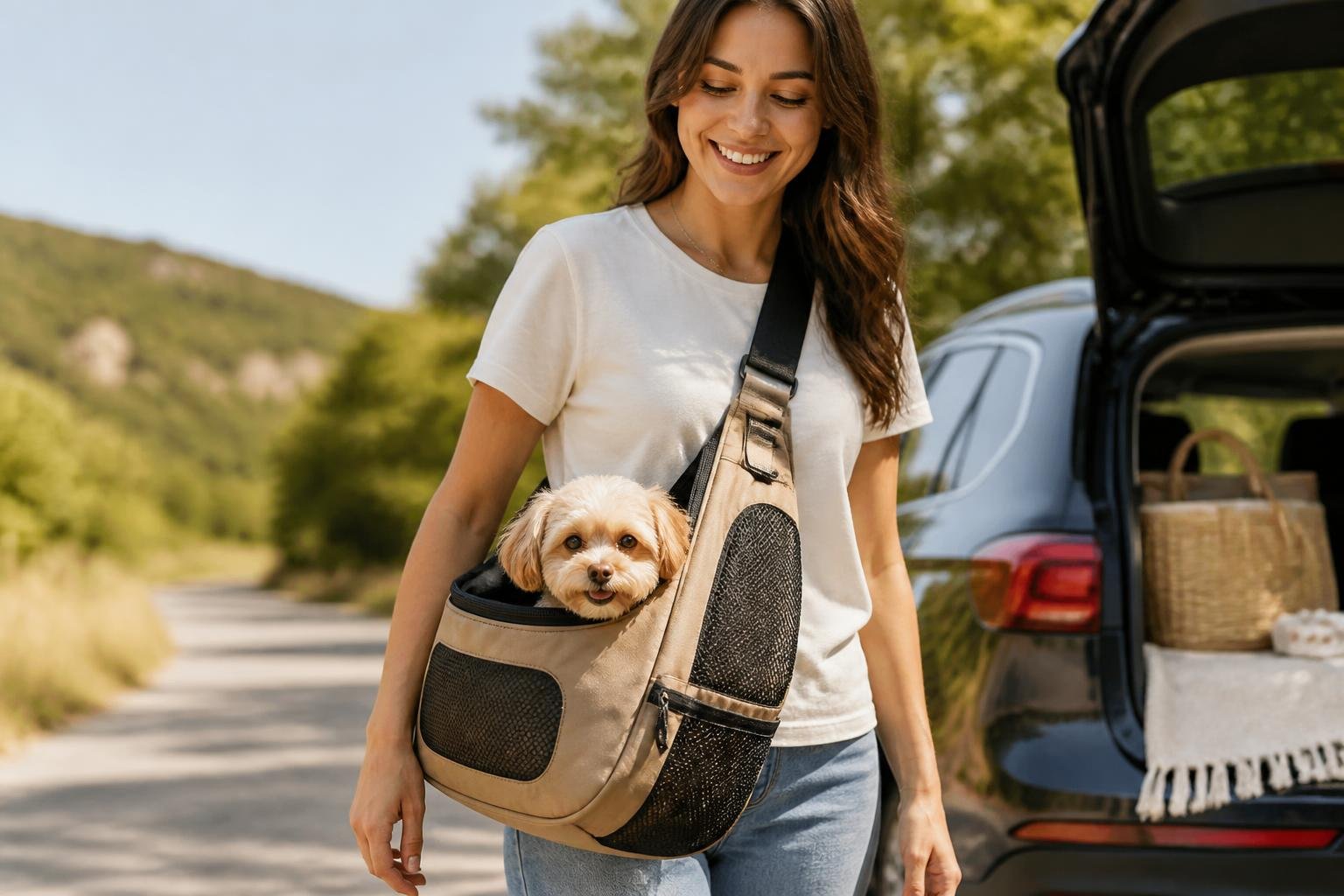
Shoulder bags can be useful for carrying your dog through the airport or on quick stops during a road trip. For actual in-cabin air travel, many are too open, too soft in the wrong places, or not shaped for under-seat use.
Why Many Shoulder Bags Are Not Ideal for Under-Seat Air Travel
Many sling-style bags do not have the structure, full enclosure, or dimensions airlines expect for cabin travel. They may also leave your dog too exposed during check-in or boarding.
Airline-friendly carriers are usually soft-sided but enclosed, ventilated, and designed to compress slightly under the seat. You can see these features in listings for airline approved dog carrier options and in travel-focused reviews like The Spruce Pets’ tested dog carrier roundup.
How Rover Ready Helps You Check Airline Fit with More Confidence
Rover Ready is especially useful when you are trying to avoid size guesswork. If you are comparing a shoulder bag to a flight-ready carrier, Rover Ready’s airline size guidance and compliance-focused content help you compare common cabin requirements before you buy.
That matters because a stylish bag that works for daily errands may fail at the gate. For flights, shape and dimensions matter more than appearance.
What to Pack Alongside the Carrier for Smoother Travel
Pack a small leash, harness, waste bags, absorbent pad, travel water bowl, and a familiar blanket or shirt. For road trips, add wipes and a seatbelt-compatible restraint plan.
If you are using a carrier in the car, look for models with seatbelt straps or routing features. Sherpa notes this type of seatbelt strap feature on pet carriers, which can add stability during rides.
Frequently Asked Questions
How do I choose the right size and weight capacity for my dog?
Measure your dog’s length, height, and weight, then compare those numbers to the carrier’s interior dimensions, not just the marketing label. Stay under the listed weight limit, and leave enough room for your dog to sit and settle without being squeezed.
What features make a carrier comfortable and safe for longer outings?
Look for a padded base, breathable panels, an adjustable shoulder strap, and an interior safety tether that clips to a harness. A wider strap and better structure usually make a big difference if you carry your dog longer than a quick errand.
Are these carriers allowed on airplanes, and what airline rules should I check?
Some are, though many sling-style options are not ideal for cabin use. Check your airline’s in-cabin pet dimensions, enclosure rules, ventilation requirements, and whether the carrier must fit fully under the seat.
How can I help my dog get used to riding in a carrier without stress?
Start at home with short sessions and treats so your dog builds a calm association with the bag. Once your dog relaxes inside, practice short walks before using it for busier outings.
What materials are best for durability, breathability, and easy cleaning?
Durable fabrics like nylon and oxford cloth tend to hold shape better and resist wear. Mesh panels help with breathability, and removable or washable liners make cleaning much easier.
How do I ensure proper ventilation and prevent overheating while traveling?
Choose a carrier with mesh openings. Do not pack your dog too tightly inside.
Watch for heavy panting, drooling, or restlessness. Avoid long periods in a warm car, direct sun, or crowded indoor spaces.


