

Animal Crates for Dogs, Animal Crates for Cats, and Travel Use
Animal crates for dogs, animal crates for cats, and the right animal crate for travel all serve different jobs. Choosing the wrong one usually causes the same problems: poor fit, more stress, and less safety.
If you start with your pet’s size, behavior, and travel plan, you can narrow the options fast. This helps you avoid buying a crate that only looks good in a product photo.
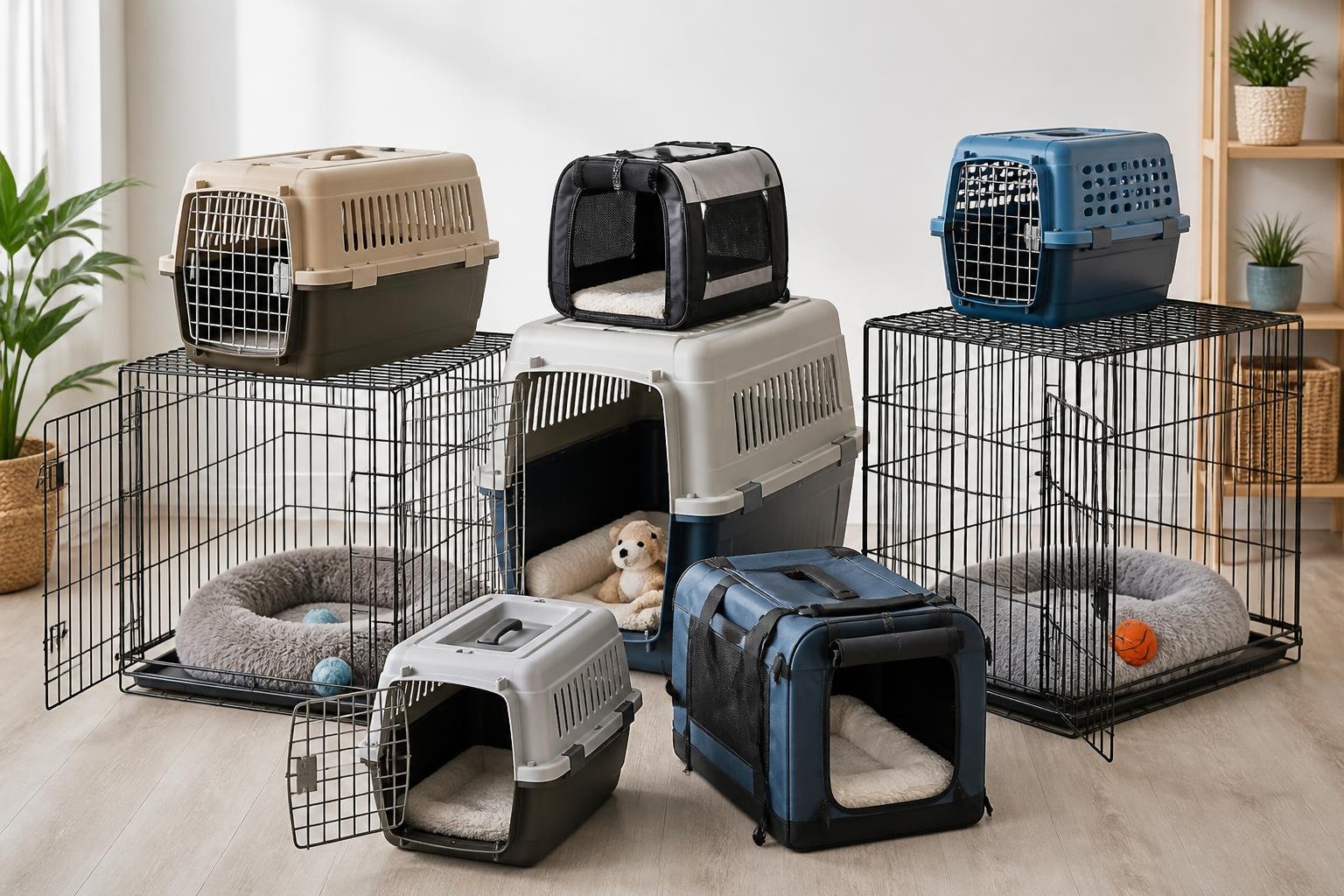
The best crate is not the fanciest one. It is the one your pet can stand up, turn around, rest comfortably in, and use safely for the exact purpose you have in mind.
At Rover Ready, crate and carrier choice is closely tied to real travel questions. It’s important to know whether a setup will fit under an airline seat and keep your dog comfortable from check-in to arrival.
If you want extra help comparing travel-ready options, you can look through Rover Ready’s guides online. You can also reach out at craig@roverreadyco.com or 803-630-1451 for a more confident starting point.
Key Takeaways
- You should match the crate to your pet’s size, temperament, and daily use.
- Travel crates need a different checklist than home crates.
- Product dimensions and airline fit details deserve a close look before you buy.
How to Choose the Right Setup First
A good crate choice starts with purpose, not material. If you know whether you need home containment, crate training, car travel, or cabin flight use, the right size and style become much easier to pick.
When a Crate Makes Sense for Dogs vs. Cats
Dogs often use crates as a regular resting space or a training aid. Many dogs settle well in a den-like setup, especially when the crate is introduced slowly and never used as punishment, a point echoed in dog crate guidance from Petful.
Cats usually use carriers and crates differently. For most cats, a crate is best for transport, recovery, short-term management, or multi-pet separation.
Matching Size, Weight, and Temperament to the Crate
Measure your pet before you shop. For dogs, check nose-to-tail-base length and standing height.
For cats, check body length, standing height, and total weight, especially if you need room for a small litter pan. A calm pet may do well in a soft-sided or wire setup.
A strong chewer, escape artist, or highly anxious dog usually needs a sturdier kennel with secure latches and fewer weak points.
Choosing for Home Containment, Training, or Travel
For home use, comfort and visibility matter most. For training, you want enough room to stand and turn without giving a puppy so much space that one corner becomes a bathroom area.
For travel, portability matters more. A travel crate needs carrying handles, lighter weight, and dimensions that actually match your car or airline plan.
Types of Crates and What They Are Best For
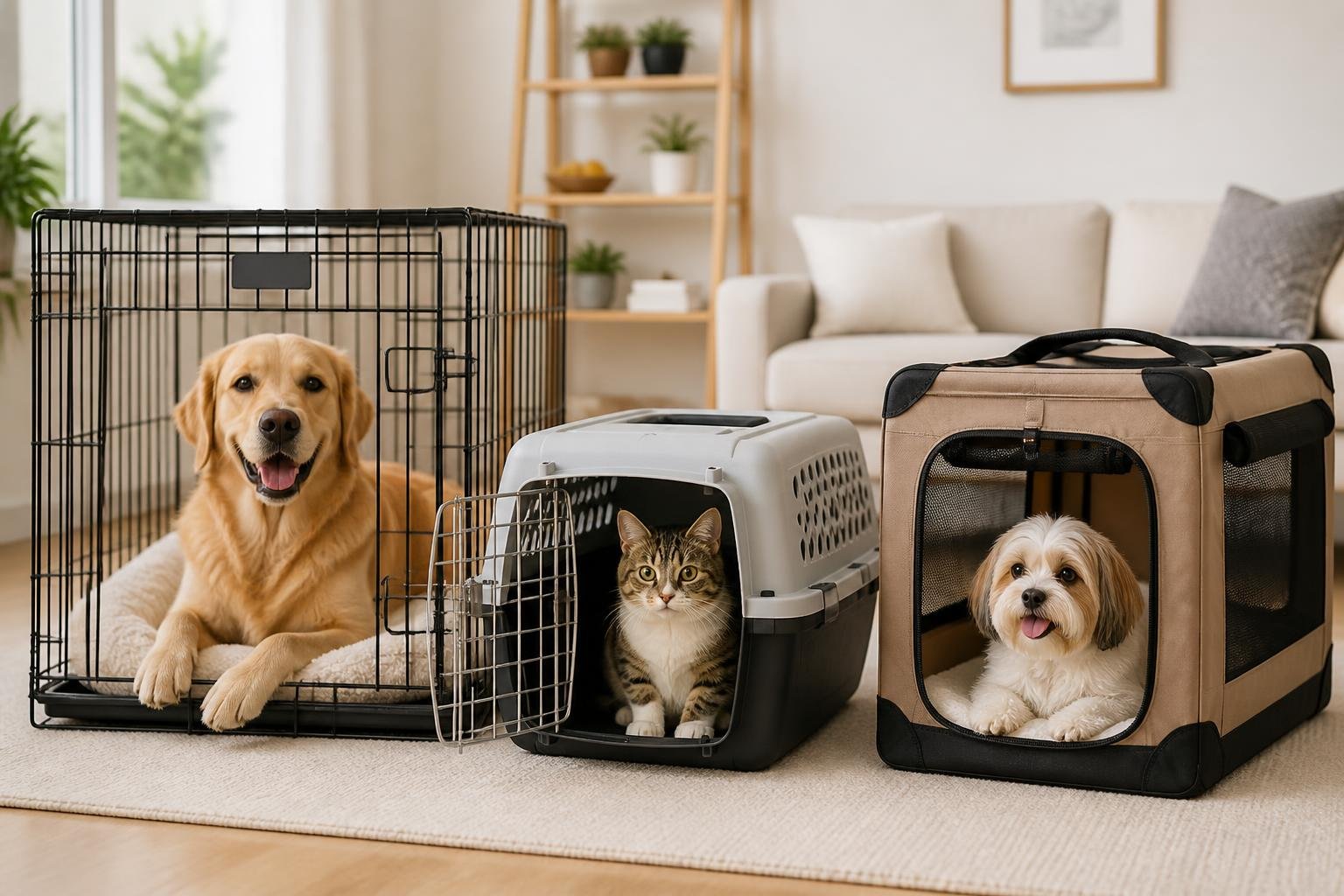
Most pet owners choose between wire, plastic, soft-sided, and furniture-style models. Each one solves a different problem.
Trying to use one type for every situation is where many purchases go wrong.
Wire Models for Ventilation and Everyday Use
Wire crates are common for dogs because they offer strong airflow and good visibility. Many fold flat and include divider panels for puppies.
They work well for home training. They are less ideal for some cats and nervous dogs that get overstimulated by too much visual input.
Retailers like Tractor Supply’s wire crate listings show how many size and feature variations exist. You still need to verify door count and tray details.
Plastic Kennels for Security and Structured Travel
Plastic kennels feel more enclosed, which helps some pets relax. They are often a practical choice for car travel.
Many owners also prefer them for cats because the enclosed sides reduce visual stress. For travel use, this style is often closer to what people picture as a traditional kennel.
Soft-Sided Options for Lightweight Carrying
Soft-sided carriers and crates are useful for small dogs and many cats. They are light, easy to carry, and often easier to store than rigid kennels.
They are not the best pick for pets that scratch, chew, or push hard against panels. Many marketplace listings, such as portable soft-sided options on Walmart, make them look universal, though they work best for calm, lightweight pets.
Furniture-Style Designs for Indoor Spaces
Furniture-style crates are made to blend into your room. You will see them sold as end tables, cabinets, and wood-look enclosures, which Wayfair’s crate furniture category shows clearly.
These are best when appearance matters and your pet already accepts crate time well. They are usually not your best first choice for flight travel, frequent moving, or fast cleanup.
Key Features That Matter Most
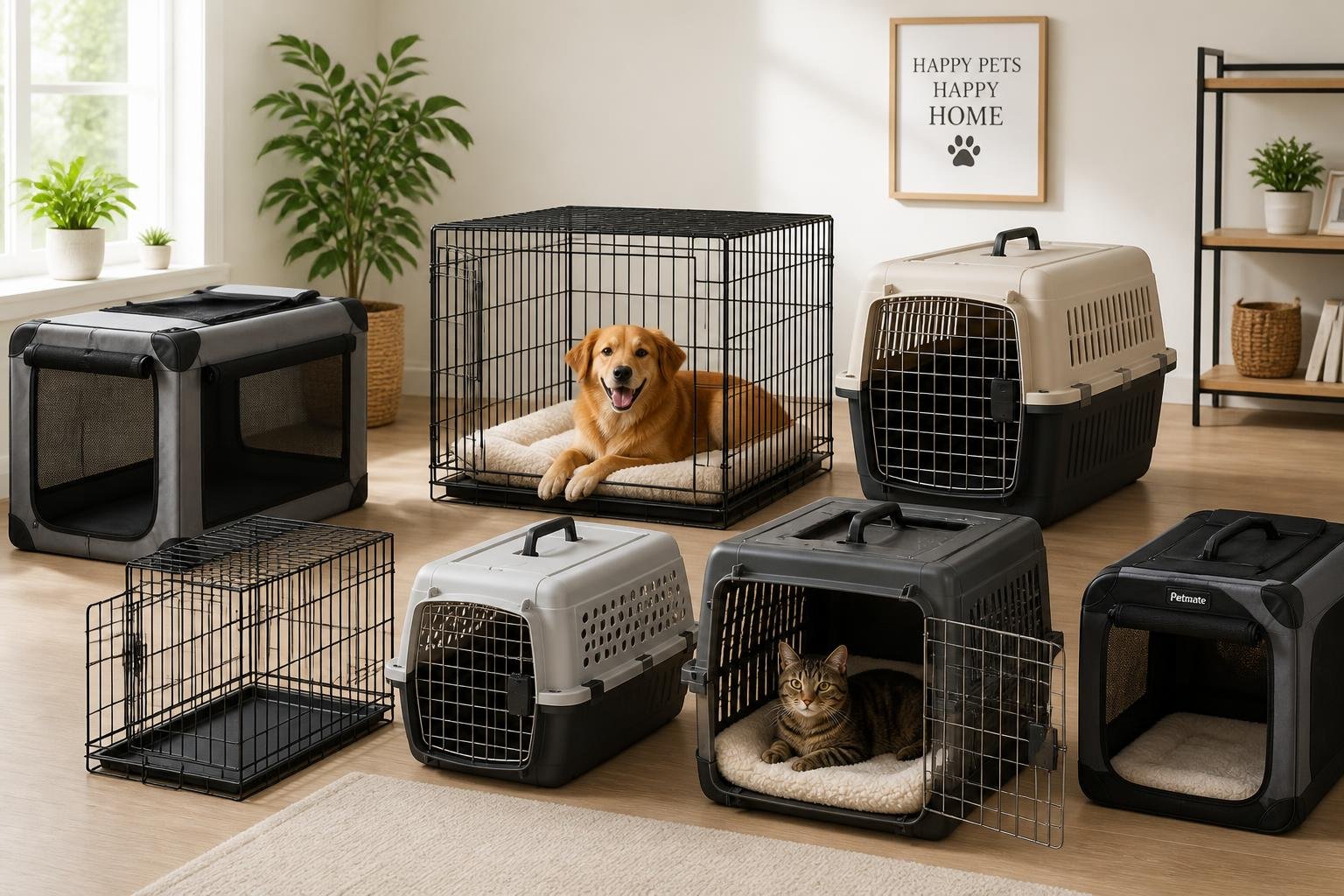
The details that seem small on a product page often matter most once the crate is in your home. Door placement, latch strength, airflow, storage, and cleanup all affect how easy the crate is to use every day.
Door Design, Latches, and Escape Resistance
Front doors are standard, though top-loading access can help with cats who resist entering a carrier. Two-door models can also make placement easier in small rooms or cars.
Check whether the latch feels simple and secure. If your dog paws at doors or your cat presses against openings, weak latch hardware becomes obvious fast.
Ventilation, Visibility, and Stress Reduction
Good ventilation matters for both dogs and cats, especially in warm weather and during travel. Wire crates offer the most airflow, while plastic and soft-sided carriers need enough mesh or vented panels to avoid stuffiness.
Visibility affects stress. Some pets settle better when they can see you, while others calm down more with partial visual coverage and fewer distractions.
Foldability, Portability, and Storage Convenience
If you will move the crate often, weight matters. A foldable wire crate or soft-sided carrier is easier to carry upstairs, place in a trunk, or store in a closet.
Handles should feel balanced in your hand. In daily use, awkward handles and bulky shapes are a bigger issue than many buyers expect.
Cleanability, Trays, and Interior Comfort
A removable tray makes cleanup much easier for puppies, senior pets, or motion-sick travelers. Smooth plastic interiors also wipe down faster than textured surfaces.
Use washable bedding that fits flat. Thick padding that bunches near the door can reduce usable floor space and make a carrier feel cramped.
Travel Considerations Rover Ready Knows Best
Travel changes the crate decision more than any other factor. A setup that works well in your living room may be too large for cabin use or too awkward for a road trip.
What Works for Flights Versus Road Trips
For road trips, you can often choose a sturdier or larger setup if it fits your vehicle safely. For flights, dimensions become strict, especially for in-cabin pets.
Many large plastic kennels are better for cargo or ground transport than under-seat cabin use. Small dogs and cats flying in the cabin often need soft-sided carriers that compress slightly while keeping shape and airflow.
Why Under-Seat Fit Changes Carrier Decisions
This is where many pet owners get stuck. Airline approved does not always mean your specific airline, aircraft, and route will accept the carrier.
A carrier that is an inch too tall can turn check-in into a problem. That is why Rover Ready focuses so much on under-seat fit and airline confidence for dog travel.
Using Airline Size Guides Before You Buy
You should compare listed carrier dimensions against your airline’s current cabin pet limits before ordering. Rover Ready’s airline size guide is built around this exact issue.
Checking dimensions first can save you from buying twice. If you are comparing air travel setups, it helps to look at current market categories too, like dog hard-sided carriers and crates on Amazon.
Still, treat seller claims with caution.
Travel Comfort and Safety Essentials Beyond the Crate
Bring absorbent liners, a familiar blanket, and a secure leash or harness for transfers. For cats, a small towel over part of the carrier can lower visual stress during busy movement.
For dogs, think beyond the carrier itself. Water planning, potty timing, car restraint, and quiet breaks all shape how calm the trip feels.
Safe Introduction and Everyday Use
The safest crate is still the wrong choice if your pet hates going inside it. A calm introduction, short early sessions, and a predictable routine usually matter more than the brand name on the label.
Crate Training Basics for Dogs
Start with the door open and place treats, toys, or meals inside. Let your dog enter and leave freely at first so the crate becomes a normal place, not a forced one.
Build time gradually. Short, calm sessions work better than putting a new dog into a crate for hours on day one.
Helping Cats Accept a Carrier or Crate
Keep the carrier out between trips so it does not only appear before a vet visit. Add bedding that smells familiar, and reward your cat for stepping in on their own.
Top-loading carriers can help when a nervous cat needs gentle placement. A more enclosed crate also tends to work better for many cats than an open wire setup.
Placement, Routine, and Time Limits
Place the crate in a quiet area near family activity, not in a hot garage or isolated room. Most pets settle better when they can rest near normal household sounds.
Time limits matter. Crates are for safe rest, training, transport, or short-term management, not long periods of daily isolation.
Common Setup Mistakes to Avoid
Do not buy based on breed label alone. Breed size charts are rough estimates and often miss body shape, weight, and posture.
Skip oversized bedding, weak clips, and poor airflow. Also avoid using the crate only when something unpleasant is about to happen, since pets learn that pattern quickly.
How to Compare Options With Confidence
A smart comparison looks past star ratings and focuses on dimensions, material, hardware, and real use case. Product pages can be useful, though they often hide the details that matter most in shipping specs or image galleries.
Budget Versus Premium Trade-Offs
Budget crates can work very well for calm pets and home use. Premium models usually earn their price through stronger materials, better door hardware, lighter travel weight, or cleaner assembly.
If you travel often, paying more for a better carrier can make sense. If you need a crate for occasional home use, a simpler model may do the job.
What to Check in Product Dimensions and Weight Limits
Look for exterior size, interior floor space, door opening size, folded size, and product weight. Also check the pet weight limit, though dimensions matter just as much because a tall pet may not fit comfortably even under the listed max weight.
Measure your pet in a natural standing position instead of guessing from old records. That small step avoids many returns.
Where Retail Listings Can Be Misleading
Retail category pages can help you scan styles and price ranges, including Petsense crate and carrier listings and Target’s pet crate selection. The problem is that terms like heavy-duty, airline approved, escape proof, and large are not always used consistently.
Photos can also make crates look roomier than they are. Read the spec table, not just the title and lifestyle images.
When to Upgrade to a More Travel-Ready Option
Upgrade when your current crate is awkward to carry, does not fit your vehicle well, has poor ventilation, or creates uncertainty at airline check-in. A better travel crate is usually lighter, easier to clean, and more precise in its dimensions.
Frequently Asked Questions
How do I choose the right crate size for my dog based on breed and measurements?
Measure your dog’s length from nose to tail base and height from floor to top of head or ears when standing. Use breed only as a rough reference, then choose a crate that lets your dog stand, turn around, and lie down comfortably without excessive extra space for training use.
What type of crate works best for a cat, and when should I use one?
A hard-sided or sturdy soft-sided carrier usually works best for cats because it feels enclosed and easier to manage during travel. A larger crate can help for recovery, temporary separation, or short-term confinement when you need room for bedding and a litter setup.
Can a cat safely stay in a crate overnight, and what setup is recommended?
A cat can stay in a crate overnight for short-term needs if the crate is large enough for rest, water, and a litter box area. Make sure airflow is good, and provide enough space so the sleeping area stays separate from the litter area.
Which features should I look for in an airline-approved travel crate?
Look for exact dimensions, strong zippers or latches, good ventilation, leak-resistant lining, and comfortable carrying points. For cabin travel, the most important detail is whether the carrier fits your airline’s under-seat limits, not just whether a seller calls it airline approved.
How do I fit a litter box inside a cat crate without reducing comfort or safety?
Use a large crate or enclosure, not a standard small carrier. Pick a low-sided litter pan that fits one end, then leave enough open floor space for bedding and turning room so your cat does not feel trapped or sit directly next to the litter.
How do Petmate kennel sizes compare, and how do I select the correct model?
Petmate kennel sizes vary by model. You should compare each product’s interior and exterior dimensions instead of relying only on size names like small or medium.
Listings such as the Petmate wire kennel options shown by Petsense are a starting point. Your final choice should come from your pet’s measurements, weight, and intended use.


