


By Craig Roberts, Rover Ready Co
Enrichment toys support the physical and mental health of large-breed dogs. They stimulate natural instincts and cognitive skills while providing durable play. This guide explains toy types, benefits, and selection criteria for large breeds. Appropriate toys reduce boredom-related behavioral issues and provide essential mental and physical stimulation.
This article covers effective toy categories, key features to evaluate, and practical selection guidelines. It also addresses interactive and treat-dispensing options, plus travel-friendly solutions for large breeds.
Key Takeaways
- Dog enrichment toys provide essential mental and physical stimulation for large breeds, reducing boredom and behavioral issues.
- Puzzle toys challenge large dogs cognitively, improving problem-solving skills and reducing anxiety.
- Durable chew toys made from tough, non-toxic materials are crucial for withstanding large dogs' strong chewing habits.
- Choosing toys requires considering size, durability, safety, and the dog's play preferences for optimal engagement.
- Interactive toys enhance behavioral development by encouraging critical thinking and social interaction in large dogs.
- Treat dispensing toys promote healthy eating habits and mental engagement through reward-based play.
- Travel-friendly enrichment toys should be safe, lightweight, durable, and compatible with airline-approved carriers.
- Mental stimulation toys improve large dogs' mood, behavior, and physical health by encouraging cognitive activity and exercise.
- Store owners can boost online visibility by using structured data and internal linking strategies focused on enrichment and travel toys.
What Are the Most Effective Types of Dog Enrichment Toys for Large Breeds?
Effective enrichment toys engage natural instincts and support mental wellbeing. Common categories include puzzle toys, interactive play items, and durable chew toys. Each category delivers specific benefits for large breeds.
These toys promote mental stimulation and physical activity, which is critical for large dogs at higher risk of obesity and anxiety. Regular integration into daily routines encourages problem-solving and healthier behavior. Appropriate selection fosters exploration and satisfaction.
When evaluating categories, consider how each type maps to natural behaviors: puzzle toys mimic foraging, interactive toys encourage social play and learning, and chew toys satisfy exploratory and oral needs while helping maintain dental health. Large-breed owners should balance the three types across daily and weekly routines to create variety and avoid overstimulation of one play mode.
Practical examples of combining types include a morning short walk followed by a treat-dispensing feeding toy, an afternoon interactive fetch or tug session with a durable toy, and an evening puzzle session that encourages calm problem-solving before bedtime. This variety helps large dogs expend energy, develop focus, and reduce the chance of destructive behaviors driven by boredom.
How Do Puzzle Toys Enhance Mental Stimulation for Large Dogs?
Puzzle toys require dogs to solve tasks to access treats or rewards, maintaining engagement. They stimulate cognition and reduce boredom in large breeds.
Examples include the Nina Ottosson Dog Tornado and the Outward Hound Hide-A-Squirrel, commonly used by owners. User reports indicate these toys increase satisfaction and reduce anxiety-related behaviors.
To choose puzzle toys for a large dog, look for adjustable difficulty levels or modular designs that can be made easier or harder as the dog learns. Start with simpler puzzles so the dog experiences success, then gradually increase complexity to maintain challenge and interest. Monitor the dog's problem-solving approach — some dogs are paw-focused, others use noses or teeth — and select puzzles that suit their preferred problem-solving style.
Safe puzzle play also requires secure fastening of small parts and food-safe surfaces. For large breeds, ensure compartments and openings are sized to accommodate bigger snouts and stronger manipulative force. If a toy is too small or flimsy it becomes frustrating or hazardous: robust construction and non-toxic materials are essential for longevity and safety.
What Features Define Durable Chew Toys Suitable for Big Dogs?

Durability is the primary consideration for chew toys for large breeds. Select products made from robust materials such as tough rubber or reinforced nylon that resist breakage.
Key features include non-toxic construction, appropriate sizing for the breed, and dental-friendly designs such as ridges or textures. These characteristics reduce choking risk and extend toy lifespan.
Look for chew toys designed specifically for heavy chewers: denser rubber compounds, braided or reinforced ropes, and molded designs without weak seams. Avoid toys with glued decorations, loose squeakers that can be ingested, or thin plastic that can shatter. When possible, choose products with visible manufacturer guidance for heavy chewers and recommendations for breed size.
Consider the cleaning and maintenance of chew toys: many durable rubbers clean easily with warm soapy water, while rope or fabric toys benefit from regular inspection and replacement when fraying appears. Replacing worn toys promptly prevents ingestion of small fragments and maintains the safety of the dog's play environment.
How to Choose the Right Mental Stimulation Dog Toys for Large Breeds?
To choose mental-stimulation toys, verify size to prevent swallowing and assess material durability relative to the dog's chewing habits.
Consider the dog's play style—some require human interaction while others prefer independent play. Prioritise toys that combine mental engagement with physical exercise to support overall health.
Begin selection by observing your dog's natural behaviors and energy cycles. Note whether they are highly food-motivated (respond well to treat dispensers), toy-motivated (prefer fetching and tug), or task-motivated (enjoy solving puzzles). Match toys to these drives to increase initial uptake and create lasting engagement.
Also evaluate the environment where toys will be used. Outdoor toys should be more rugged and easy to clean, while indoor toys should reduce noise and be gentle on floors. For multi-dog households, select toys designed for shared play and that can withstand combined force, or rotate single-dog toys to avoid competitiveness and resource guarding.
Which Factors Affect Suitability of Toys for Large Dog Breeds?
Size and durability are critical, as large breeds exert greater force and chewing power.
- Size Consideration: The toy must be large enough to prevent choking, allowing safe play without risks.
- Material Durability: Choose toys made from reinforced or high-quality materials that can endure vigorous play.
- Safety Features: Ensure the absence of small parts that could be ingested, as well as non-toxic materials meant for canine use.
Applying these criteria produces safer, more engaging play that supports large dogs' wellbeing.
Additional practical factors include scent retention (treat-holding toys should not retain hazardous residue), noise level (avoid excessively noisy toys for indoor use), and ease of cleaning. Check for clear manufacturer instructions regarding age and weight recommendations. Owners should also consider whether a toy is repairable or recyclable when it reaches end of life, as sustainable choices can be environmentally and economically preferable for frequent users.
Finally, consider the toy's intended purpose: enrichment, training, dental hygiene, or interactive play. Selecting toys with a clear primary function — and then supplementing with complementary items — creates a balanced range of stimuli without overwhelming the dog or owner.
What Are the Benefits of Interactive Dog Toys in Behavioral Development?
Interactive toys promote critical thinking and decision-making, improving problem-solving skills. They help dogs expend energy while reducing anxiety and boredom.
Incorporate interactive toys to create an enriching environment that reduces behavioral issues and increases pet satisfaction.
Interactive toys that require human involvement, like tug or guided fetch, are valuable for bonding and teaching impulse control. Toys that respond dynamically to a dog's actions, such as automated movement toys or those that change configuration, help sustain interest but should be durable enough for strong interactions. Use interactive play as an opportunity to reinforce commands and train desirable behaviors—pause play for calm behavior, reward patience, and use toys to mark successful responses rather than relying solely on treats.
For anxious or impulsive large dogs, structured interactive sessions can be more beneficial than prolonged unsupervised access to stimulating toys. Timed sessions, a mix of high-intensity play and low-key problem-solving, and clear start/stop signals from the owner can help the dog learn to self-regulate and transfer calmness to non-play contexts.
What Are the Best Dog Treat Dispensing Toys for Large Breeds?
Treat-dispensing toys require dogs to work for food, combining mental stimulation with mealtime. They are suitable for larger breeds seeking extended engagement.
Examples include the Kong Classic and the PetSafe Busy Buddy, which extend mealtime and promote patience and focus.
Treat-dispensing toys vary in mechanics: rolling toys that release kibble intermittently, puzzles that require moving parts to uncover food, and stuffing toys that hold canned food or pastes. For large breeds, ensure openings are wide enough and the dispensing mechanism can withstand stronger noses and jaws. Adjust portions to account for the extra work the toy provides and integrate dispensers into feeding routines rather than adding extra calories without adjustments to the daily ration.
Rotate different types of treat dispensers to prevent predictability: one week a rolling kibble dispenser, another week a stuffed durable toy. This variety helps keep the dog engaged and prevents the toy from becoming mere background noise. Observe how quickly a dog solves a dispenser and adjust fill levels or toy complexity to continue providing a useful challenge.
How Do Treat Dispensing Toys Support Engagement and Reward?
Treat-dispensing toys require problem-solving to retrieve rewards, building confidence and persistence.
They also encourage movement and reinforce positive behaviors through reward-based outcomes, supporting behavioral development in large dogs.
Use treat-dispensing toys strategically: during mealtimes to slow eating, as a pre-walk activity to channel excitement, or as a distraction during grooming or veterinary preparation. For dogs working through separation anxiety, timed dispensing toys left before a short departure can help establish a calm association with the owner leaving. Always pair toy use with observations to ensure the dog does not become frustrated by a toy that is too difficult.
Cleaning and hygiene are important with dispensing toys. Wet or perishable fillings should be removed promptly and toys allowed to dry fully to avoid bacterial growth. Many durable treat-dispensing toys are dishwasher-safe; follow manufacturer cleaning guidance and inspect seals for wear that could create hygiene issues over time.
Which Enrichment Toys Are Safe and Practical for Travel with Large Dogs?
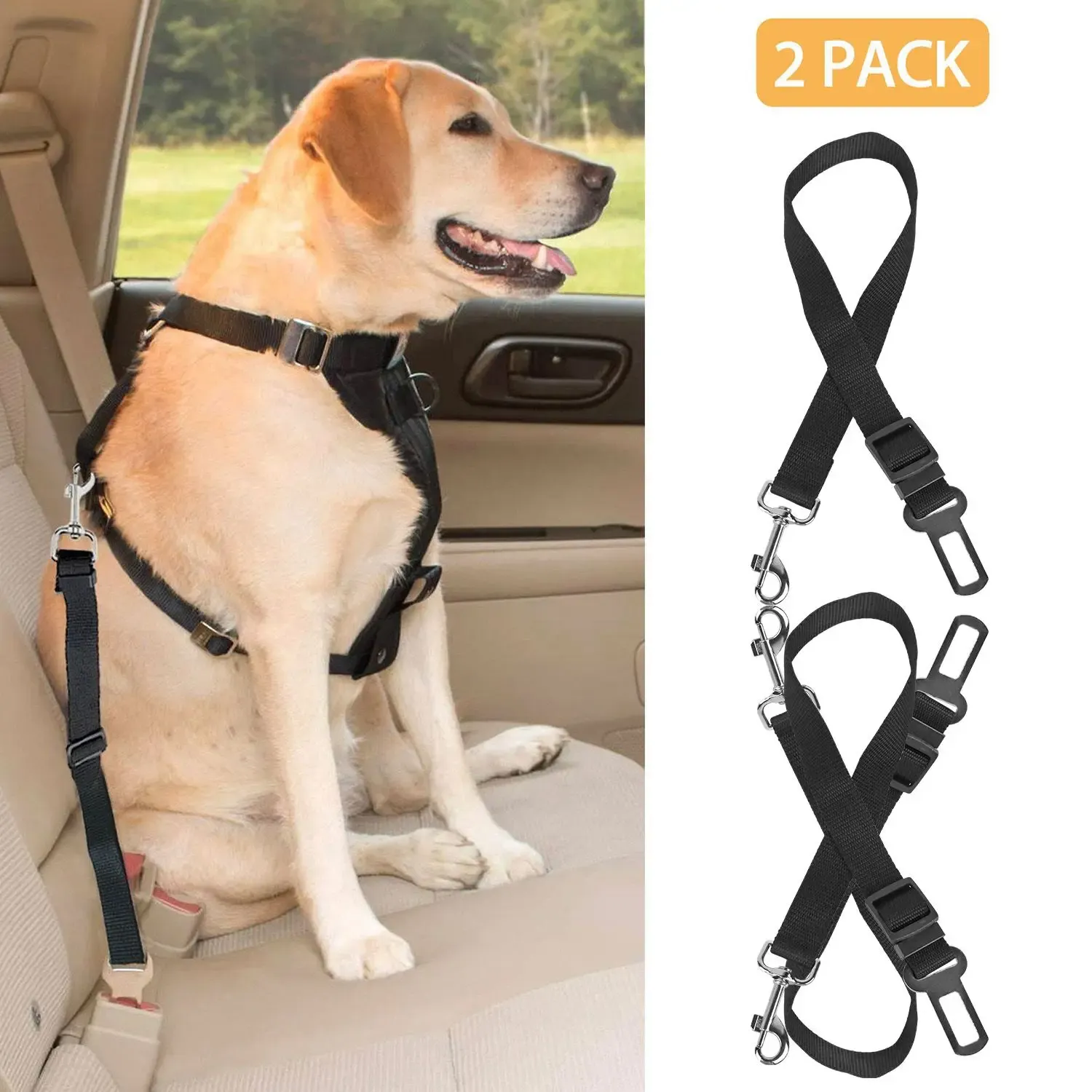
Travel requires appropriate enrichment toys to reduce anxiety and provide entertainment during journeys.
Select toys that are safe, lightweight, packable, and durable across environments to keep large breeds engaged in carriers or accommodations.
For travel, choose toys with multiple uses: a soft plush that doubles as a comfort item and a tether-free chew that won’t damage carrier interiors, or a compact puzzle that requires minimal pieces and is easy to stow. Avoid toys with many loose parts that can be lost or create a choking hazard in unfamiliar settings. Consider noise and scent — toys with strong odors or loud squeakers may increase stress in new environments.
When traveling by car, secure toys to prevent them becoming projectiles under sudden braking. For overnight stays, pack a small rotation of favored toys to preserve a consistent scent and provide familiarity. Keeping a small, washable blanket or toy that smells like home can reduce travel-related stress and ease transitions between locations.
How to Integrate Travel-Friendly Enrichment Toys with Airline-Approved Carriers?
For airline-approved carriers, choose compatible, versatile toys that are durable and easy to clean.
Recommended options include soft plush toys and sturdy rubber bones that fit carriers and occupy minimal space, aiding transition into new environments.
Before flying, confirm carrier dimensions and allowed items with the airline and choose toys that fit within the approved size. Lightweight, compressible toys are preferable for fitting into overhead compartments or carrier pockets. Select toys that can attach to carrier straps or be stored in a small pouch so they remain accessible during delays and transitions. Avoid overloaded carriers; limit toys to one or two trusted items to reduce clutter and the risk of items getting lost in transit.
On arrival, introduce travel toys gradually in the new environment, pairing them with calm praise to reinforce positive associations. Keep an eye on sanitation — travel introduces new dirt and moisture, so washing toys after trips maintains hygiene for both dog and household.
What Are Key Considerations for Toy Safety During Dog Travel?
Prioritise non-toxic, durable materials for travel toys to withstand transit and avoid harmful substances.
Store toys securely during transit and inspect dogs during play in unfamiliar settings to prevent choking or accidents. Regular inspection reduces risk.
In unfamiliar places, dogs may interact with toys differently due to stress or excitement. Supervise play initially to detect overly vigorous chewing or attempts to swallow parts. Keep an emergency kit that includes basic first-aid items, a pair of channel-lock pliers for removing lodged objects, and a phone number for a local emergency veterinary clinic when traveling long distances.
Also consider climate: extreme heat can soften some rubber toys, while cold can make others brittle. For long trips, pack climate-appropriate toys and avoid leaving toys in cars where temperatures fluctuate, which can degrade materials and create hazards.
What Are the Documented Benefits of Mental Stimulation Toys on Large Dog Wellbeing?
Mental-stimulation toys support cognitive development, improve mood and behavior, and are associated with lower anxiety and fewer destructive behaviours.
They also promote physical activity, helping to address obesity. Prioritising mental stimulation contributes to better-adjusted, healthier dogs.
Mental stimulation complements physical exercise by tiring the brain as well as the body. This dual demand often produces a calmer dog at home, reduces unwanted chewing and digging, and helps focus training outcomes. For aging large breeds, mentally stimulating toys can help maintain cognitive function and slow the progression of age-related decline in alertness and adaptability.
Owners should track changes after introducing mental-stimulation toys: look for reductions in restlessness, less frequent vocalizations related to boredom, improved task focus, and more predictable routines around meal and play times. Logging toy rotation, types used, and observed behaviors can help refine enrichment strategies tailored to the dog's evolving needs.
How Can Store Owners Optimize Content and Structured Data for Dog Enrichment Toys?
Store owners can improve visibility by applying structured data to product descriptions, enabling search engines to index items more accurately.
Publish articles, guides, and product reviews targeting relevant keywords, and engage customers through Q&A to build trust and encourage purchases.
Beyond structured data, ensure product pages include clear size charts, durable-material descriptions, and intended use cases (e.g., heavy chewer, travel-friendly, puzzle level). High-quality photos showing scale, close-ups of materials, and user-generated images of dogs using the product increase buyer confidence. Include care instructions and clear warranty or safety statements to reduce post-purchase returns and maintain a positive reputation.
Encourage customer reviews that mention breed and size to make searchers more confident in product fit. Implement an easy filtering system that lets shoppers search by size, chew strength, intended enrichment type, and travel compatibility to simplify decision-making for owners of large breeds.
Which Schema.org Structured Data Types Enhance Product and Content Visibility?
| Schema Type | Description | Benefit |
|---|---|---|
| Product | Markup for specific products | Enhances indexing for searches related to specific items |
| Review | Customer feedback and ratings | Engages potential buyers with social proof |
| FAQ | Common questions with answers | Encourages user interaction, addressing common concerns |
Using these structured data types increases the likelihood of prominent search placement, improving opportunities for sales and customer engagement.
Additional schema types to consider include Offer (for price and availability), Organization (for store details), and ImageObject (for product images with descriptive alt text). Implementing structured data consistently across category and product pages makes it easier for search engines to present rich results that attract qualified buyers looking specifically for enrichment solutions for large breeds.
What Internal Linking Strategies Connect Enrichment Toys with Travel Essentials?
Use internal links to connect enrichment toys with travel essentials, highlighting complementary products for travelling pet owners.
Organise product categories and coordinated promotions to facilitate bundled purchases and improve the user experience.
Strategic internal linking improves both SEO and conversion: link puzzle toys to slow-feeder bowls, durable chews to dental-care products, and travel toys to carriers and travel bedding. Use contextual links within guides that suggest exact pairings by breed or travel scenario, and maintain a dynamic “You may also like” carousel that surfaces complementary items for large-breed shoppers.
Also link from FAQ and blog content directly to product pages so readers can move from information to purchase confidently. Maintain a predictable URL structure and breadcrumb navigation to help users return to category pages, compare options, and find additional enrichment resources tailored to large breeds.
What Are the Top Consumer Questions About Dog Enrichment Toys for Large Breeds?
Consumers frequently ask how to select toys for specific breeds and whether toys mitigate behavioral issues.
Publish blogs, FAQs, and reviews to educate buyers, build trust, and support informed purchasing decisions.
Other common questions include how to balance chew durability versus gentleness for dental health, how to adapt toys for older or arthritic large breeds, and how to introduce multisensory toys to dogs that are scent or noise sensitive. Address these queries directly in product descriptions and support content to reduce uncertainty and improve satisfaction after purchase.
How to Recognize the Best Enrichment Toys for Large Dogs?
Identify top toys by assessing quality, safety, and engagement, ensuring appropriate sizing for large breeds.
Detailed reviews and consumer feedback provide insight on design efficacy and materials, supporting credibility.
Trusted indicators of a top enrichment toy include consistently positive user reports from owners of similar-sized dogs, visible reinforcement of the toy’s primary benefit (e.g., reduced gulping with treat dispensers), and manufacturer warranties or satisfaction guarantees. When in doubt, choose toys with transparent material sourcing and clear instructions for safe use. Trial and observation are important: a short in-home test period helps determine whether a toy holds up and remains engaging for the individual dog.
Which Enrichment Toys Facilitate Anxiety Reduction During Travel?
Some toys reduce travel anxiety by maintaining engagement through interactive play and mental challenges.
Treat dispensers and puzzle toys serve as effective coping mechanisms; educating owners on optimal use during travel supports smoother journeys.
Calming toys often combine multiple sensory features: a familiar-smelling item for comfort, a low-effort treat dispenser to distract short-term stress, and a chew toy for outlet of oral instincts. Pair these with predictable routines — a short walk, a consistent pre-trip treat routine, and a favorite toy only used during travel — to create reliable cues that travel will be manageable and not chaotic.
Owners should evaluate the dog’s individual response: for some dogs, quiet familiar toys are best, while for others, active puzzle challenges during a wait may be the ideal distraction. Make travel enrichment part of the planning rather than an afterthought to minimize anxiety and help the dog generalize calm behavior to new places.
Frequently Asked Questions
What types of materials are safest for enrichment toys meant for large breeds?
Safe materials include high-quality, non-toxic plastics, rubber, and natural fibres. Avoid toys with harmful chemicals or fragile parts. Look for manufacturer safety certifications and choose durable, rugged toys that resist splintering or breakage to ensure safe play.
How do I determine the right size of a toy for my large breed dog?
Select toys large enough to prevent accidental swallowing but not so heavy they impede play. A practical guideline is to choose toys at least the size of the dog’s mouth and follow manufacturer size recommendations. Observe interaction to guide future purchases.
Are interactive toys beneficial for dogs with high anxiety levels?
Interactive toys benefit anxious dogs by redirecting focus to problem-solving and play, promoting healthy coping mechanisms. They also encourage physical activity, which helps expend excess energy and reduce anxiety. Regular engagement supports calmer behaviour.
How can I ensure my travel-friendly toys remain clean and safe for my dog?
Wash toys with mild soap and warm water and prefer dishwasher-safe options for travel. Inspect toys before and after trips for wear or damage and store them securely to prevent contamination and reduce choking risks.
What are some examples of interactive treat-dispensing toys for large dogs?
Examples include the Kong Classic, the PetSafe Busy Buddy, and the Nina Ottosson series by Outward Hound. These toys stimulate problem-solving while providing a rewarding outlet that encourages patience.
How often should I rotate my dog's enrichment toys?
Rotate toys every few weeks to sustain interest. Introducing new items or swapping existing ones refreshes the play environment. Monitor preferences to prioritise the most engaging options.
Conclusion
Investing in appropriate enrichment toys provides mental and physical stimulation for large breeds, improving wellbeing and reducing stress-related behaviors. Owners should select items matched to their dogs’ preferences and behaviours to reduce boredom. Consult our curated selection of top-rated enrichment toys to optimise playtime and observe improved outcomes.
Overall, the best approach for large-breed enrichment combines careful selection, ongoing supervision, scheduled rotation, and adaptation to the dog’s life stage and health. Whether choosing a durable chew for dental health, a puzzle for cognitive growth, or a travel-friendly item to ease journeys, thoughtful toy use supports a healthier, happier large dog over the long term.


