


By Craig Roberts, Rover Ready Co
Excessive dog barking disrupts daily routines and complicates travel. Barking often signals separation anxiety, discomfort, or unmet needs. Identifying the cause and applying targeted management reduces vocalisation and related stress. This guide summarises practical training approaches, calming product options, and travel preparation measures, including how selected calming aids and airline-ready equipment from Rover Ready Co can support calmer air travel.
Key Takeaways
- Effective dog barking solutions begin with understanding causes like separation anxiety and addressing them through behavioral training.
- Calming products such as sprays, anxiety vests, and natural supplements can reduce barking during stressful situations.
- Preparing dogs for travel includes familiarizing them with carriers and packing comfort items to ease anxiety and barking.
- Airline-approved soft-sided carriers promote dog comfort and calmness by allowing proximity and a cozy environment during flights.
- Recognizing anxiety symptoms like excessive barking and pacing helps owners implement appropriate calming and training techniques.
- In-flight calming methods include monitoring behavior, providing reassurance, and using calming aids to minimize barking.
- Integrating compliance guides with suitable products ensures safe, stress-reduced air travel for dogs.
- Regularly updating knowledge with veterinary data enhances the effectiveness of barking management strategies.
Strategies to Manage Barking
Begin by diagnosing the trigger for the barking. Use reinforcement-based training to reward quiet behaviour and reduce attention-seeking vocalisations. Apply gradual desensitisation to known triggers and build tolerance in controlled steps. Maintain a calm presence during episodes to model stability for the dog. Observe for distress signals and respond promptly to address physical or emotional needs.
Start with an objective observation period: record when barking occurs, its duration, and any environmental events that coincide (doorbell, passerby, being left alone). Create a simple log with date, time, trigger, and response to track patterns. This information guides whether to prioritise environmental changes, training, or veterinary assessment.
Adopt a consistent reinforcement plan. For many dogs, rewarding short periods of quiet with a small treat and calm attention gradually increases the duration of silence. Use a marker (a clicker or a calm verbal cue like "yes") to precisely identify the moment the dog is quiet, then reward. Pair this with scheduled exercise and mental enrichment to reduce excess energy that often underlies vocal behaviour.
Work on alternative behaviors rather than punishment. Teach a reliable "settle" or "place" cue so the dog has a constructive, rewarding option when tempted to bark. Practice in short sessions multiple times a day, progressively adding mild distractions and increasing duration. Maintain predictable routines so the dog can anticipate activity and rest periods, which lowers stress-driven barking.
Calming Products to Reduce Noise

When training alone is insufficient, select calming products that match the dog’s needs and the situation. Options include topical pheromone sprays, pressure vests, and nutraceutical supplements. Choose products based on the dog’s response history and the context in which barking occurs.
Trial products systematically. Introduce one product at a time and observe behaviour for a defined period (for example one week) while keeping other variables constant. Record behavioural changes, any side effects, and whether the product reduces barking frequency or intensity. This controlled approach helps identify the most effective and well-tolerated option for the individual dog.
Combine products with training. Calming aids typically work best when used alongside behavior modification and environmental management. For example, use a pheromone spray or diffuser in the home while performing desensitisation exercises, or fit an anxiety vest during short training sessions to help the dog associate the garment with calm outcomes.
| Product Type | Description | Use |
|---|---|---|
| Calming Sprays | Natural sprays containing pheromones to soothe dogs | Use before stressful events |
| Anxiety Vests | Compression garments that provide a calming effect | Wear during travel or storms |
| Natural Supplements | Herbal or nutraceutical options that promote relaxation | Administer before trips |
Use each product according to manufacturer instructions and the dog’s response. Consult a veterinarian to verify suitability and to evaluate potential interactions with existing medications or conditions.
Be mindful of administration timing. Some oral supplements require several days to reach effect, while sprays and pheromone diffusers can have a more immediate calming influence. Always trial a product in a safe, familiar setting prior to relying on it during travel or acute stress events.
Preparation Tips for Traveling with a Barking Dog
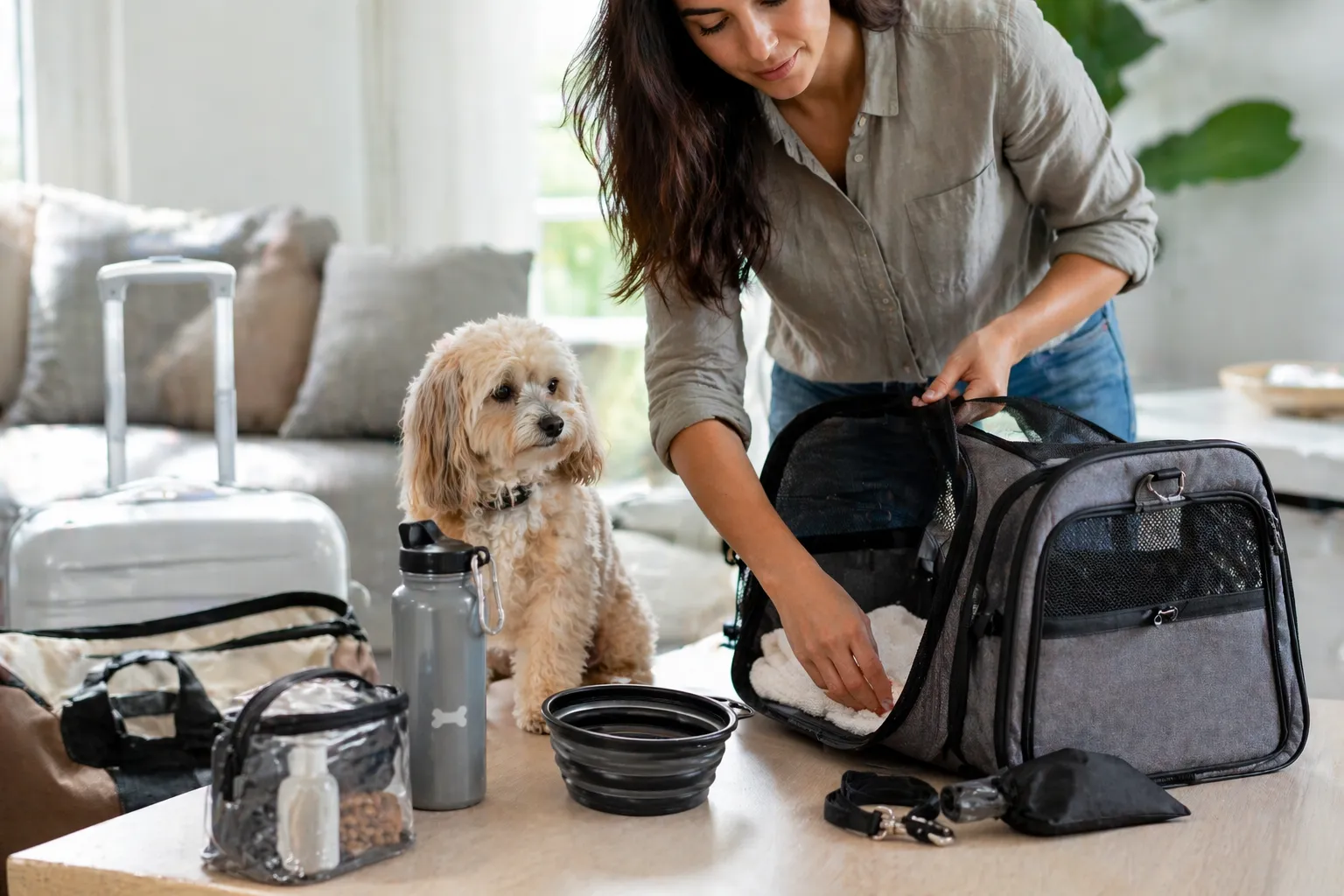
Prepare the dog well in advance of travel to reduce stress-related barking. Acclimate the dog to the carrier through staged exposure and rewards. Provide familiar bedding, toys, and chews to create a consistent comfort cue. Complete a pre-trip health check to confirm fitness for travel and to reduce the risk of anxiety triggered by medical issues.
Create a progressive carrier program. Begin by leaving the carrier out as part of the dog’s daily environment with the door open and treats inside. Over several days, increase the amount of time the dog spends voluntarily in the carrier while you remain nearby. Next, close the door for short periods with the dog inside while you perform calm activities nearby. Gradually increase duration and incorporate gentle movement such as brief walks with the carrier in the car to simulate travel sensations.
Plan a travel timeline at least two to four weeks before a scheduled trip, allowing the dog to adapt to carrier use, any calming garments, or supplements. Include mock travel sessions that mimic the travel routine: packing the carrier, short rides, and practice check-in procedures when possible. Familiar routines reduce novelty and associated barking on travel day.
When applicable, select airline-compliant travel products to support comfort and compliance. Rover Ready Co offers carriers designed to meet airline requirements while supplying features intended to increase security and calmness for anxious dogs. Verify dimensions and documentation well before departure to reduce last-minute changes that may increase the dog’s stress.
What Causes Dog Barking Related to Separation Anxiety?
Separation anxiety arises when a dog experiences distress from being separated from its owner. The condition manifests through persistent vocalisation and other stress behaviours. Identifying the psychological and environmental contributors helps to design a treatment plan that reduces barking and improves the dog’s coping ability.
Common contributors include changes in household routine, sudden increases in alone time, or previous negative experiences associated with being left. Environmental factors such as high-traffic window views, loud street noise, or a lack of physical and mental stimulation also play a role. Addressing these contributors reduces the frequency and intensity of anxiety-driven vocalisations.
Individual factors matter: age, temperament, socialisation history, and prior training all influence how a dog responds to separation. Puppies may vocalise from underdeveloped coping skills, while older dogs can develop separation-related barking following a change in household composition or health status. Tailor interventions to the dog’s life stage and background.
What Are the Common Symptoms of Barking Due to Anxiety?
Identifying anxiety-related barking requires monitoring for associated signs. These indicate heightened stress and warrant behavioural or medical intervention.
- Excessive Barking or Whining: Vocalizations that occur when the owner is absent.
- Physical Signs: Experienced dogs may show signs such as panting, drooling, or pacing.
- Attempts to Escape or Hide: Behavior that indicates distress, including scratching at doors or attempting to hide in small spaces.
Document the frequency and context of these symptoms to inform training plans or veterinary assessments. Accurate records improve treatment selection and monitoring.
Other accompanying signs to track include changes in appetite, elimination in the house, self-injury (excessive chewing or licking), and restlessness. Video recordings are particularly helpful because behaviour can escalate quickly and may be missed in real time. Videos let trainers and veterinarians observe triggers and the sequence of responses, making intervention planning more precise.
Which Dog Training Techniques Reduce Barking from Anxiety?
Apply structured training to reduce anxiety-driven barking. Use positive reinforcement to reward calm behaviour and implement desensitisation exercises to reduce reactivity to triggers. Incrementally increase exposure intensity while ensuring the dog remains below its stress threshold. Combine training with environmental adjustments and product support as required.
Practical desensitisation example: if the dog barks when the owner approaches the door, break the sequence into small steps. First, cue the owner to pick up keys without opening the door and reward calm behaviour. Over sessions, progress to touching the doorknob, opening the door a crack, and finally stepping outside briefly before returning. Each step should be repeated until the dog shows minimal stress before moving to the next.
Counterconditioning pairs a previously stressful cue with a positive outcome. For instance, if storms trigger barking, feed high-value treats or play a favourite game during calm weather when distant thunder is simulated at low volume. Gradually increase exposure while maintaining positive associations. These methods require time and consistent application but produce durable change.
What Are the Best Dog Calming Products to Manage Barking?
Several categories of calming products support anxiety management. Commonly used options include calming treats, chews formulated for anxiety, and pheromone-based diffusers. Select products based on evidence of effectiveness and the dog’s individual response.
- Calming Treats: These treats often contain natural ingredients designed to promote relaxation and calm.
- Calming Chews: Similar to treats but formulated to specifically address anxiety with ingredients like casein, chamomile, or valerian root.
- Pheromone Diffusers: These products release calming pheromones that can help soothe nervous dogs.
Seek veterinary advice before introducing new supplements or medicated products to confirm appropriateness and dosing for the specific dog.
Evaluate side effects and contraindications. Some herbal components can interact with prescription medications or have age-related cautions. Keep a record of any adverse reactions and stop use if the dog shows digestive upset, increased lethargy, or behavioural changes that indicate sensitivity. Work with a veterinarian to select safe dosages and to monitor responses over time.
How to Select Airline Approved Pet Carriers for Anxious Dogs?
Select carriers that allow a dog to stand, turn, and lie down comfortably and that meet airline dimensions and safety standards. Prioritise breathable materials, secure fastenings, and adequate padding. Verify airline policies in advance to reduce last-minute complications and to minimise stress for the dog during transit.
Measure your dog accurately: measure height from the floor to the top of the head or ears (whichever is higher) and length from the tip of the nose to the base of the tail. Add clearance to ensure comfort. Pay attention to the carrier’s ventilation and entry points so you can place familiar bedding and arrange access to calming items. Test the carrier in advance with the dog’s preferred bedding and toys to ensure it feels inviting.
Confirm documentation requirements for the airline, particularly for international travel. Some carriers must meet specific under-seat dimensions or construction standards for in-cabin transport; others may require proof of health checks or permits. Early preparation prevents surprises that could lead to rushed changes and increased anxiety on travel day.
How Do Soft-Sided Carriers Contribute to Dog Comfort and Calmness?
Soft-sided carriers offer a snug, enclosed environment that can be less intimidating than rigid crates. Their compatibility with under-seat storage permits proximity to the owner, which can reduce anxiety. Choose a carrier with reinforced structure and ventilation to balance comfort with safety.
Look for carriers with removable, washable bedding pads and secure, multiple ventilation panels that maintain airflow without creating drafts. A secure top and front opening allow calm access in busy airport settings. Reinforced bases help the carrier keep shape so the dog can rest without the sides collapsing when pressure is applied.
Test the carrier during short outings to acclimate the dog and to check for any signs of discomfort, rubbing, or anxiety. Use the carrier as a positive, daily resting spot rather than only bringing it out for travel to reduce novelty and associated barking when travel approaches.
What Travel Essentials Help Reduce Dog Barking During Flight?
Assemble travel items that address comfort, hydration, and anxiety management. Appropriate supplies reduce triggers for barking and support calm behaviour during transit.
- Comfortable Bedding: Familiar bedding can make the carrier feel more secure.
- Calming Aids: Including calming chews or sprays can help mitigate anxiety during the flight.
- Water and Food Supplies: Having supplies on hand for feeding or hydration at appropriate times can prevent stress.
Pack items in an accessible manner and plan feed and hydration times to maintain routine. Proper preparation reduces in-transit stress and associated vocalisation.
Include a small first-aid kit with items recommended by your veterinarian, paperwork including vaccination and health certificates, and a recent photo of your dog in case of separation. Keep comfort items near the top of your carry-on so you can quickly replenish bedding or replace toys between travel segments if necessary.
What In-Flight Calming Techniques Improve Barking Behavior?
Implement targeted in-flight strategies to reduce barking. Monitor the dog for signs of distress, provide calm verbal reassurance when appropriate, and use approved calming aids as needed. Maintain a controlled environment within the constraints of the flight.
- Monitoring Behavior: Staying attentive to the dog's reaction to stimuli can help manage potential trigger points for barking.
- Providing Reassurance: Speaking softly or gently reassuring the dog can foster feelings of safety.
- Using Calming Aids: Utilizing calming sprays or treats can provide an immediate effect in an unfamiliar environment.
Keep interactions calm and brief to avoid increasing arousal. If you comfort the dog, use soft tones and slow movements to signal safety rather than excitement. If a dog begins to escalate, reduce stimulation by covering partially with a light blanket (ensuring ventilation) or by offering a low-intensity distraction such as a safe chew toy that can be consumed slowly.
Coordinate with airline staff when possible. Inform flight attendants discreetly of your dog’s needs and ask for guidance about movement in the cabin if necessary. Do not remove the dog from the carrier unless permitted and safe; sudden removal can increase stress and barking.
How to Integrate Compliance Guides and Product Collections for Better Travel?
Review airline compliance guides before travel and match product choices to those requirements. Align carrier selection and accessory packing with documented regulations to prevent delays and reduce stress for the dog. Rover Ready Co carriers combine compliance features with comfort elements to support secure travel when used in accordance with airline policies.
Create a pre-travel checklist that includes carrier size verification, required paperwork, medication planning, and a trial run with the dog. Cross-reference airline policies with the dimensions and materials of your chosen carrier to ensure under-seat fit and permitted items. This proactive approach prevents last-minute modifications that could heighten anxiety for both dog and owner.
How Do Product Collections Facilitate Calm Dog Travel?
Curate a set of complementary products—carrier, bedding, calming aids, and familiar items—to form a consistent comfort system for the dog. Using items that work together reduces uncertainty and supports predictable responses during travel. Test the collection in low-stress settings prior to long trips.
Assemble a core kit to reuse for multiple trips so the dog learns to associate the entire set with travel preparedness rather than each item being a new stimulus. Replace consumables like treats and disposable pads as part of a routine pack checklist so the core kit remains consistent and familiar at departure.
How to Monitor and Update Dog Barking Content with Veterinary Data?
Maintain current practices by consulting recent veterinary literature on canine anxiety and behavioural therapy. Update training protocols and product recommendations based on validated findings. Incorporate veterinary feedback into routine assessments to keep management strategies aligned with best practices.
Keep a behavioural journal that documents interventions, the dog’s responses, and any veterinary recommendations. Periodically review this record with your veterinarian or behaviourist to refine approaches. When new products or therapies are introduced, document trial dates, outcomes, and any side effects to inform future decisions.
Frequently Asked Questions
What should I do if my dog barks excessively at home?
Identify the triggers for the barking and document their frequency and context. Implement reinforcement-based training to reward silence and increase physical and mental stimulation. If behaviour persists, consult a veterinarian to exclude medical causes and to discuss appropriate calming products or therapies.
Practical first steps include increasing exercise tailored to your dog’s age and breed, scheduling short periods of alone time that start brief and gradually lengthen, and enriching the environment with puzzle feeders or interactive toys. If the barking is linked to specific external cues (walkers, traffic), add desensitisation exercises gradually until the dog tolerates those stimuli with less reactivity.
How can I recognize if my dog's barking is a sign of distress?
Look for concurrent stress indicators such as pacing, panting, drooling, or escape attempts. Note whether vocalisation occurs in specific situations, such as when left alone or during storms. Use these observations to determine whether behavioural intervention or medical evaluation is required.
Record episodes to share with a veterinarian or trainer. Patterns like consistent escalation shortly after the owner departs strongly suggest separation-related distress. Sudden onset of barking in an otherwise calm dog may indicate pain or a medical issue and warrants prompt veterinary assessment.
Are there specific calming aids that work better for certain dog breeds?
Effectiveness varies by individual temperament and breed tendencies. Breeds prone to anxiety may respond well to pressure vests or pheromone products, while high-energy breeds benefit from structured exercise combined with calming supplements. Consult a veterinarian to select products tailored to the dog’s profile.
Consider size and coat type when selecting products. Larger dogs may need different dosage ranges for supplements and may not suit certain harness-style garments. Short-coated breeds can use pressure vests comfortably, while long-coated breeds may experience more heat retention; choose breathable fabrics and monitor comfort.
What preparation steps can help my dog adjust to new environments?
Introduce new environments gradually and use short, controlled exposures to build tolerance. Provide familiar items and reward calm behaviour to establish positive associations. Increase exposure duration incrementally while monitoring the dog’s stress signals.
Practice arrival routines in advance: enter new spaces briefly, use calm praise, and leave while the dog is relaxed so the first experience ends positively. Repeat and extend time in the environment slowly, pairing visits with high-value rewards or play to encourage reliable, calm behaviour.
How can I train my dog to respond better in public spaces?
Use consistent socialisation and training in progressively challenging settings. Reward calm, focused behaviour and manage distractions to reinforce desired responses. Consider professional classes or targeted trainer support for structured skill development.
Start in low-distraction areas and gradually increase complexity by adding distance, movement, and different environments. Use short sessions with clear criteria for success; for example, reward the dog only if it remains below a predefined arousal level during a specific stimulus. This clarity improves learning and reduces confusion that can trigger barking.
What role does regular veterinary check-ups play in managing barking behavior?
Routine veterinary evaluations identify health issues that may cause or worsen anxiety-related barking. A veterinarian can advise on diagnostic options, recommend appropriate products or therapies, and guide adjustments to management plans based on clinical findings.
Discuss any behaviour changes with your veterinarian, including sudden increases in vocalisation, because medical conditions such as pain, cognitive decline, or sensory loss can alter behaviour. Periodic reviews ensure that interventions remain suitable as the dog ages or as health status changes.
What additional resources are available for managing a dog's barking?
Available resources include specialist books, accredited online courses, certified trainers, and behaviourists. Support groups and professional consultations provide case-specific guidance. Combine these resources with veterinary input for a comprehensive management plan.
Seek professionals accredited by recognised organisations in your country and request references or case examples. Practical, hands-on coaching often accelerates progress when owners encounter persistent or complex barking problems.
Conclusion
Effective barking management combines assessment, training, and appropriate calming products. Adequate travel preparation and the use of compliant carriers reduce stress during transit. Apply the methods outlined and consult professionals as needed to improve outcomes for both the dog and the owner.
Consistent recordkeeping, gradual conditioning, and collaboration with veterinary and behaviour professionals create durable improvements. With patience and a structured approach, many dogs learn to manage stress more effectively, leading to fewer disruptive barking episodes and more positive travel experiences.


