

airline compliance guideAirline approved pet carriers
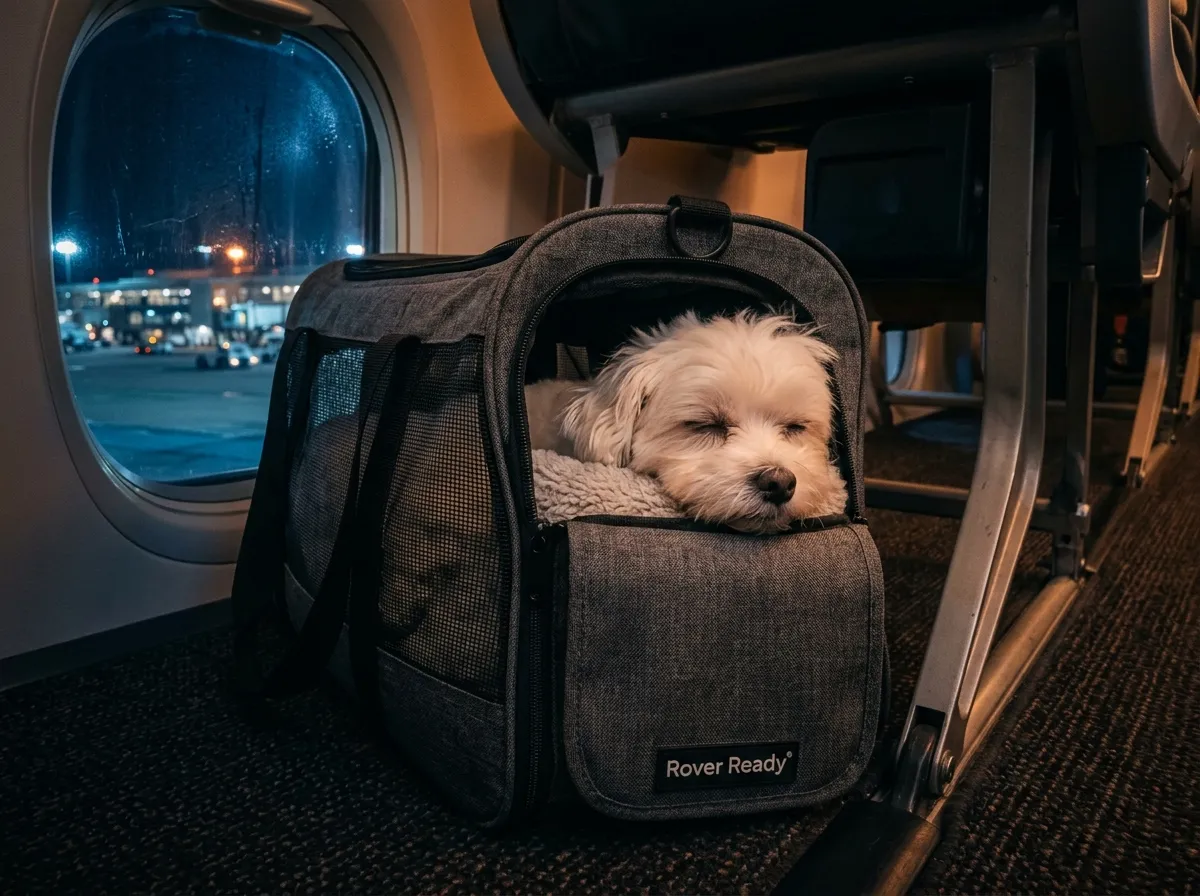
By Craig Roberts, Rover Ready Co
Recognizing signs of anxiety in dogs is essential for owners who support their animals. Dogs can experience anxiety for multiple reasons; identifying symptoms is the first step toward effective relief. This guide outlines common indicators and practical strategies to improve comfort during stressful situations, including travel.
This article examines the following areas: common signs of dog anxiety; causes related to air travel; relief strategies, including pre-travel preparation and calming techniques; how RoverReadyCo products can assist; signs to monitor during and after travel; and when to consult professionals.
Key Takeaways
- Recognizing dog anxiety involves observing behavioral and physical symptoms such as vocalization, panting, and hiding.
- Air travel anxiety in dogs often stems from confinement, unfamiliar environments, and separation from owners.
- Preparation before travel, including carrier familiarization and veterinary consultation, reduces dog anxiety effectively.
- Calming techniques like soothing music, comfort items, and owner calmness help manage anxiety during flights.
- Behavioral training with desensitization and positive reinforcement supports long-term anxiety relief in dogs.
- Airline-approved soft-sided carriers with proper ventilation and padding enhance comfort and reduce travel stress.
- Monitoring dogs during and after travel for vocalizations and behavioral changes helps identify persistent anxiety.
- Natural remedies such as chamomile may aid relaxation but require veterinary approval before use.
- Consulting veterinarians is essential when anxiety symptoms persist or worsen after travel.
Use these takeaways as a quick checklist when preparing for travel: note your dog’s baseline behavior, gather familiar items, allow time for gradual exposure to carriers and travel noise, and schedule a veterinary check if you have concerns. Simple, repeatable steps taken weeks before travel yield better outcomes than last-minute fixes.
Recognizing Signs of Dog Anxiety:
Dogs display behavioral and physical indicators of anxiety such as vocalization, hiding, panting, and lip licking. Early recognition permits prompt intervention and improves management outcomes.
When watching for signs, consider frequency and context: a single panting episode during heat may be normal, but repeated panting or whining when entering a carrier suggests stress linked to the situation. Keeping short notes about when signs occur helps establish patterns and guides targeted responses.
Common Causes of Dog Anxiety During Air Travel:
Common triggers during air travel include confinement in carriers, unfamiliar surroundings, and separation from the owner. Anticipating these causes enables effective mitigation planning.
Some dogs react strongly to the combination of new smells, strange handling, unfamiliar people, and altered routines. Identifying which of these factors affects your dog most—space, noise, separation, or motion—lets you prioritize preparation steps and select appropriate calming strategies.
A recent study documents the prevalence of anxiety and stress in dogs during air travel, reinforcing the need for mitigation strategies. airline compliance guide
Canine Anxiety and Stress Associated with Air Travel
The authors report anxiety and stress during air travel and note that historical use of acepromazine and its adverse effects likely influenced prevailing perspectives.
How well do dogs cope with air travel? An owner-reported survey study, 2023
Effective Relief Strategies:

Implement structured strategies to reduce travel-related anxiety. Preparation—such as carrier familiarization and routine establishment—reduces stress. Behavioral training and selected natural remedies can provide longer-term benefit, while specific calming techniques assist during flights.
Effective relief combines practical preparation, short practice exposures, and in-the-moment calming actions. Think of it as three layers: baseline training and desensitization weeks before travel; pre-trip checks and packing; and immediate in-transit measures to comfort the dog.
Preparation Before Travel:
Proper preparation reduces pre-travel anxiety. Implement the following essential practices:
- Carrier Familiarization: Gradually introducing dogs to their travel carriers can help reduce anxiety levels. Owners should allow their pets to explore the carrier at home before travel.
- Consulting a Veterinarian: A pre-travel consultation can ensure dogs are fit for travel and may yield recommendations for calming products if necessary.
- Gradual Exposure: Acclimatizing dogs to travel conditions through short trips can help them adjust and diminish anxiety.
Carrier familiarization done in stages works best: leave the carrier open in a quiet room, place treats and bedding inside, then close the door for short intervals while the dog is comfortable. Over several days increase the duration and, when ready, practice short car rides with the carrier to simulate movement. Reward calm behavior at each step so the carrier becomes associated with positive experiences. dog carriers
Calming Techniques:
Apply calming techniques during travel to reduce acute anxiety. Techniques include:
- Calming Music: Playing soothing music can help create a peaceful environment for traveling dogs.
- Comfort Items: Bringing familiar items, suchs as a favorite blanket or toy, can provide reassurance.
- Owner's Calm Demeanor: A relaxed owner can convey safety and security, positively impacting the dog's anxiety levels.
Timing matters: play calming music or provide comfort items immediately when the dog enters the carrier and maintain a steady, low-volume environment. Use scent cues from home—an unwashed blanket, for example—to offer familiar smells. Owners should modulate their voice and movements to avoid sudden actions that might amplify the dog’s arousal.
Behavioral Training:
Adopt behavioral training to manage anxiety over time. Effective strategies include: news
- Desensitization: This involves gradually exposing dogs to their carriers and travel environments, helping them to build confidence and reduce fear.
- Positive Reinforcement: Rewarding calm behavior during training sessions fosters positive associations with travel experiences.
A simple, repeatable training schedule can accelerate progress: short, daily sessions of 5–10 minutes that focus on entering the carrier, sitting calmly, and receiving treats work better than long, infrequent drills. Keep sessions positive and end on a calm note. Track small wins—longer tolerance, reduced vocalization—and build on them. For more information on suitable carriers, visit airline approved pet carriers.
Consulting a Veterinarian:
Owners should recognize when to seek professional evaluation for severe anxiety. Veterinarians can recommend calming aids and therapies tailored to the dog's specific needs.
When consulting a vet, provide a short history of observed behaviors, recent stressors, and results from any at-home training. Veterinarians can suggest behaviorists, non-prescription calming aids, or, when appropriate, medical interventions. Follow-up visits allow assessment of whether recommended measures are effective and whether adjustments are needed.
Natural Remedies:
Natural remedies may include herbal supplements such as chamomile and valerian root, which can promote relaxation. Owners must consult a veterinarian before introducing supplements to confirm safety and suitability.
Owners should watch for interactions with existing medications and observe for any side effects after introducing a new supplement. Start with a small test dose during a low-stakes situation to evaluate the dog’s response before travel day.
In-Flight Management:
Manage behaviour during the flight by ensuring adequate hydration and by monitoring the dog to provide reassurance as required.
Offer water before boarding and again when feasible during longer journeys. For in-cabin travel, brief, calm interactions and gentle reassurance help. Avoid forcing interaction if the dog retreats; instead, speak softly and wait for voluntary calm behavior before offering treats. If the trip will be long, plan rest and exercise before travel to help the dog settle. airline compliance guide
Research examines the physiological and behavioral effects of air travel on dogs, comparing responses with and without sedation. airline approved pet carriers
Physiological and Behavioral Responses of Dogs to Air Transportation
A study was conducted utilizing twenty-four Beagles to assess their physiological and behavioral responses to air transportation. The cohort was divided into three groups of eight dogs, with each group comprising four sedated animals (administered 0.5 mg/kg body weight of acepromazine maleate) and four non-sedated control animals. Each group underwent a separate flight segment between Montreal, Quebec, and Toronto, Ontario, following ground transportation from Quebec City to Montreal. Saliva and blood specimens were collected at predefined intervals: prior to ground transportation, prior to air transportation, and subsequent to air transportation.
Physiology and behavior of dogs during air transport, R Bergeron, 2002
What Are the Common Behavioral Signs of Dog Anxiety?
Recognize the following behavioral signs for early intervention:
- Excessive Vocalization: Barking, whining, or howling can indicate distress.
- Hiding: Dogs may seek out confined spaces to escape perceived threats.
- Pacing and Restlessness: A repetitive movement pattern often signifies anxiety.
Behavioral signs can appear together or separately. For example, a dog that paces and barks during loading may calm with a familiar toy, while another dog might hide silently. Observing how your dog expresses stress—loud vs. withdrawn—guides the choice of calming tactics.
How to Identify Changes in Dog Behavior Related to Anxiety
Monitor behaviour regularly to detect shifts that may indicate anxiety. Identify situational triggers and implement supportive strategies promptly.
Keeping a simple log—date, situation (carrier, airport, waiting area), signs observed, and what you tried—helps track trends and measure improvement after changes in preparation or interventions. Share this record with your veterinarian or behaviorist during consultations.
What Physical Signs Indicate Stress or Anxiety in Dogs?
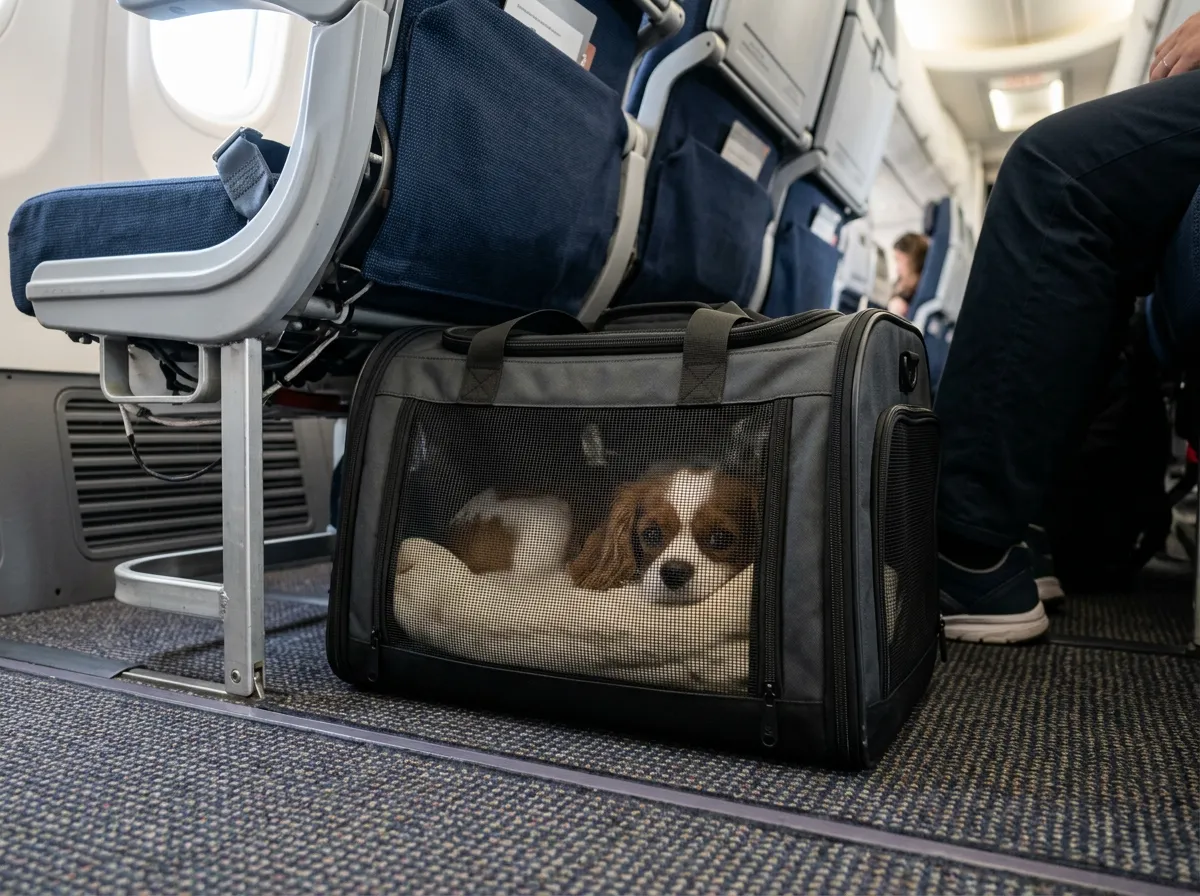
Physical indicators of anxiety include panting, lip licking, and trembling or shaking. Track these signs to assess the dog’s stress level.
Some physical signs can mimic other health issues, so if new or severe symptoms appear—collapse, vomiting, severe lethargy—seek veterinary care promptly. For milder signs related solely to stress, document frequency and severity and adjust calming strategies accordingly.
What Causes Anxiety and Stress in Dogs?
Common causes include separation anxiety, fear of loud noises, and changes in environment. Identifying the trigger supports targeted management.
Triggers may overlap (for instance, separation plus unfamiliar noise), so addressing multiple elements—exercise, scent, routine—often yields the best reductions in anxiety. Small, consistent changes to routine can make a meaningful difference over time.
Which Environmental and Travel Factors Trigger Dog Anxiety?
Travel-related stressors include confinement in carriers, loud and crowded spaces, and unfamiliar surroundings that lack familiar scents and sounds. Plan mitigation steps accordingly.
Practical mitigation steps include arriving early to avoid rushed boarding, choosing quieter times of day to travel when possible, and using familiar bedding to preserve scent cues. Prioritizing predictability in small ways—consistent meal times and brief exercise before travel—helps stabilize the dog’s expectations.
How Do Breed and Age Influence Anxiety Symptoms in Dogs?
Breed temperament and age influence anxiety presentation. Older dogs may display different signs due to cognitive changes; tailor management strategies to the individual animal.
Puppies may need extra gradual exposure and frequent reassurance, while senior dogs benefit from routines that account for mobility or sensory changes. Consider shorter trips and frequent rest stops for older animals, and consult a veterinarian about age-appropriate calming approaches.
How Can Dog Anxiety During Travel Be Managed Effectively?
Effective management includes preparation, use of calming products, and application of positive reinforcement training.
- Preparation: Familiarizing the dog with their travel environment beforehand.
- Calming Products: Utilizing items designed to alleviate anxiety.
- Positive Reinforcement Techniques: Training owners can implement to build a travel-associated calm for their dogs.
Combine these components into a single plan: plan practice trips, choose one or two calming products to try before travel, and use consistent rewards for calm behavior. Test each element in low-pressure settings and keep successful strategies for the actual trip.
What Calming Techniques Help Reduce Anxiety in Traveling Dogs?
Use these calming techniques during travel: calming techniques
- Gentle Touch: Simple petting can be soothing.
- Deep Breathing: Encouraging a calm atmosphere through controlled breathing from the owner can have a soothing effect on the dog.
- Calming Products: Products such as calming collars can provide additional support.
Small, deliberate actions—slow petting, measured voice tones, and predictable movements—help a dog orient to safety. Calming collars or pheromone sprays are most useful when introduced ahead of time so the dog associates them with normal, relaxed conditions. For more information, visit our blog.
How Does Selecting Airline-Approved Soft-Sided Carriers Alleviate Anxiety?
Select airline-approved soft-sided carriers that provide comfortable padding, adequate ventilation, and a familiar interior to reduce travel-related anxiety.
Carriers that open on multiple sides can make loading easier and less stressful; look for secure closures that still allow quick visual checks so you can reassure the dog without fully exposing them to the surrounding environment.
Which Features Define an Airline-Approved Pet Carrier for Dog Comfort?
Key carrier features include correct dimensions to meet airline requirements, safety features such as secure closures and durable materials, and sufficient interior padding for wellbeing.
Interior non-slip pads and washable liners both increase comfort and make cleanup straightforward. Choose a carrier that balances regulation compliance with design elements—padding, ventilation, and visibility—that reduce sensory stress for the dog.
What Are the Compliance Requirements for Airline Pet Carriers?
Compliance considerations include size restrictions specified by airlines, use of appropriate durable materials, and carriers that meet safety evaluations.
Always confirm airline-specific requirements well before travel—rules vary by carrier and region—and keep required documentation accessible during check-in to avoid delays that can aggravate a nervous dog.
How Do Carrier Design Elements Support Dog Anxiety Relief?
Design elements that support relaxation include proper ventilation, adjustable internal space, and visibility that allows owners to monitor and reassure their pet.
Consider covers or removable panels that reduce external visual stimulation while keeping airflow adequate. The goal is to create a den-like environment that feels secure while remaining safe and compliant.
What Are the Signs to Monitor During and After Pet Travel?
After travel, monitor for increased vocalisation, notable behavioral changes, and physical restlessness as indicators of ongoing anxiety.
Monitor appetite, sleep patterns, and normal interaction levels for several days after travel. Short-term changes are common; persistent shifts over a week or more warrant follow-up with a veterinarian or behaviorist.
How to Recognize Persistent Stress Signs in Dogs Post-Travel?
Track behavioural patterns after travel to detect persistent stress and respond early to prevent development of chronic anxiety.
Persistent signs include ongoing avoidance, repeated pacing, disrupted sleep, or sustained gastrointestinal upset. If these persist despite comforting routines, obtain a professional evaluation to adapt a longer-term plan.
What Steps Should Owners Take if Anxiety Symptoms Persist?
If anxiety persists, implement proactive measures such as:
- Creating a Comforting Space: Establish a familiar and safe area for the dog to retreat to.
- Re-establishing Routine: Consistency can provide a sense of security for anxious dogs.
- Consulting a Veterinarian: Professional assistance may be necessary for dogs exhibiting ongoing anxiety.
Set up a short recovery timeline: rest and limited stimulation for the first 24–72 hours, gradually resuming normal activities as the dog shows signs of calm. Use the log you kept during travel to identify possible triggers to avoid or reduce in future trips. dog carrier shoulder bag
How Does RoverReadyCo Support Anxiety Relief Through Product and Education?
RoverReadyCo provides travel-focused products and educational resources designed to mitigate dog anxiety. Their airline approved carriers are constructed to comply with travel requirements while prioritizing the dog’s comfort. Educational materials assist owners in recognizing symptoms and applying effective relief strategies.
Product choices paired with clear, practical instructions help owners implement desensitization, carrier familiarization, and packing checklists. Educational resources that include step-by-step practice plans shorten the learning curve and increase the chance of a calm travel experience.
What Educational Resources Help Understand Dog Anxiety Symptoms?
Useful educational resources include informational guides on symptoms and management, training resources for behavioural techniques, and travel checklists to ensure thorough preparation.
Look for guides that provide short exercises you can repeat daily, visual cues to measure progress, and troubleshooting tips for common setbacks. These resources are most effective when used consistently in the weeks leading up to travel.
How Do Soft-Sided Carriers from RoverReadyCo Comply and Comfort?
RoverReadyCo’s soft-sided carriers combine compliance and comfort. Their design enhances travel comfort and aims to secure a calming environment while meeting airline regulations.
Customers should test a carrier at home for size, comfort, and ease of entry before travel day. A carrier that your dog accepts in low-stress settings is much more likely to be effective during transit.
How to Prepare Your Dog for Stress-Free Airline Travel?
Prepare by familiarising the dog with the carrier, packing comfort items such as toys and blankets, and completing pre-travel veterinary health checks. airline approved pet carriers
Start the preparation routine several weeks before travel: short, positive carrier sessions, a few trial rides, and gradually extending time away from the home environment. Maintain feeding and exercise schedules as closely as possible to reduce unpredictability. Airline approved pet carriers
What Are the Step-by-Step Airline Compliance Guidelines for Pet Travel?
Review airline compliance guidelines and ensure required documentation and carrier specifications are satisfied prior to travel.
Checklist items include updated vaccination records, health certificates if required by the airline, carrier dimensions that match policy, and any required forms completed in advance. Having these items organized reduces stress at check-in.
Which Calm-Down Strategies Are Recommended Before Flight Day?
Recommended pre-flight strategies include introducing carriers several weeks in advance, using calming aids prior to travel, and reinforcing calm behaviour through positive reinforcement.
Schedule a moderate exercise session on the morning of travel to help expend excess energy, then allow quiet rest time before departure. Avoid heavy meals right before travel to minimize digestive discomfort that can aggravate stress.
How Can Dog Owners Monitor Stress Through Behavioral and Physical Signs?
Monitor behavioural and physical indicators regularly to detect stress early and implement appropriate interventions.
Use concise daily notes or a simple app to record observations—this makes patterns visible and supports informed conversations with a veterinarian or trainer when needed. Regular monitoring also helps owners feel more in control and responsive to their dog’s needs.
Frequently Asked Questions
What should I do if my dog shows signs of anxiety during travel?
Remain calm and provide reassurance. Ensure the dog has access to water and is positioned comfortably within the carrier. Offer gentle petting or a familiar toy and play soft music if available. If anxiety continues, consult a veterinarian for guidance on calming aids or behavioural therapy.
How can I tell if my dog's anxiety is severe?
Severe anxiety may present as persistent excessive vocalisation, destructive behaviour, or inability to relax in familiar settings. Physical signs such as trembling, excessive licking, or sustained panting are also indicators. If these signs occur consistently, obtain a veterinary assessment to determine appropriate treatment, which may include behavioural therapy or medication.
What are some common natural remedies for dog anxiety?
Common natural remedies include herbal supplements such as chamomile and valerian root, aromatherapy with dog-safe products, and pheromone diffusers. Obtain veterinary approval before introducing any remedy to confirm safety and suitability for the individual dog.
How long does it take for dogs to get used to air travel?
Adaptation time varies by temperament and prior experience. With systematic preparation—gradual carrier exposure and short practice trips—many dogs adapt within several weeks. Continued familiarisation and positive reinforcement shorten the adjustment period.
What should I include in my dog’s travel kit to help with anxiety?
Include a familiar blanket or toy, sufficient food and water, preferred treats, any required medications, and health documentation. Also pack practical items such as a leash, waste bags, and a portable water bowl.
Can training help reduce my dog's anxiety over time?
Yes. Desensitization and positive reinforcement reduce anxiety by gradually exposing the dog to travel stimuli in a controlled manner and rewarding calm behaviour. Consistent training promotes long-term behavioural improvement and confidence.
Should I consult my veterinarian before traveling with my dog?
Yes. Consult a veterinarian prior to travel for a health assessment, advice on managing stress and anxiety, and recommendations for suitable calming aids. A vet can confirm whether the dog is fit to travel and advise on any precautions.
Conclusion
Recognizing anxiety signs improves travel outcomes and overall welfare. Implement relief strategies and use supportive products, such as airline-approved carriers, to reduce stress during travel. Monitor behaviour and consult a veterinarian when necessary. Consider available calming products and educational resources to support a lower-stress travel experience.
With consistent preparation, attentive monitoring, and gradual desensitization, many dogs can travel with reduced stress. Owners who combine clear planning with patient training give their pets the best opportunity for a calmer, safer travel experience.


