


By Craig Roberts, Rover Ready Co
This guide summarises veterinary care, anxiety management, and air travel preparation for dogs. It describes common anxiety symptoms, veterinary-recommended calming options, and the requirements for airline-approved carriers. Use these practices to reduce stress and ensure safe, compliant travel for both owner and pet.
This article is aimed at dog owners, foster carers, and veterinary professionals looking for practical, clinic-aligned approaches to recognising anxiety, selecting calming products, and preparing pets for airline travel. It focuses on behaviourally informed, veterinarian-supervised strategies and on carrier compliance for typical commercial flights.
Key Takeaways
- Dog anxiety symptoms include excessive barking, panting, hiding, and specific body language like whale eye and tail tucking.
- Veterinarians diagnose dog anxiety through behavioral observations and health checks to rule out medical causes.
- Calming treats often contain natural ingredients like chamomile, valerian root, and L-tryptophan to reduce stress in dogs.
- Consulting a veterinarian helps select effective calming supplements tailored to a dog’s health and dietary needs.
- Airline-approved soft-sided dog carriers must meet size and ventilation standards for pet comfort and safety during travel.
- Proper preparation, including acclimating dogs to vet visits and packing familiar items, reduces stress during travel and appointments.
- Federal and airline regulations require health certificates, vaccinations, and carrier compliance for dogs traveling by air.
- Accredited veterinary clinics provide specialized anxiety management services and routine health checkups for dogs.
- Veterinary advice is essential for choosing safe calming products and compliant travel gear for dogs.
What Are Common Dog Anxiety Symptoms and How Do Vets Diagnose Them?
Dog anxiety presents through observable behaviors and physical signs. Veterinarians diagnose anxiety using structured behavioral observation and a physical examination to exclude medical causes. Early recognition enables targeted interventions to reduce distress and improve welfare.
Context matters: the same dog can show different signs at home, in the car, in the clinic, or at an airport. Owners should note when signs appear (specific triggers), how often they occur, and whether there are changes in appetite, sleep, or elimination that coincide with anxious episodes. Recording brief video clips for the veterinarian can speed diagnosis and provide objective evidence of the dog’s responses.
Which Behavioral and Physical Signs Indicate Dog Anxiety?
Behavioral indicators include excessive vocalisation (barking or whining), pacing, and attempts to escape. Physical signs include increased panting, drooling, hiding, and changes in posture. Specific body-language cues, such as visible eye whites ("whale eye") and tail tucking, also signal anxiety. Monitoring these signs supports timely veterinary assessment.
Severity ranges from mild agitation to more severe avoidance or aggression. Subtle signs — raised lip, lip-licking, yawning when not tired, freezing — may precede more obvious behaviours. Consider context: a dog that pants and paces only during thunderstorms requires a different plan than one that reacts across multiple settings.
What Veterinary Procedures Are Used for Dog Anxiety Diagnosis?
Veterinary assessment begins with systematic observation across contexts to identify triggers. A comprehensive health check rules out illness or pain that can mimic anxiety. The combined findings guide a diagnosis and form the basis for a tailored treatment plan.
Typical diagnostic steps include a detailed behavioural history (questions about onset, frequency, progression, and triggers), use of validated behaviour questionnaires, and a focused physical and neurological exam. When indicated, veterinarians may recommend baseline blood tests or pain screening to exclude medical contributors. If the case is complex, referral to a certified behaviourist or an integrated approach with a trainer may follow.
What Veterinary-Recommended Calming Treats and Supplements Help Dogs with Anxiety?

Veterinarians commonly recommend calming treats and supplements for situational stress, including vet visits and travel. These products are formulated to reduce acute anxiety and complement behavioural strategies when appropriate.
When used correctly, supplements can blunt acute symptoms and make training and desensitisation more effective. They are most beneficial when part of a multimodal plan that includes behaviour modification, environmental changes, and, when necessary, prescription medication under veterinary supervision.
Which Ingredients Are Effective in Veterinary Anxiety Supplements for Dogs?
Common effective ingredients include herbal extracts such as chamomile and valerian root, and amino acids like L-tryptophan. These compounds have documented calming effects and are frequently included in veterinary-recommended formulations.
Formulations vary in concentration and delivery form (chews, powders, liquids). Owners should be aware that individual response differs: one dog may benefit from a herbal chew while another needs a combination product. Always use veterinarian guidance to match ingredient choice and formulation to the dog’s size, age, and concurrent medications.
Mitigating Canine Stress and Anxiety: Therapeutic Interventions and Nutraceutical Approaches
Stress in animals is characterized by discernible disruptive behaviors, such as excessive vocalization, restlessness, stereotypical actions, and hypervigilance. Socialization significantly influences a pet's successful environmental adaptation; sociable canines exhibit greater comfort with novel individuals and unfamiliar contexts. Consequently, reducing stress and anxiety in companion animals is paramount for fostering positive social interactions and enhancing their overall welfare, as well as that of their owners. Gamma-aminobutyric acid (GABA) functions as the primary inhibitory neurotransmitter within the mammalian brain, with numerous anxiolytic pharmaceuticals modulating its receptor systems. Beyond the GABAergic system, serotonergic, dopaminergic, and noradrenergic pathways are implicated in the pathogenesis of anxiety and stress across various animal models and in humans. Furthermore, dysregulation of the hypothalamic-pituitary-adrenal (HPA) axis and the immune system may mediate social stress in animals, leading to aggressive or depressive phenotypes. While a range of anxiolytic medications are commercially available, dietary supplements and botanical extracts have demonstrated comparable calming effects with minimal to no addictive or adverse side effects. This chapter delineates the underlying mechanisms contributing to the development of stress and anxiety, and explores various nutraceuticals and compounds with the potential to ameliorate stress-related behaviors and improve social interactions in canines. Nutraceuticals for calming and stress, 2019
How to Choose Calming Treats Backed by Veterinary Advice?
Consult a veterinarian before selecting calming treats. Review ingredient lists for active components and verify compatibility with your dog’s diet and health conditions. Adopt products recommended or approved by your veterinarian to ensure safety and suitability.
Evaluate products using a simple checklist and discuss findings with your veterinarian before purchase:
- Ingredient clarity: active ingredients listed with amounts and no hidden proprietary blends.
- Formulation fit: chew size, palatability, and whether the form is appropriate for your dog’s age and dental health.
- Interaction review: ensure ingredients do not conflict with prescription medications or conditions like liver disease.
- Evidence and sourcing: prefer products with quality control statements, batch testing, or veterinarian recommendation.
- Monitoring plan: try a short supervised trial and report effects and any adverse signs to your veterinarian.
How to Select Airline-Approved Dog Travel Carriers: Size, Comfort, and Compliance
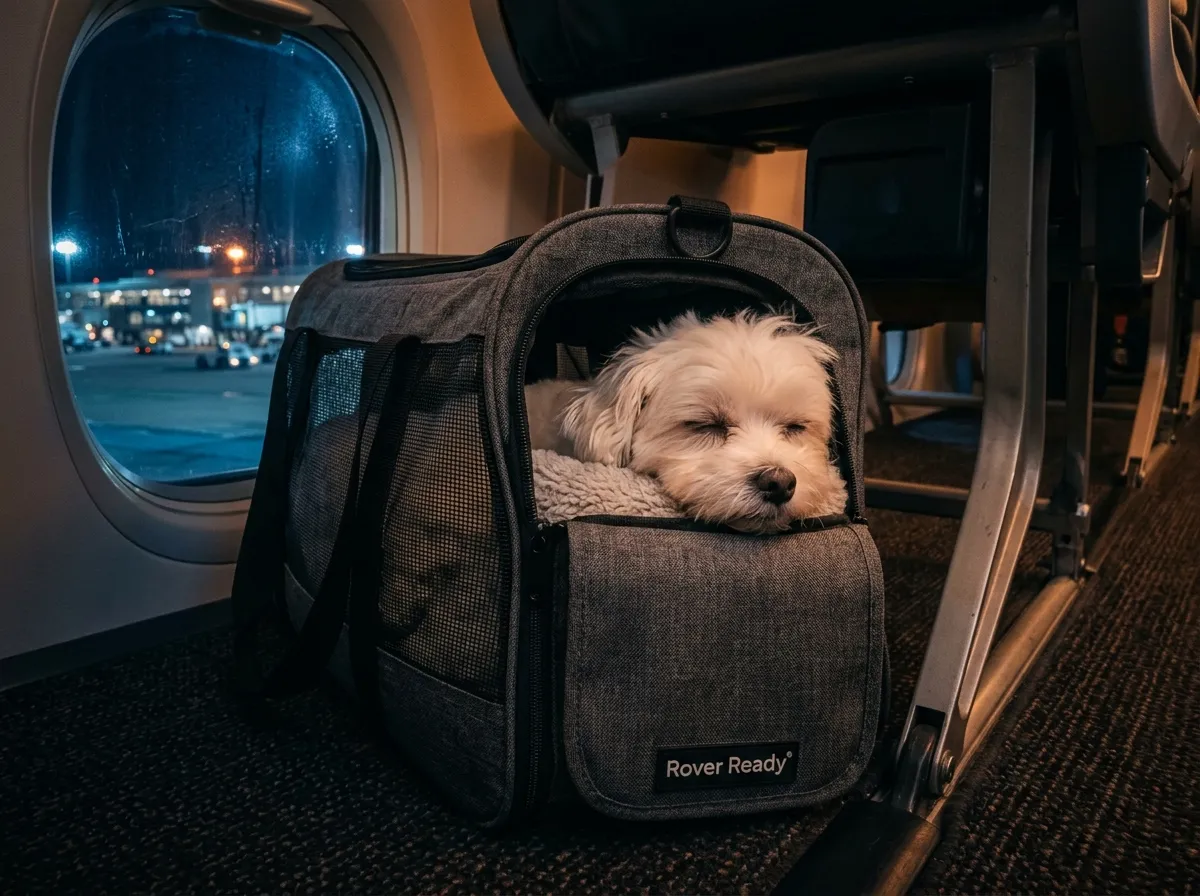
Select a carrier that complies with airline specifications for dimensions and ventilation while providing adequate space for the dog to stand, turn, and lie down. Proper fit and ventilation reduce stress and support in-cabin safety.
Beyond dimensions, look for practical features that improve day-of-travel comfort: secure but easily operable closures, multiple ventilation panels, interior attachment points for a harness or ID, and removable washable liners or pads. Soft-sided carriers generally fit under most cabin seats, but model fit varies by aircraft and airline policy.
What Are the Size Requirements for Airline Soft-Sided Dog Carriers?
Typical cabin carrier dimensions are approximately 18 inches long by 11 inches wide by 11 inches high, although exact limits vary by airline. Weight allowances for in-cabin pets commonly range from 15 to 20 pounds. Confirm the airline’s specific limits before travel.
Measure your dog carefully: from the tip of the nose to the base of the tail for length, and from the floor to the top of the head or ears for height while the dog is standing. Allow extra room for bedding and a small water bottle, and ensure the carrier still fits within the airline’s published envelope.
How Do Rover Ready Soft-Sided Carriers Meet Airline and Veterinary Comfort Standards?
Rover Ready Co supplies soft-sided carriers designed to satisfy common airline size and ventilation standards. These carriers include features such as adequate airflow, interior padding, and user access points to support pet comfort and handler convenience.
Key user-focused features to seek include reinforced base panels for stability, breathable mesh on multiple sides for airflow and visibility, secure fastenings that prevent accidental opening, and pockets or compartments to store documentation and small essentials. Comfortable carriers help dogs settle and reduce noise and movement that can exacerbate anxiety.
What Are Best Practices for Preparing Your Dog for Veterinary Visits and Air Travel?
Preparation reduces anxiety and improves outcomes. Acclimate dogs gradually to carriers and clinical environments, employ desensitisation exercises, and use veterinary-approved calming measures when indicated.
Start early and build positive associations: feed the dog in the carrier, place toys or treats inside, and practise short, pleasant car rides. Schedule non-procedural clinic visits so the dog can sniff and explore without an examination. Keep sessions short and end on a positive note to reinforce calm behaviour.
How to Reduce Dog Stress Before Vet Appointments?
Use positive reinforcement to reward calm behaviour. Conduct short, non-procedural visits to the clinic to build familiarity. Ensure the dog has appropriate exercise before appointments to lower excess energy.
Additional practical tips include applying veterinarian-recommended pheromone sprays or wipes on the carrier before travel, offering a low-stress treat immediately before and after the appointment when safe, and discussing pre-visit medication options with your veterinarian for dogs with severe clinic anxiety.
What Steps Ensure Stress-Free Air Travel for Dogs?
Plan travel logistics in advance: maintain hydration, pack familiar bedding or toys, schedule breaks if applicable, and ensure all required documentation is prepared. Clear planning reduces unforeseen stressors during travel.
Prepare a compact travel kit to keep with you in the cabin or at hand during gate time. This kit can include:
- Copies of health certificates and vaccination records in a waterproof sleeve.
- A familiar-smelling blanket or small toy to provide comfort inside the carrier.
- Calming chew or supplement if approved by your veterinarian, administered per guidance.
- Collapsible water bowl and a small bottle of water for short trips or delays.
- Waste bags and a small towel for unexpected accidents.
Which Regulatory Compliance Requirements Apply to Dog Travel with Airlines?
Compliance with federal and airline-specific regulations is required to avoid travel disruptions. Verify all documentation and carrier standards before departure.
Start the documentation process early: some health certificates are valid only for a limited number of days before travel, and processing times for international clearance can vary. Confirm whether your destination or transit countries require additional forms, import permits, or specific vaccine timing.
What Are Federal and Airline Regulations for Pet Air Travel?
Federal requirements commonly include a valid health certificate and current vaccinations. Airlines may impose additional requirements, such as proof of microchipping or specific paperwork; confirm conditions with the carrier prior to travel.
When travelling internationally, check embassy or consulate guidance as well as airline instructions: animal entry rules can include quarantine, health testing, or additional documentation. For domestic travel, verify if the receiving state or territory has extra requirements beyond the standard health certificate.
How to Confirm Your Dog Carrier Is Fully Airline Approved?
Compare the carrier’s dimensions and ventilation specifications against the airline’s published guidelines. When in doubt, contact the airline’s customer service for confirmation of approval.
Some carriers include manufacturer statements about airline acceptance; however, airline policies and aircraft cabin sizes differ. If possible, test-fit the carrier under a seat during booking or consult user reviews that specify the carrier model and airline for real-world fit information.
Where to Find Reliable Dog Vet Clinics Near Me for Routine Checkups and Anxiety Management?
Locate clinics with recognised accreditation and documented experience in behavioural medicine to ensure comprehensive care for anxiety and routine health needs.
In addition to accreditation, evaluate clinics by checking for staff training in low-stress handling, availability of behavioural consultations, and systems for appointment pacing (for example, separate waiting areas or timed entries). Read recent patient reviews and, if possible, call clinics to ask specific questions about experience with anxious dogs.
How to Identify Accredited Veterinary Clinics Specializing in Dog Anxiety?
Seek clinics accredited by recognised bodies such as the American Animal Hospital Association (AAHA) or those offering certified behaviour specialists. Accreditation and certifications indicate adherence to professional standards.
Ask prospective clinics about their collaboration with behaviourists or trainers, the use of evidence-based behaviour modification protocols, and whether they have experience prescribing and monitoring anxiolytic medications when required.
What Services Do Vet Clinics Offer for Pet Health Checkups and Anxiety Support?
Veterinary clinics provide routine examinations, vaccinations, diagnostic testing, and behavioural consultations. These services support preventive care and the management of anxiety-related conditions.
Many clinics also offer allied services such as in-house blood testing, pain management plans, and coordinated referrals to certified applied animal behaviourists. When arranging care, discuss follow-up intervals and measurable goals for behavioural change so progress can be tracked.
How to Link Veterinary Advice with Choosing Pet Health Products and Travel Gear?
Incorporate veterinary guidance when selecting supplements and travel equipment. A professional assessment aligns product choice with the dog’s medical history and behavioural profile.
Bring product labels or website links to appointments so your veterinarian can review active ingredients, assess safety, and recommend brands or alternatives based on the dog’s needs. Document the plan for when and how to use products, and define criteria for evaluating success or side effects.
Why Vet Recommendations Are Essential for Calming Supplements and Carriers?
Veterinary recommendations ensure that calming supplements and carriers are appropriate for the animal’s health status and travel requirements. Clinicians can advise on safety, interactions, and practical suitability for each dog.
Veterinarians can also prioritise measures based on risk: for example, advising non-pharmacologic interventions first for mild situational anxiety and escalating to prescription medications or specialist referral when conservative measures do not suffice.
Frequently Asked Questions
1. How can I recognize signs of stress in my dog during travel?
Observe behaviour for excessive whining, barking, panting, restlessness, or attempts to escape. Note physical cues such as drooling, crouching, or rigid posture. Familiarise the dog with the carrier and maintain a calm environment to reduce these responses.
2. What preparation should I do before taking my dog to the vet?
Conduct short, positive visits to the clinic to build comfort. Bring familiar items (blanket, toy) and use reward-based training to reinforce calm behaviour. Ensure the dog has exercised beforehand to reduce excess energy.
3. Are there natural remedies for dog anxiety during travel?
Certain natural options, including chamomile or valerian root supplements and cautiously used lavender, can support relaxation. Consult a veterinarian before use to confirm safety and appropriate dosing for your dog.
4. What should I do if my dog won’t adapt to airline travel?
Engage a professional trainer experienced in anxiety management and apply gradual exposure to the carrier. If necessary, consult your veterinarian about medical options to support travel. Prioritise the animal’s welfare in all decisions.
5. How often should I schedule veterinary checkups for my dog?
Healthy adult dogs typically require annual checkups. Puppies, senior dogs, or animals with medical conditions may need examinations every six months. Adjust the schedule based on veterinary advice and the dog’s health needs.
6. How can pet owners select the right calming products for their dogs?
Consult a veterinarian to match products to the dog’s health profile. Review ingredients for proven agents such as L-tryptophan or chamomile, and select reputable manufacturers with transparent labelling and positive user feedback.
7. What should I do with my dog’s paperwork when traveling by air?
Carry all required documents, including health certificates and vaccination records, in an accessible location. Verify airline-specific paperwork requirements in advance and ensure documents are current to prevent travel delays.
Conclusion
Prioritising veterinary care and structured anxiety management improves a dog’s quality of life. Recognise key anxiety symptoms, follow veterinary treatment recommendations, and ensure carriers meet airline standards to reduce travel stress. Review our range of calming supplements and travel gear designed for safe, compliant journeys with your dog.


