


By Craig Roberts, Rover Ready Co
Many owners observe anxiety in dogs during thunderstorms, fireworks, and travel. A Thunder Shirt applies gentle, constant pressure to reduce anxiety. This guide explains benefits, correct use, monitoring procedures, and travel-related considerations for managing canine anxiety. It also offers practical step-by-step instructions, fitting guidelines, and ways to combine the Thunder Shirt with environmental and behavioral strategies so owners can make informed, safe choices for their pets.
Key Takeaways
- Thunder Shirts provide gentle, constant pressure to calm dogs experiencing anxiety in stressful situations.
- They offer a non-invasive alternative to medication by mimicking a comforting hug to reduce stress.
- Proper fitting and gradual introduction maximize the Thunder Shirt's calming effectiveness for each dog.
- Combining Thunder Shirts with calming environments and behavioral training enhances anxiety relief outcomes.
- Using Thunder Shirts with airline-approved carriers improves comfort and security during pet travel.
- Monitoring your dog's response helps adjust fit and usage duration for optimal anxiety management.
- Selecting the correct Thunder Shirt size based on weight ensures comfort and effectiveness.
- Regular maintenance and timely replacement preserve the Thunder Shirt's functionality and durability.
- Individual results vary, so consulting a veterinarian can optimize anxiety relief strategies for your dog.
The points above summarize the practical value of a Thunder Shirt. In the sections that follow, each takeaway is expanded with concrete guidance and examples so you can apply these ideas at home, during travel, and when planning training or veterinary consultations.
Overview of Thunder Shirts
A Thunder Shirt is a vest that applies gentle, constant pressure to calm dogs. By simulating a hug, it can lower stress and improve behavior. Owners select Thunder Shirts as a non-invasive alternative to medication. Results vary by individual dog.
Thunder Shirts are designed to distribute mild pressure evenly across the torso, helping some dogs feel more secure. They are typically made from flexible, breathable materials so the dog can move and breathe comfortably. Because the effect is physical rather than chemical, many owners prefer trying a Thunder Shirt as part of a stepwise approach that prioritizes low-risk interventions first.
When considering a Thunder Shirt, think about the specific situations in which your dog becomes anxious (thunderstorms, separation, travel, vet visits). The product is intended to be one component of a broader plan that includes gradual habituation, environment changes, and—when needed—advice from a veterinarian or a qualified behaviorist.
Benefits of Using Thunder Shirts

A Thunder Shirt can improve a dog's well-being. Key benefits include:
- Calming Effect: The consistent pressure provided by a Thunder Shirt can help reduce anxiety and create a sense of security for dogs in distressing situations like thunderstorms or separation. For many dogs, pressure reduces hypervigilant behavior and lowers the intensity of fear responses, allowing them to rest or follow owner cues more easily.
- Non-Invasive Approach: Unlike anxiety medications, Thunder Shirts provide relief through physical comfort, avoiding pharmaceuticals and their potential side effects. Because they are non-pharmaceutical, they can often be used immediately and repeatedly without concern for drug interactions or dosing schedules.
- Versatile Use: Thunder Shirts can be used across various anxiety-provoking situations, including travel, vet visits, and social interactions, making them a multifunctional calming tool. They work well as part of a pre-emptive routine—for example, putting the shirt on before a scheduled fireworks display or car ride to help the dog remain calm as the event begins.
Beyond these primary benefits, owners often find that a Thunder Shirt can help during short-term transitions, such as adjusting to a new home or a temporary change in routine. Use with consistent, positive reinforcement increases the chance the dog will accept the garment and associate it with calm experiences.
For travel, use a Thunder Shirt with an airline-approved carrier to increase security and comfort during transit. When combined with carrier acclimation and short practice trips, many dogs tolerate travel-related pressure and enclosure better than without preparation.
Application Methods
Correct application is essential. Use these methods to ensure proper use:
- Fitting the Thunder Shirt: The Thunder Shirt should be snug, but not too tight, around the dog's torso. It should hold comfortably without restricting movement. A properly fitted shirt stays in place when the dog moves, but does not cause the dog to pant excessively, chafe, or try to escape. Check for pressure points and observe the dog during the first few minutes to confirm comfort.
- Introducing to the Dog: It is vital to allow your dog to acclimate to the Thunder Shirt. Start by letting them wear it for short periods while engaging in positive activities, gradually increasing the duration. Use treats, play, and calm praise while the dog wears the shirt to build a positive association. If the dog resists, take a step back: let them investigate the shirt on the floor, reward interest, then gently place it on for brief intervals paired with enjoyable activities.
- Monitoring Duration of Use: It is recommended to observe how long your dog can wear the Thunder Shirt comfortably. This may help establish a routine, particularly for high-anxiety events. For many dogs, short, repeated sessions at home build tolerance before applying the shirt for longer stressors. Monitor for signs of rubbing, overheating, or behavioral distress while the shirt is worn.
Combine a Thunder Shirt with an airline-approved carrier to improve comfort during travel. Practice sessions where the dog wears the shirt inside the carrier at home help the animal learn that the combination leads to predictable, safe outcomes rather than confinement or loss of control.
When fitting, follow a step-by-step checklist: measure girth correctly (see the measurement section below), slide the Thunder Shirt on gently, secure the closures without allowing gaps that let the garment twist, and observe walking, sitting, and lying positions before leaving the dog unattended while wearing it.
Effective Calming Techniques to Use with Thunder Shirts
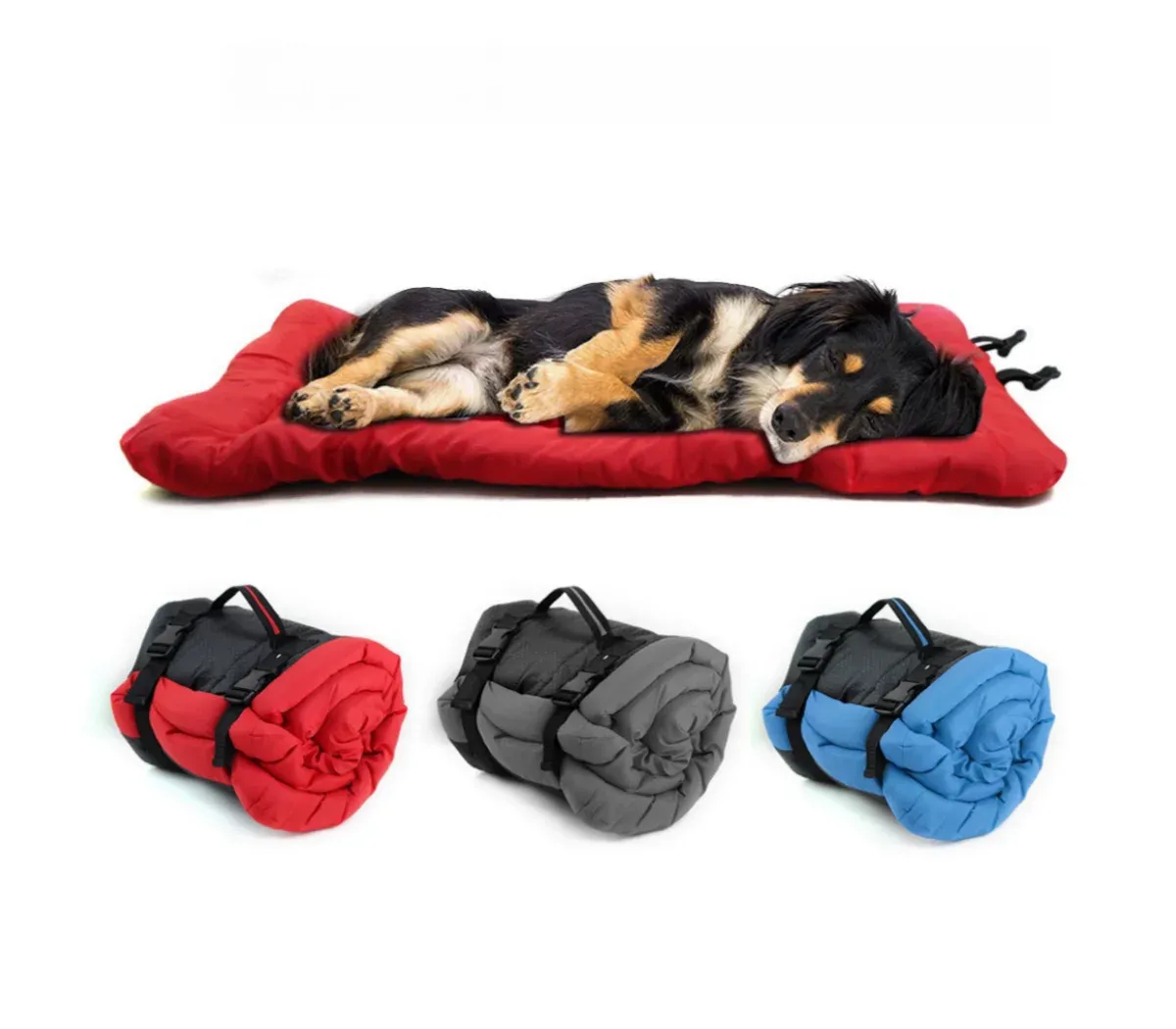
Thunder Shirts provide comfort. Combine them with additional techniques to enhance results:
- Behavioral Training: Teaching commands and positive reinforcement can help promote calmness in your dog, creating lasting changes in behavior over time. Training exercises such as "sit," "down," and "settle" repeated in low-stress contexts help the dog learn cues that can be used during anxious moments. Use short training sessions paired with the Thunder Shirt so the dog links the garment to predictable, rewarding interactions.
- Creating a Calming Environment: Soft lighting, soothing music, and a designated quiet space can help reduce anxiety triggers within the home. Provide a familiar bed, favorite toys, and a low-traffic area where the dog can retreat. For noise events, close curtains and windows to muffle sound and add familiar items that smell like the owner to increase a sense of safety.
- Hydration and Comfort: Ensuring your dog has access to fresh water and a comfortable resting environment is essential during times of stress. Offer water before and after events that might cause anxiety. If the dog commonly paces or pant heavily during stress, pause sessions and allow short breaks with water and calm reassurances.
Other complementary measures include short, calming walks prior to known stressors, dispensing interactive food puzzles to distract and occupy the dog, and using predictable routines (feeding, potty, play) to reduce anticipatory anxiety. Each added strategy increases the likelihood that the Thunder Shirt will be experienced as part of a supportive, calming protocol rather than the only intervention.
Monitoring and Adjusting
Monitor the dog's response for comfort and effectiveness. Adjust fit as needed. Consult a veterinarian for optimisation of anxiety management strategies.
Concrete signs to watch for include lowered respiratory rate or reduced pacing (positive signs), and repetitive attempts to remove the shirt, elevated panting, skin irritation, or avoidance behaviors (warning signs). Keep a simple log of sessions noting the situation, duration, the dog’s behavior before, during, and after, and any adjustments you made. Over a few uses you can detect trends and determine whether to continue, adjust fit, shorten session time, or seek professional guidance.
When adjustments are needed, change only one variable at a time (fit, pre-event activity, environment) so you can identify which change produced the difference in behavior. If signs of severe distress persist, or if the dog develops skin problems from contact with the shirt, discontinue use and consult a veterinarian.
What Is a Thunder Shirt and How Does It Reduce Dog Anxiety?
The Thunder Shirt applies gentle pressure to calm a dog's nervous system, similar to swaddling. Many dogs show reduced anxiety when wearing the garment; some do not, so assess each dog individually.
Pressure appears to influence the dog’s body by producing a consistent, low-level tactile input that can interrupt heightened arousal. For some animals this input reduces the intensity of the stress response and helps them focus on owner cues or relaxation. Because animals differ in sensory preferences, a Thunder Shirt will be very effective for some dogs and of limited value for others; this makes testing during controlled, low-stress conditions particularly useful.
How to Measure and Choose the Correct Thunder Shirt Size?
Accurate measurement is essential when choosing size. Use the table below to select the correct fit.
| Size | Weight Range | Fit Suggestions |
|---|---|---|
| XX-Small | 5-7 lbs | Miniature Breeds |
| X-Small | 8-14 lbs | Small Breeds |
| Small | 15-25 lbs | Medium-Sized Breeds |
| Medium | 26-40 lbs | Larger Medium Breeds |
| Large | 41-85 lbs | Larger Breeds |
This sizing chart assists in ensuring that each dog receives the proper fit for optimal comfort and efficacy. For the most reliable fit, measure the dog’s girth at the widest part of the ribcage immediately behind the front legs and compare the measurement to the manufacturer’s size chart. Also consider the dog’s body shape—deep-chested or barrel-chested dogs may need a different size than suggested by weight alone.
Fit suggestions:
- If the shirt slides toward the head or the hindquarters, it may be too small or narrow.
- If it shifts easily when the dog walks or runs, it may be too large and will not provide consistent pressure.
- Use the "two-finger" test: you should be able to slide two flat fingers between the shirt and the dog’s body in most areas; this ensures snugness without constriction.
What Are the Proper Instructions for Using a Thunder Shirt?
Proper use determines success. Follow these instructions:
- Putting on the Thunder Shirt: Carefully secure the Thunder Shirt around your dog's torso, ensuring it aligns comfortably along the belly. Practice putting it on calmly and gradually so the dog sees the process as predictable and safe.
- Adjusting for Comfort: Make necessary adjustments to avoid discomfort, ensuring it feels snug but not restrictive. Check the fit after the dog has walked a few paces, sat, and lain down; adjust if the shirt rides up or binds.
- Recommended Usage Duration: Begin usage during non-stressful times, gradually increasing wear during known stress events, like storms or fireworks. Short, positive sessions build tolerance before applying the shirt for longer events. If the dog appears relaxed and comfortable, wear time can be increased in small increments.
Owner attentiveness to these instructions improves the Thunder Shirt's effectiveness. If the dog shows persistent negative reactions to wearing the garment, discontinue and seek professional advice rather than forcing continued use.
Can Thunder Shirts Be Combined Effectively with Airline-Approved Pet Carriers?
Thunder Shirts are compatible with airline-approved carriers and can reduce travel-related anxiety. Select carriers that permit movement while providing a secure environment. Familiarize the dog with the carrier while wearing the Thunder Shirt to create positive associations.
Ensure the carrier provides adequate ventilation and comfort to protect the dog's well-being during travel. Prior to travel day, practice short sessions in the carrier with the Thunder Shirt on: feed a meal or offer treats inside the carrier, close the door briefly, and then open it again while rewarding calm behavior. These steps help the dog learn that the carrier is safe and predictable.
When preparing for air travel, verify carrier size and airline policies well in advance, and if required, practice longer acclimation periods so the dog feels secure wearing the Thunder Shirt in a confined space. During travel, maintain calm behavior yourself; dogs pick up on owner anxiety, so a relaxed owner helps the dog remain steady.
What Do Customers Say About Thunder Shirt Effectiveness?
Customer reports often note measurable improvements in dog behavior during stressful events such as fireworks and vet visits. Many owners report calmer, more relaxed dogs; however, individual results vary and some dogs show limited or no improvement.
Owners commonly describe success stories where the dog moves from frantic pacing to resting quietly, or where a previously avoidant dog responds to cues and remains trainable during stress. At the same time, some owners report minimal change and emphasize that the Thunder Shirt was just one element in a larger plan including training and environmental adjustments. Documenting your dog’s behavior before and after using the shirt helps determine whether it is a useful tool for your particular pet.
How Does Thunder Shirt Compare to Other Dog Anxiety Relief Products?
Thunder Shirts differ from other options by providing non-invasive pressure instead of pharmaceutical intervention. Some alternatives, such as natural supplements, may assist anxiety, but a Thunder Shirt can provide immediate physical comfort. Owners should evaluate options based on the individual dog's needs.
When comparing interventions, consider speed of onset, reversibility, and risk. A Thunder Shirt has immediate effect potential and no drug side effects; behavioral training produces longer-term changes but requires time and repetition; supplements or prescribed medications may be useful when other approaches are insufficient or when a rapid response is needed under veterinary guidance.
Combining approaches is common: for example, use a Thunder Shirt during the initial phase of training or while introducing environmental changes, and consult a veterinarian about supplements or medications only if simple strategies do not produce adequate relief.
What Are Key Tips for Maintaining and Caring for Your Thunder Shirt?
To extend Thunder Shirt longevity, follow these maintenance guidelines:
- Cleaning Recommendations: Regular washing according to the manufacturer's instructions will keep the shirt fresh and functional. Most shirts are machine washable on a gentle cycle; allow them to air dry to preserve elasticity and shape. Remove dirt and debris promptly so materials do not degrade over time.
- Storage Tips: Store the Thunder Shirt in a dry place away from direct sunlight to prevent material degradation. Keep it folded neatly or hung so fastenings do not snag and so it retains its shape between uses.
- Signs for Replacement: If the Thunder Shirt shows wear or loss of elasticity, consider replacing it to maintain comfort and efficacy. Visible thinning, tears, or stretched fabric that no longer applies even pressure are cues that replacement is needed.
Maintaining the shirt's condition preserves its effectiveness and supports ongoing anxiety relief. Keep a spare shirt if your dog wears theirs frequently, so you can rotate garments and always have a clean, comfortable option ready for use.
How to Monitor and Evaluate the Impact of Thunder Shirts on Your Dog’s Anxiety?
Assess effectiveness by observing behavior for reduced anxiety during stressful situations. Track changes over time. Consult a veterinarian for evaluation and recommendations on adjustments.
Use a simple monitoring template: note the date, situation (thunderstorm, travel, vet visit), shirt size and fit, session duration, and behaviors observed before, during, and after. Look for patterns such as consistently reduced pacing, cleaner rest periods, or improved response to commands. Conversely, note if certain events show no change or if negative signs appear.
Periodic review with a veterinarian or certified behaviorist can help interpret the log and refine the approach—whether that means changing fit, adding behavioral exercises, or trying different supportive measures. Monitoring ensures the Thunder Shirt remains a helpful and safe part of your dog’s care.
Frequently Asked Questions
Can a Thunder Shirt help with separation anxiety in dogs?
A Thunder Shirt can assist with separation anxiety by providing security through gentle pressure. Combine use with behavioral training and a safe, quiet space to improve results. For separation anxiety that is severe or worsens over time, pair the Thunder Shirt with a structured desensitization program and consult a behavior professional for tailored steps.
How long can my dog wear a Thunder Shirt?
Duration varies per dog. Begin with about 30 minutes and increase as tolerated, especially during stress. Monitor for signs of discomfort and adjust use to ensure safety. For extended use, periodically remove the shirt for short breaks to check the skin and allow the dog to stretch and drink water. If the dog becomes agitated while wearing it for long stretches, shorten sessions and reintroduce gradually.
What other calming products can be used in conjunction with Thunder Shirts?
Thunder Shirts may be combined with pheromone diffusers, calming collars, or supplements. Consult a veterinarian to ensure compatibility and suitability for your dog. Use complementary products as part of an overall plan that prioritizes safety and does not rely on a single solution for chronic anxiety.
Can Thunder Shirts be used for puppies?
Thunder Shirts may be used for puppies with accurate measurement and proper fit. Account for growth. Introduce during positive experiences so the puppy associates the shirt with comfort. Re-measure periodically and plan to swap sizes as the puppy grows to maintain proper pressure and prevent restriction.
What signs indicate that a Thunder Shirt is not working for my dog?
If anxiety signs persist (excessive barking, pacing, distress) while wearing the Thunder Shirt, it may be ineffective. Reassess fit and approach; consult a veterinarian for alternatives or adjustments. Individual responses vary. Document the behaviors and the contexts in which the shirt does not help to inform the next steps with a professional.
Can I use a Thunder Shirt for my dog during car rides?
Thunder Shirts are suitable for car travel and can reduce anxiety. Ensure the dog is accustomed to wearing the shirt and combine with familiar items or calming measures to improve comfort. Introduce short practice rides with the shirt on and reward calm behavior; gradually increase trip length so the dog learns the car is not inherently stressful.
Conclusion
A Thunder Shirt can reduce dog anxiety by applying gentle, constant pressure as a non-pharmaceutical option. It can improve well-being and travel comfort. Consider available Thunder Shirt models to meet specific needs. Assess effectiveness and monitor the dog's response closely.
As part of a layered approach—combining fit, acclimation, environmental adjustments, and behavioral training—a Thunder Shirt often becomes a valuable, low-risk tool. Always track your dog’s response, make measured adjustments, and consult professionals when necessary so your pet receives the safest, most effective anxiety support available.


