

By Craig Roberts, Rover Ready Co
Recognise and assess anxiety and stress in dogs to maintain their health and quality of life. This guide explains how to identify common signs, typical triggers, and practical management steps. It also covers how airline-approved carriers and travel supplies can reduce travel-related stress. Use the information to detect symptoms, determine likely causes, and apply appropriate interventions for your dog. The advice here focuses on observable behaviour and simple, practical adjustments owners can make at home or during travel to lessen distress and improve welfare.
Key Takeaways
- Recognizing anxiety symptoms in dogs involves observing vocalizations, physical signs, and behavioral changes indicating distress.
- Common anxiety triggers include unfamiliar environments, separation from owners, and confinement in carriers during travel.
- Effective management combines familiarization, behavior modification, and calming products to reduce canine anxiety.
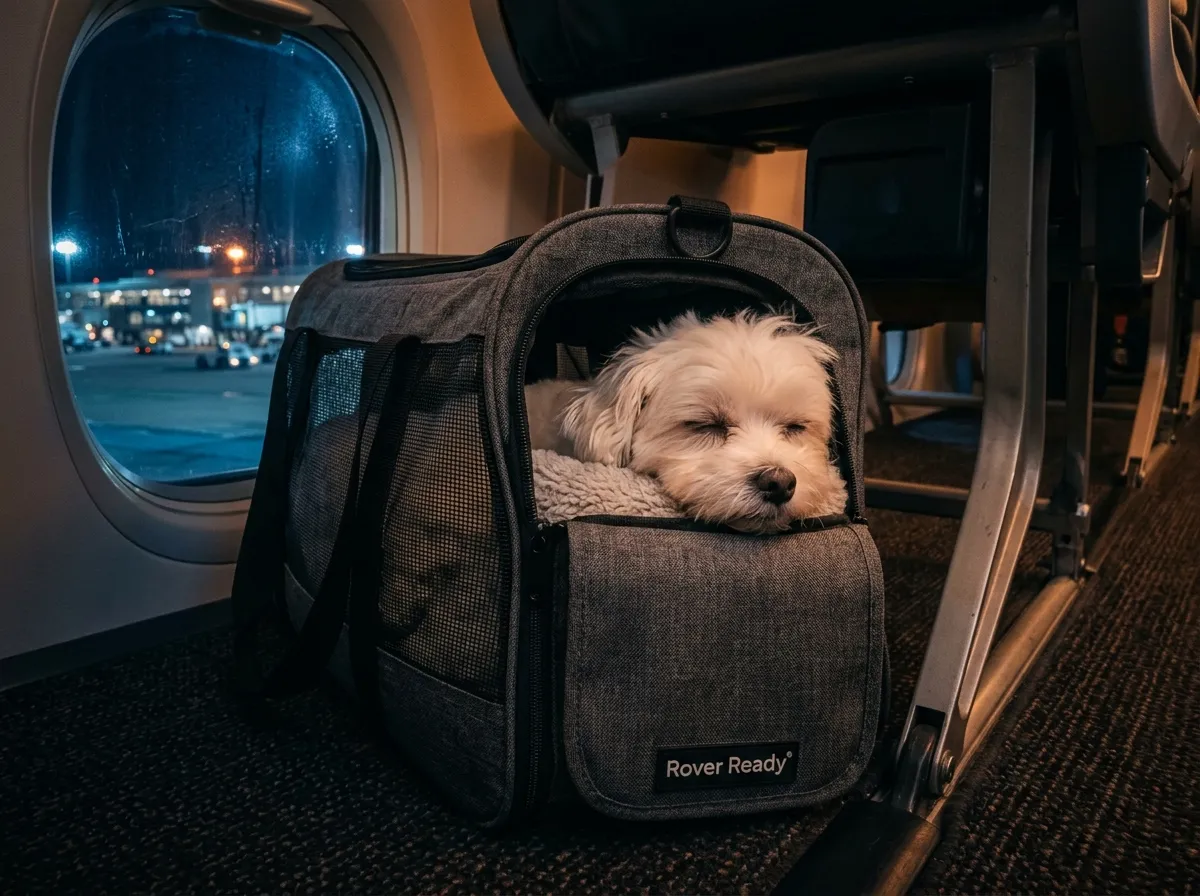
- Airline-approved carriers with padding, ventilation, and mesh panels support comfort and reduce travel-related stress.
- Separation anxiety manifests through excessive vocalizations, escape attempts, and destructive behaviors in dogs.
- Physical symptoms of stress include panting, pacing, vomiting, and visible body language cues like lowered heads or trembling.
- Distinguishing anxiety from normal behavior requires assessing frequency, context, and severity of symptoms.
- Tracking and documenting symptoms with diaries and visual aids improves veterinary communication and treatment effectiveness.
- Calming techniques during travel, such as gradual exposure and breath control, help alleviate dog anxiety symptoms.
Recognizing Signs of Anxiety
Identify both behavioural and physical cues that indicate anxiety. Note vocalisations such as barking or whining and physiological signs like panting or excessive salivation. Observe attempts to hide or escape and other behavioural shifts. Early recognition enables timely intervention and supports better mental health outcomes. Keeping a baseline record of your dog’s typical behaviour makes it easier to spot meaningful changes, and watching reactions in different settings (home, car, unfamiliar places) clarifies whether responses are situation-specific or more generalised.
Common Triggers

Different factors can provoke anxiety in dogs across familiar and unfamiliar settings. Common triggers include changes in environment, separation from owners, and confinement during travel. Identifying likely triggers supports targeted prevention and mitigation measures. Observing where and when symptoms occur helps prioritise which triggers to address first.
- Unfamiliar Environments: New surroundings can provoke anxiety, particularly in sensitive dogs. Owners should introduce novel places gradually and monitor for signs of overstimulation.
- Separation from Owners: Many dogs experience distress when their owners leave, which can manifest as separation anxiety. Preparing dogs with short absences and rewarding calm behaviour can reduce the intensity of reactions.
- Confinement in Carriers: Being placed in confined spaces, especially during travel, can heighten a dog's sense of insecurity and anxiety. Carriers that allow visual contact, good airflow and comfortable bedding can help reduce the stress associated with confinement.
Recognising these primary triggers enables owners to plan interventions that reduce the likelihood and severity of anxiety episodes. Where multiple triggers interact (for example, confinement plus unfamiliar surroundings), addressing both factors together is more effective than tackling one in isolation.
Effective Management Strategies

Apply a combined approach: familiarise the dog with stressors, use behaviour‑modification methods, and consider appropriate calming aids. Introduce carriers and travel routines gradually to prevent acute stress. Behavioural training builds coping skills over time, while validated calming products offer short‑term relief when required. Combining environmental adjustments, consistent training, and simple management routines usually gives better results than relying on any single strategy.
How to Use Calming Techniques to Alleviate Canine Anxiety During Travel
Use targeted calming techniques during travel to reduce distress. Implement familiarisation and desensitisation protocols and apply breath‑based calming methods led by a composed handler. Combine these steps consistently to improve the dog’s response to travel. Planning ahead and repeating short, positive exposures helps dogs build predictable associations with travel and carriers.
- Familiarization: Allow your dog to explore the airline-approved carrier prior to travel. This helps them associate the carrier with comfort rather than confinement. Place familiar bedding and toys inside and permit visits without forcing entry; make the carrier part of daily space rather than a place only used for travel.
- Desensitization: Gradually expose your dog to travel scenarios, starting with short trips before attempting longer journeys. This gradual exposure helps build their confidence. Use positive reinforcement—treats or praise—at calm moments to reinforce relaxed behaviour during each step of the process.
- Breath Techniques: Encouraging deep, slow breaths can help calm an anxious dog. Calm yourself first, and your dog will pick up on your relaxed demeanor. Use a steady, low voice and slow, deliberate movements to reduce arousal when preparing for travel.
- Handler Preparedness: A composed handler sets the tone; practice loading and unloading calmly, avoid rushed movements, and keep interactions predictable. Consistency in your actions signals safety to the dog and supports learning.
Apply these techniques together with a suitable travel carrier to reduce anxiety and improve travel outcomes. Repeating short, positive sessions helps generalise calm behaviour so the dog remains relaxed in a variety of travel-related contexts.
Which Airline-Approved Dog Carriers Support Symptom Relief?
Choose carriers that meet airline regulations and address comfort and safety needs. Effective models include those with adequate padding, proper ventilation, and visible panels to reduce perceived confinement. Ensure the carrier dimensions and construction comply with the specific airline’s requirements. Inspect carriers for secure closures, smooth seams, and stable bases to reduce movement inside the carrier during transport.
- Comfortable Padding: Ensures that the dog feels secure and supported during travel. Use familiar bedding or blankets that retain home scents to provide reassurance.
- Ventilation Features: Promotes airflow, helping dogs feel cooler and more comfortable. Good ventilation reduces the likelihood of overheating and improves the dog’s ability to relax.
- Mesh Panels: Allow for visibility, reducing the feeling of confinement and stress. Mesh also provides light and air while maintaining safety; select panels that are durable and allow for easy monitoring.
Selecting a compliant carrier prioritises the dog’s comfort while meeting travel regulations and reducing stress during transit. Preparing the carrier in advance—introducing bedding, securing familiar toys, and checking fit—reduces handling stress at departure.
What Are Common Behavioral Signs of Dog Anxiety and Stress?
Key behavioural indicators include excessive vocalisations, attempts to hide or escape, and destructive actions such as chewing or scratching. Monitor the frequency and context of these behaviours to determine whether they reflect anxiety or a situational response. Recording when behaviours occur and what preceded them clarifies whether specific events act as triggers.
- Excessive Vocalizations: Barking, whining, or howling may indicate distress. Note whether vocalisations occur mainly when alone, during travel, or around certain stimuli.
- Attempts to Hide or Escape: Dogs may try to find secure spots or escape areas they consider threatening. Repeated escape attempts can be dangerous and often require prompt management.
- Disruptive Behaviors: This may include chewing or scratching at surfaces in an attempt to relieve anxiety. Providing appropriate outlets for chewing and supervised enrichment can reduce damage and help the dog self-soothe.
Early detection of these behaviours permits prompt management and reduces escalation. When disruptive actions intensify or spread to new contexts, seek professional guidance to adapt the intervention program.
Potential Causes
Identify underlying contributors to anxiety to inform treatment. Common causes include prior trauma, significant changes in routine or environment, and separation from bonded owners. Addressing root causes supports more effective long‑term management. When medical problems are suspected, rule out pain or illness with a veterinary check before attributing changes solely to behaviour.
- Previous Trauma or Negative Experiences: Past abuse or traumatic events can leave lasting impacts on a dog's behavior. Recovery requires patience, predictable routines, and often a tailored training plan.
- Changes in Environment or Routine: Dogs thrive on routine; significant changes can lead to anxiety. Gradual transitions and consistent cues help dogs adapt when changes are unavoidable.
- Separation from Owners: Dogs that are closely bonded with their owners often exhibit anxiety when left alone. Building independent behaviours and teaching calm settling can reduce separation-related stress.
Recognising these factors enables proactive measures to reduce recurrence and severity of anxiety. Combining environmental management with behavioural training addresses both immediate symptoms and underlying drivers of anxiety.
How to Identify Restlessness, Barking, and Chewing in Anxious Dogs
Monitor for restlessness, increased vocalisation, and destructive chewing as markers of distress. Record occurrences and context to assess severity and progression. Use this information to determine when to intervene or seek professional assistance. When actions become frequent or extend to new areas of the home, escalation of support may be needed.
- Restlessness: Inability to settle, pacing back and forth, or wandering. Encourage settling behaviours with a familiar mat or quiet cue.
- Vocalizations: Frequent barking or whining often signals distress. Identify whether vocalising follows separation, noise, or handling to narrow down causes.
- Destructive Chewing: Dogs may chew on furniture or personal items as a way to express their anxiety. Provide durable chew toys and rotate enrichment to keep the dog occupied and reduce anxiety-driven destruction.
Systematic observation of these behaviours supports accurate assessment and timely action. Consistent recording improves the ability to track progress and test which interventions reduce symptoms.
Which Separation Anxiety Behaviors Indicate Stress in Dogs?
Separation anxiety commonly presents as increased vocalisation when alone, attempts to escape confinement, and destructive behaviour near exit points. Note the timing and location of these actions to distinguish separation anxiety from other issues. Videos and timestamps often reveal patterns that are otherwise missed during short observations.
- Increased Vocalizations When Alone: Dogs may bark excessively or whine. Note whether vocalisation begins soon after departure or develops over time.
- Attempts to Escape Confinement: This includes scratching at doors or windows. Improve safety by reinforcing exit points and providing enrichment that reduces attention on exits.
- Destructive Actions: Damage to household items, especially near exit points, can indicate distress. Protect vulnerable items and provide safe alternatives while addressing the underlying anxiety.
Documenting these patterns assists in designing targeted interventions for separation anxiety. Combining environmental changes, desensitisation and professional guidance often produces sustained improvements.
What Physical Symptoms Demonstrate Stress and Fear in Dogs?
Physical indicators include altered body language (lowered head, tucked tail), panting, drooling, and reluctance to engage. Assess these signs together with behavioural cues to form a complete clinical picture. Observe for clusters of signs rather than isolated occurrences to avoid misinterpreting normal variations in behaviour.
- Visible Changes in Body Language: Signs such as lowered heads, tucked tails, or rigid postures show anxiety. Subtle cues like lip licking or yawning in non-tired dogs can also indicate discomfort.
- Signs of Physical Distress: Panting, drooling, or pacing can signify stress. When these signs occur without a clear physical reason, consider anxiety as a possible cause.
- General Unease: Frequent changes in position or reluctance to engage can demonstrate discomfort. Respect the dog’s signals and avoid forcing interactions that increase stress.
Integrating physical observations with behavioural data improves diagnostic accuracy and management planning. If physical signs are severe or sudden, consult a veterinarian to exclude medical conditions.
How to Recognize Panting, Pacing, and Vomiting as Stress Indicators
Consider panting, pacing, and vomiting as potential stress responses when they occur without an obvious medical cause. Evaluate environmental context and frequency to determine whether these signs are anxiety‑related and warrant intervention. Persistent gastrointestinal upset or repeated vomiting should always prompt a veterinary assessment to rule out medical causes.
- Panting: Often a sign of discomfort, even in cool temperatures. Note whether panting coincides with specific events or persists at rest.
- Pacing: Repetitive movements can indicate agitation. Provide outlets for energy and reduce stimuli that provoke repetitive pacing.
- Vomiting: A physical stress response that often occurs when a dog is particularly anxious. Monitor frequency and any accompanying signs, and seek veterinary advice if vomiting is recurrent or severe.
When these signs persist or intensify, consult a veterinarian for assessment and guidance. Coordinated care ensures both physical and behavioural contributors are addressed.
What Are Other Physical Symptoms of Fearful and Anxious Dogs?
Other observable symptoms include trembling, wide eyes, submissive postures, and ear flattening. Maintain regular monitoring to detect changes that may indicate worsening anxiety or emerging health concerns. Not all signs are present in every dog; build a profile of typical responses for your individual animal.
- Specific Signs of Fear: These may range from trembling to wide eyes. Recognising early signs before escalation helps prevent situations from worsening.
- Body Language Cues: Submissive postures, such as cowering or flattening ears, often indicate distress. Respect these cues and offer space rather than approaching aggressively or insistently.
- Monitoring Behavior: Regular observation helps in noticing changes in physical behavior that could signify underlying issues. Use consistent times and settings for observation to make comparisons meaningful.
Consistent observation enables earlier detection and more effective intervention. Where signs are subtle or intermittent, keeping a log increases the chance of identifying trends.
How Can Dog Owners Differentiate Between Normal and Anxiety-Related Symptoms?
Differentiate normal behaviour from anxiety by considering context, frequency, and deviation from the dog’s typical demeanour. Routine excitement differs from persistent distress; establish baseline behaviour and note consistent departures from it. Comparing behaviour across different situations reveals whether reactions are situational or indicate a broader problem.
- Situational Awareness: Recognizing that some degree of excitement is normal, while persistent signs of distress indicate anxiety. Consider whether the behaviour is proportional to the stimulus.
- Behavior Patterns: Identifying consistent patterns that deviate from a dog's usual demeanor can signify anxiety. Keep records of when and where behaviours occur to reveal patterns.
- Contextual Awareness: Understanding the source of potential stress can help in evaluating whether behaviors are situational or symptomatic of anxiety. Look for environmental or routine changes that coincide with behaviour shifts.
Accurate differentiation informs appropriate responses and reduces unnecessary interventions. Prioritise low-cost, low-risk strategies first and escalate to training or veterinary support if symptoms do not improve.
What Are Key Indicators Distinguishing Anxiety from Routine Behavior?
Focus on frequency, context, and severity to distinguish anxiety from routine actions. High frequency, clear triggers, and intense responses are more consistent with anxiety than isolated or mild behaviours. Use the combination of signs—behavioural and physical—to build confidence in your assessment.
- Frequency of Symptoms: More frequent signs of distress typically correlate with anxiety. Sporadic or one-off actions often have different explanations.
- Behavioral Context: Distressed behaviors often occur in response to specific triggers, unlike typical behaviors that may not have a clear cause. Map behaviours against events to identify repeatable triggers.
- Severity of Response: The intensity of anxiety-related behaviors is often greater than that of normal reactions. Severe reactions that impair function, safety, or welfare should prompt earlier intervention.
Use these indicators to prioritise intervention and professional assessment when necessary. When in doubt, documenting behaviours and consulting a professional helps avoid both under- and over-reacting to signs.
Which External Triggers Commonly Cause Travel-Related Anxiety Symptoms?
Travel‑related triggers include road motion, unfamiliar locations, new people, loud noises, and abrupt temperature changes. Physical separation from the owner during transit also increases risk. Anticipate these factors when planning travel to reduce exposure. Preparing for predictable travel stressors reduces the chance of an acute anxiety episode.
- Travel-Related Situations: Roads, new environments, and unfamiliar people can all increase a dog's anxiety. Simulated short trips and positive reinforcement help build tolerance.
- Environmental Factors: Loud noises or changes in temperature during travel can heighten distress. Plan travel at cooler times and provide shade and ventilation where possible.
- Separation Causes: Being physically separated from their owner during travel can exacerbate anxiety symptoms. If separation is unavoidable, familiar items and soothing routines can ease the transition.
Account for these external triggers in travel preparation to minimise stress for the dog. Small changes—timing, route choices, and pre-trip familiarisation—often have outsized effects on the dog’s comfort.
What Strategies Effectively Manage Dogs Symptoms Related to Travel Stress?
Prioritise preparation, progressive exposure, and calming measures to reduce travel stress. Start with short trips, use calming protocols, and employ appropriate products or accessories to enhance comfort and safety during travel. Consider the whole travel experience: pre-trip exercise, feeding schedule and post-trip recovery all influence how well a dog tolerates travel.
- Preparation Techniques: Familiarizing your dog with their travel environment can reduce anxiety. Start with short trips and gradually escalate to longer durations. Test the carrier and routines at home so surprises are minimised at travel time.
- Calming Techniques: Techniques such as deep-breathing exercises or using calming products can aid in reducing anxiety levels during travel. Pair calming cues with positive reinforcement so the dog learns to associate travel with predictable, pleasant outcomes.
- Product Suggestions: Utilizing quality calming products or accessories can reinforce comfort and security, making travel less stressful. Choose breathable materials and secure fastenings to reduce movement and maintain a stable environment.
Consistent application of these strategies increases the likelihood of a calmer travel experience. Monitor responses and refine the plan based on what proves effective for your individual dog.
What Are the Most Important Symptoms to Monitor for Dog Separation Anxiety?
Monitor for severe vocalisation, destructive behaviour, and persistent anxious behaviours. Record duration and frequency to assess severity and identify specific triggers that precipitate separation anxiety. Noting the sequence of events—what happens before, during and after an episode—helps identify effective interventions.
- Signs of Severe Anxiety: This can include excessive vocalizations and destructive behaviors. Prioritise the dog’s safety by managing the environment and preventing harm.
- Duration and Frequency of Symptoms: Noting how long the anxious behaviors persist is important for assessment. Longer or more frequent episodes indicate greater impact on welfare.
- Triggers Causing the Anxiety: Identifying what specifically triggers separation anxiety can lead to tailored management strategies. Experiment with small, controlled departures and monitor reactions to identify patterns.
Systematic monitoring supports timely and targeted interventions. If patterns show worsening or broadening of contexts, seek professional support to accelerate improvement.
How Does Separation Anxiety Manifest Behaviorally and Physically in Dogs?
Separation anxiety appears as persistent whining, barking, or howling and may include panting, drooling, or gastrointestinal upset. Recognise these combined behavioural and physical signs promptly to initiate appropriate care. When behavioural and physical signs co-occur, a dual approach addressing both aspects is recommended.
- Behavioral Signs: Persistent whining, barking, or howling is often a call for attention or distress when left alone. Structured training to encourage calm independence reduces the frequency of these calls.
- Physical Responses: Increased panting, drooling, or even diarrhea can indicate stress associated with separation. Track these signs alongside behaviour to inform veterinary assessment if needed.
- Importance of Early Recognition: The sooner these signs are recognized, the sooner effective interventions can be implemented. Early action prevents habits from becoming deeply ingrained and harder to modify.
Early recognition enables structured intervention and reduces the risk of escalation. When in doubt, collect objective evidence (videos, logs) to aid assessment and planning.
What Steps Can Reduce Separation Anxiety Symptoms Effectively?
Implement structured steps: create a designated safe area, practise short, gradual departures, and consult a veterinarian if symptoms persist. These measures reduce stress and support behavioural progress. Combining environmental management, training exercises and professional advice produces the best outcomes for many dogs.
- Create a Safe Space: Designate an area where your dog feels safe and secure during your absence. Include familiar bedding, toys, and predictable cues so the space becomes associated with calmness.
- Gradual Departures and Arrivals: Practicing short departures can help acclimate your dog to being alone. Vary the routine so the dog does not form rigid associations with specific departure cues.
- Consult with a Veterinarian: If symptoms persist, a veterinarian can help determine if more intensive intervention is necessary. A professional can also rule out medical issues contributing to behaviour and suggest appropriate therapy or medication when needed.
Applying these steps consistently can materially reduce separation‑related stress. Keep expectations realistic and track progress to refine the plan as the dog adapts.
How Can Pet Owners Track and Document Dogs Symptoms for Veterinary Consultation?
Maintain systematic records of symptoms, including timing, context, and severity. Use a symptom diary, note behavioural changes, and log identified triggers and responses to interventions to create a clear clinical history. Clear records allow veterinarians and behaviourists to make more informed recommendations and to monitor progress objectively. For more information, visit this blog.
- Keeping a Symptom Diary: Documenting behaviors over time can reveal patterns and triggers for anxiety. Include date, time, location, preceding events and duration to make entries useful.
- Documenting Behavioral Changes: Noting any alterations in behavior or routines helps in developing effective solutions. Describe what is different from baseline and whether the change is gradual or sudden.
- Recording Triggers and Responses: Understanding what causes anxiety can inform both owners and veterinarians. Note which strategies reduced symptoms and which made them worse to refine the management plan.
These records provide a concise, evidence‑based summary for veterinarians and improve the effectiveness of treatment plans. When possible, pair written notes with short video clips to show behaviour rather than rely on recall alone.
What Essential Information Should Be Recorded about Dog Anxiety Signs?
Record specific symptoms, contextual triggers, and treatment responses. Include dates, durations, and situational details to enable accurate evaluation by a veterinary professional. Providing objective, repeatable observations speeds assessment and supports targeted advice.
- Specific Symptoms to Track: Note any behaviors that appear unusual or concerning. Include physical signs such as trembling or repeated panting alongside behavioural events.
- Behavioral Changes and Triggers: Record any recent changes in your dog’s environment that might have caused shifts in behavior. Even small routine changes can be relevant.
- Response to Treatments: Tracking how your dog responds to various treatments allows for more personalized veterinary care. Record immediate and delayed responses to interventions to capture full effects.
Comprehensive, dated records improve diagnostic precision and support tailored care recommendations. Share summaries and illustrative videos with your veterinary team before consultations when possible.
How Do Visual Aids and Symptom Checklists Improve Communication with Vets?
Use checklists, photos, and videos to document behaviours objectively. Visual evidence and structured lists ensure that key details are communicated clearly during veterinary consultations. Well-organised materials reduce miscommunication and allow professionals to prioritise diagnostic steps.
- Using Checklists for Symptom Tracking: Checklists can ensure that all symptoms are noted and discussed during veterinary visits. A standardised form makes entries easier to compare over time.
- Visual Aids to Express Behaviors: Illustrating behaviors through photos or videos may provide valuable context for the veterinarian. Short clips showing the onset and progression of behaviour are particularly helpful.
- Enhancing Communication with Vets: Structured documentation ensures clarity and completeness, leading to better outcomes in managing anxiety. Prepare a concise summary of main concerns and any relevant dates to make consultations efficient.
These tools streamline clinical communication and facilitate more effective treatment planning. When sharing multimedia files, ensure they are clear, short and focused on the behaviour of concern.
Which Questions Are Most Common About Dog Anxiety Signs and Travel Stress?
Common questions concern identifying anxiety signs, recommended interventions, and next steps when standard calming methods fail. These queries guide owners toward appropriate assessment and escalation when necessary. Thinking ahead about likely follow-up questions makes consultations more productive.
- Signs of anxiety and stress in dogs: Key indicators range from vocalizations to destructive behavior. Understand the cluster of signs rather than scoring a single behaviour in isolation.
- Recommended solutions for anxious dogs: Solutions may include behavioral techniques, environmental modifications, and calming products. A stepwise plan that starts with low-risk adjustments and progresses to training or veterinary support is usually best.
- What if my dog fails to respond to calming strategies?: Consultation with a veterinarian may be necessary to explore further treatment options. A professional can guide medical assessment, structured behaviour therapy, or referral to a qualified behaviourist.
Addressing these questions helps owners adopt a consistent, evidence‑based approach to managing anxiety. Maintaining realistic expectations and tracking outcomes supports steady progress.
How Do Calming Products and Accessories Impact Dog Symptom Relief?
Calming products can complement behavioural strategies by providing additional comfort and reducing acute stress. Select evidence‑based options and monitor the dog’s response to determine effectiveness. Use products as part of a wider plan rather than depending on them as the sole intervention.
- Types of Calming Products Available: Options include herbal supplements, anxiety wraps, and pheromone diffusers which help create a calming environment. Evaluate each item for suitability and monitor for side effects or lack of benefit.
- Effectiveness of Accessories for Symptom Management: Many accessories are designed to offer comfort and security. Trial an accessory in a low-stress context to confirm the dog tolerates and benefits from it before relying on it for travel.
- Recommendations for Product Use: Utilizing high-quality products can enhance their effectiveness in managing anxiety symptoms. Follow manufacturer guidance and discuss persistent problems with a veterinarian to integrate products safely into a care plan.
Integrate products into a broader management plan and evaluate results to confirm benefit. When combined with consistent training and environmental adjustments, such products often improve short-term tolerance while longer-term behaviour change develops.
Frequently Asked Questions
1. How can I identify if my dog is experiencing travel-related anxiety?
Observe behaviour during travel for excessive vocalisation, drooling, attempts to escape the carrier, panting, or restlessness. Reluctance to enter the carrier or marked agitation when travelling are also indicators. Record these signs to determine whether additional support is required. If possible, make short practice journeys and note whether symptoms lessen with repetition.
2. Are there specific breeds more prone to anxiety disorders?
Certain breeds show higher incidence of anxiety traits; for example, Border Collies, German Shepherds, and Bichon Frises are frequently reported with separation or general anxiety. Breed predisposition does not preclude any dog from developing anxiety; monitor individuals and apply preventive measures when appropriate. Individual temperament, early experience, and environment are often more important than breed alone.
3. What role does exercise play in managing dog anxiety?
Regular exercise reduces excess energy and stress, improving behavioural regulation. Tailor activity level to the dog’s age, breed, and health status and incorporate mental stimulation to maximise benefit. Consistent routines strengthen resilience to anxiety triggers, and combining physical and mental activity often gives the best behavioural outcome.
4. How can socialization with other dogs help reduce anxiety?
Planned, positive social interactions build confidence and reduce fear responses. Introduce new stimuli gradually and monitor the dog’s comfort; adjust the pace based on observed reactions. Use socialisation as part of a structured training plan and avoid overwhelming the dog with uncontrolled interactions.
5. What are some common calming techniques beyond products?
Non‑product techniques include guided breathing by a calm handler, providing a designated safe area with familiar items, and using massage or gentle handling to reduce tension. Apply these consistently and observe their impact on the dog’s stress levels. Combining handling techniques with predictable routines helps the dog learn safety cues.
6. When should I consult a veterinarian about my dog's anxiety?
Consult a veterinarian if anxiety persists despite management, if behaviours become severe or destructive, or if the dog cannot relax in normally familiar settings. A veterinarian can assess for medical causes and recommend behavioural therapy or pharmacological support where indicated. Early consultation helps rule out health issues and refines the plan for behavioural change.
7. Can dogs develop anxiety as they age?
Dogs may develop anxiety with age due to health changes, reduced mobility, or cognitive decline. Monitor senior dogs for new anxiety signs, adjust care routines, and seek veterinary evaluation to address underlying medical or behavioural contributors. Modifying environments and simplifying routines often benefits older dogs experiencing new anxiety.
Conclusion
Effective recognition and management of anxiety and stress in dogs preserve wellbeing and quality of life. Identify signs promptly, implement targeted strategies, and integrate suitable calming products and travel accessories as needed. Take proactive steps to assess and address your dog’s needs to maintain a calm and safe environment. Ongoing monitoring, consistency in training and preparation for travel, and timely veterinary involvement when necessary will increase the chances of a positive outcome for both dog and owner.


