

By Craig Roberts, Rover Ready Co
Air travel with pets requires adherence to safety and comfort standards. Airline-approved dog carriers are essential for owners who intend to travel in cabin with their pets. This guide explains why these carriers matter, how to select a compliant model, and which options perform well. It covers measuring your dog for compliance, comparing carrier dimensions across airlines, and current carrier requirements. Use this information to select a soft-sided carrier that meets regulations and improves the travel experience.
Beyond selecting a carrier, successful pet travel often involves early planning: review airline policies before booking, reserve a pet spot when you buy your ticket, and confirm any documentation the airline requires. Preparing your pet physically and mentally ahead of travel reduces last-minute stress. This hub consolidates practical steps, product guidance, and planning checklists so owners can travel confidently with their dogs.
Key Takeaways
- Airline-approved dog carriers ensure pet safety and comfort while complying with airline travel regulations.
- Soft-sided carriers are lightweight, flexible, and fit under airplane seats, enhancing in-cabin pet travel convenience.
- Accurate measurement of a dog’s length, height, and width is essential for selecting a compliant carrier.
- Carrier size requirements vary by airline, so pet owners must compare dimensions before purchasing.
- Key carrier features include size compliance, ventilation through mesh panels, and durable materials for travel safety.
- Essential pet travel accessories include hydration supplies, food, treats, and comfort items to reduce pet anxiety.
- Customer reviews highlight Rover Ready carriers’ durability, comfort, and adherence to airline standards.
- Rover Ready provides detailed guides, size charts, and FAQs to assist pet owners in choosing the right carrier.
- Structured data and visual aids like size charts and explainer videos improve user understanding and decision-making.
What Are Airline Approved Dog Carriers and Why Are They Essential for Pet Travel?
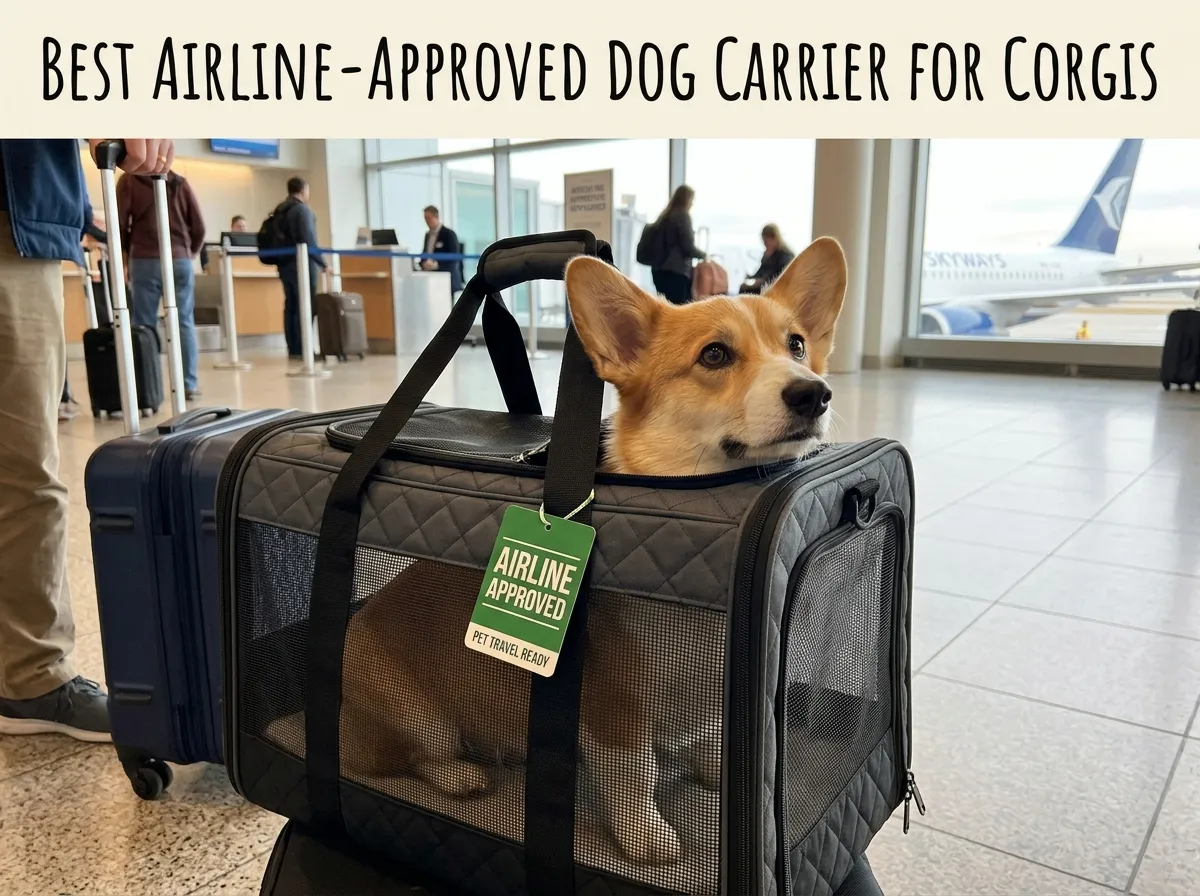
Airline-approved dog carriers are engineered to meet airline safety and comfort standards for in-cabin travel. They secure the pet, provide adequate ventilation, and offer sufficient space for short flights. Compliance with airline regulations reduces the risk of travel disruptions and supports a safer, more predictable journey for both the pet and owner.
These carriers are also practical on the ground: they protect pets during transport through busy terminals, provide a familiar, contained space during security screening and boarding, and simplify handling by airport staff. For many owners, a good airline-approved carrier becomes a long-term travel tool used for vet visits, road trips, and short stays away from home.
Defining Airline Approved Dog Carriers and Compliance Standards
Airline-approved carriers must satisfy airline-specific compliance standards, typically covering size limits, ventilation, and safety features. Examples include adequate mesh panels for airflow and construction robust enough to withstand normal handling. Owners should review these standards to prevent airport issues and maintain pet comfort during transit.
Compliance typically means the carrier fits under the seat in front of you and secures the pet so it cannot escape the carrier during travel. Many airlines also prefer carriers with leak-resistant bottoms and removable washable liners, which help maintain hygiene and simplify inspection. Check both the carrier manufacturer's dimensions and the airline's under-seat allowances; the two must match for in-cabin approval.
Benefits of Using Soft Sided Pet Carriers for Air Travel
Soft-sided carriers offer practical advantages for in-cabin travel: they are lightweight, flexible enough to fit under seats, and often include padded interiors for added comfort. Their stowability and transport convenience make them a common choice for frequent travellers.
Additional benefits include multiple access points (top and side openings) that make placing and retrieving the pet easier, exterior pockets for documents and treats, and carrying straps that distribute weight. Soft fabrics can compress slightly to accommodate under-seat constraints, but look for carriers with reinforced bases or removable inserts that keep the pet comfortable while maintaining shape.
Further underscoring the importance of these features, industry guides highlight the critical role of
for
.
Airline-Approved Soft-Sided Carriers for In-Cabin Pet Travel
To take a pet into the aircraft cabin, purchase an airline-approved soft-sided carrier. Correct sizing is required: the carrier must provide safe, comfortable transport and fit under the seat in front of you.
No Pet Left Behind: The Sherpa Guide for Traveling with Your Best Friend, 2008
How to Use the Airline Pet Carrier Size Guide to Select the Right Carrier
Selecting the correct airline-approved carrier requires knowing each airline's size limits. Measure your pet precisely and compare those measurements to the carrier dimensions permitted by your airline. This guide clarifies size criteria and assists selection of a carrier that accommodates your pet.
Follow a simple workflow: measure your dog, check several carrier models for internal and external dimensions, and verify the airline's stated under-seat allowance for the aircraft you will fly. Remember to confirm whether the airline measures the carrier externally (including straps and handles) or internally (usable space). If in doubt, call the airline with the model and dimensions; many customer service teams can advise whether a specific carrier is likely to meet in-cabin rules.
Measuring Your Dog Accurately for Airline Carrier Compliance
Gather a measuring tape and record your dog's dimensions: length from the tip of the nose to the base of the tail, height from the ground to the top of the head, and width across the chest. Compare these measurements to the airline's carrier size guidelines to confirm compliance.
Detailed measuring tips:
- Length: Measure the dog from nose to the base of the tail while the dog is standing or sitting upright. Do not include the tail tip unless directed by the airline guide.
- Height: Measure from the ground to the highest point of the head or the top of the shoulder for some breeds; check which convention the carrier manufacturer uses.
- Width: Measure across the widest part of the chest or body width, especially if the dog has a broad chest or thick coat.
Allow for a little extra space inside the carrier so the dog can turn, sit, and lie down comfortably. Many owners add one to two inches to each relevant measurement when selecting a carrier to avoid a too-tight fit. When completing measurements, have someone assist you to keep the dog still, and record both inches and centimeters if you plan to compare international guides.
Comparing Carrier Dimensions Across Major Airlines
Airlines set differing carrier dimension limits, commonly between 18 and 24 inches in length, 11 and 18 inches in height, and 11 and 14 inches in width. Verify the specific limits for your carrier and airline before purchase to avoid complications at check-in.
Keep these comparison strategies in mind:
- Read the airline's pet policy page for exact under-seat dimensions and any additional rules (such as maximum combined pet and carrier weight).
- Check whether the airline enforces internal or external carrier measurements; some count the carrier's outer dimensions including straps, others use internal usable space.
- Remember that aircraft type can affect under-seat space. For the same airline, dimensions on regional jets may differ from widebody aircraft. If your itinerary includes multiple aircraft types, verify the most restrictive leg.
When comparing models, create a short spreadsheet of carrier external dimensions, internal usable space, and weight. Pair that with your dog's measurements to quickly identify which models are safe choices for your travel plans.
What Are the Current Airline Compliance Requirements for Pet Carriers?
Current compliance requirements address carrier size, ventilation, and secure closures to maintain pet safety and comfort. Airlines may specify acceptable materials and construction standards to ensure carriers withstand travel handling. Confirm applicable regulations with your airline prior to travel.
Common compliance elements to check include:
- Ventilation: multiple mesh panels on at least two sides for airflow and visibility.
- Secure closures: zippers or closures that cannot be opened unintentionally, and often a secondary locking method such as clips or buckles.
- Leak resistance: a waterproof or water-resistant base and a removable, wash-friendly liner or pad to manage accidents.
- Structural stability: while soft-sided carriers are flexible, many airlines prefer carriers that retain shape enough to prevent collapse onto the pet during handling.
Additionally, airlines sometimes require proof of vaccinations or a current health certificate for international travel; check governmental and airline rules well in advance. Even for domestic flights, some carriers request basic documentation or have age restrictions for very young or unweaned pets.
Which Soft Sided Pet Carriers Are Best for Air Travel?
Evaluate carriers for size compliance, ventilation, and durability. Select models that balance light weight with sufficient structure and include multiple mesh panels for airflow. Padded interiors increase in-cabin comfort for pets.
Other practical considerations when choosing a model include ease of cleaning (removable liners and machine-washable components), the availability of replacement parts (zippers, straps), and whether the carrier offers secure leash attachments that can keep the pet tethered inside. Pick a carrier that suits your travel habits: frequent flyers may prefer models with extra pockets and robust handles, while occasional travelers may prioritize affordability and basic compliance.
Top Features to Look for in Airline Approved Soft Sided Carriers
Consider these attributes when choosing an airline-approved soft-sided carrier:
- Size Compliance: Ensure the carrier meets the specific dimensions required by the airline.
- Ventilation: Look for carriers with multiple mesh panels to provide adequate airflow.
- Durability: Choose carriers made from high-quality materials that can withstand wear and tear.
Elaborating on each feature:
- Size Compliance: Check both internal and external dimensions and whether accessories such as shoulder straps or exterior pockets change the carrier's outer size. If a carrier compresses to fit under a seat, verify that the compressed internal height still allows the pet to sit or stand comfortably.
- Ventilation: Mesh should be durable and tear-resistant; panels positioned on multiple sides keep air circulating even when the carrier is tucked under a seat. Some carriers offer adjustable mesh panels that can be partially closed in busy environments for extra security.
- Durability: Reinforced seams, double-stitched stress points, and heavy-duty zippers extend a carrier's service life. Look for carriers where base supports or removable boards prevent sagging and provide a stable surface for the pet.
Accessories like removable pads, built-in ID windows, and travel-friendly storage pockets add practical value and improve daily usability.
Rover Ready’s Recommended Soft Sided Pet Carrier Collections
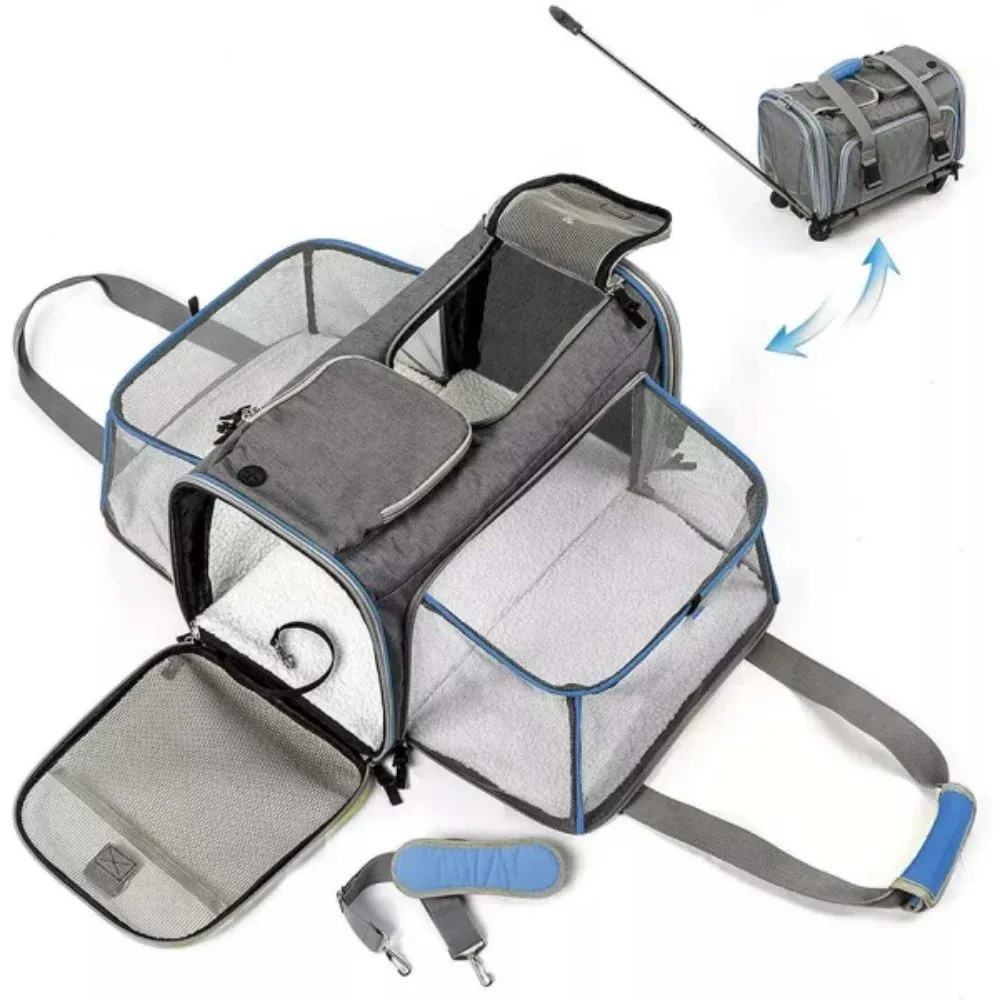
Rover Ready Co. offers a range of soft-sided carriers engineered for air travel. Models prioritize lightweight construction, ventilation, and interior comfort. Each product meets stated airline compliance standards and is intended for in-cabin use when permitted.
Rover Ready’s product pages typically include detailed size charts, material descriptions, and usage notes to help owners compare models. When evaluating families of carriers, check the listed internal and external dimensions, weight capacity, and included accessories such as removable liners or carrying straps. Product guides and customer support can help identify the model that best fits your pet and travel style.
How to Choose the Best Pet Travel Gear for Safe and Comfortable Trips
Select travel gear with an emphasis on safety and comfort. Appropriate accessories address hydration, nutrition, and anxiety reduction, improving the pet's condition during transit. The following sections list recommended items to complement airline-approved carriers.
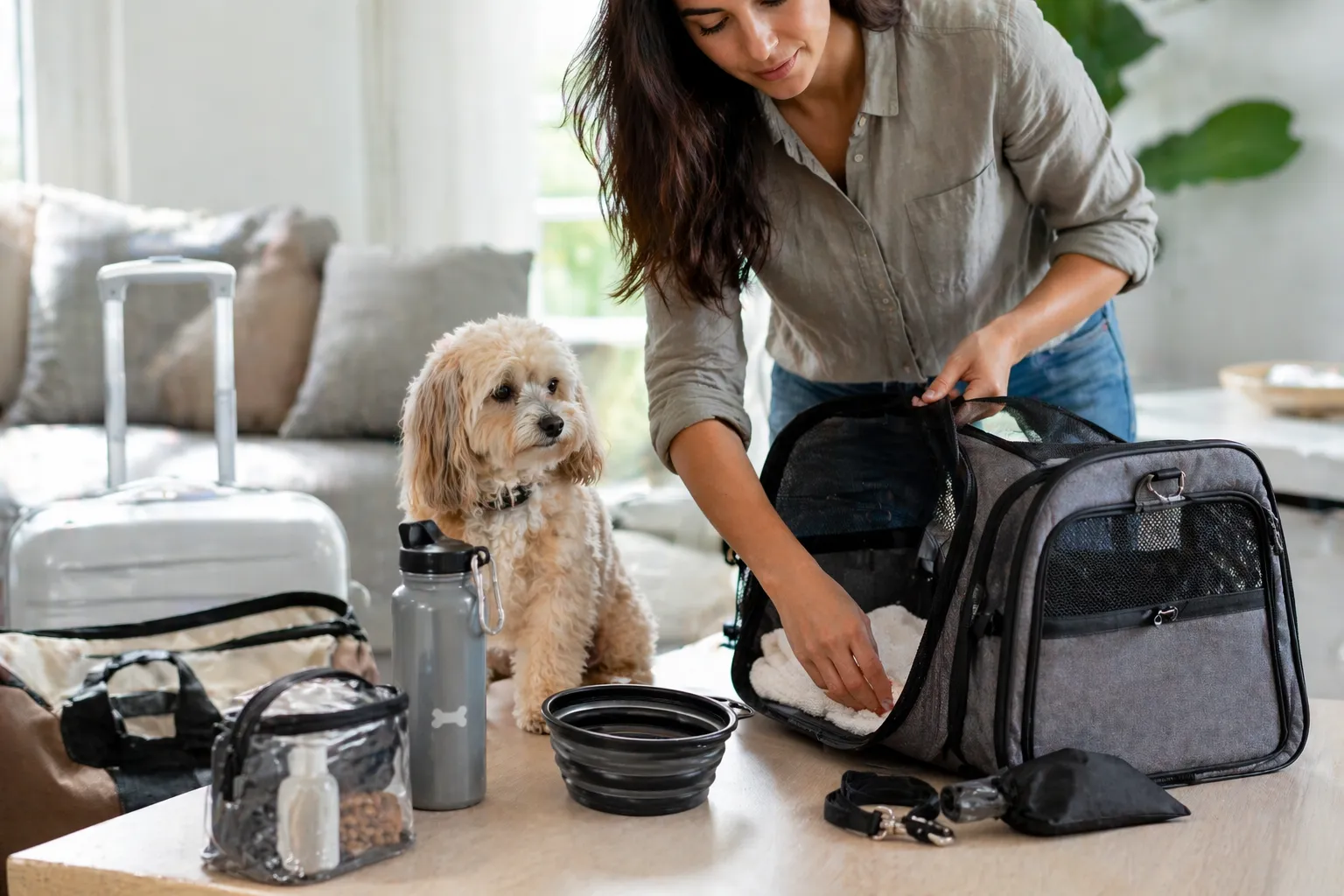
When assembling a travel kit, consider the length of your itinerary, layovers, and whether you'll have ground time for walks. Pack items that are lightweight, compact, and easy to clean, and place them in an organized travel bag so essentials are accessible at security checkpoints and gate areas.
Essential Accessories to Complement Your Airline Approved Carrier
Consider the following essential accessories when traveling with pets:
- Hydration Supplies: Portable water bowls and collapsible containers ensure your pet stays hydrated during travel.
- Food and Treats: Pack enough food and treats to keep your pet satisfied throughout the journey.
- Comfort Items: Familiar blankets or toys can help reduce anxiety and provide comfort for pets in unfamiliar environments.
Additional recommended items:
- Absorbent pee pads or a small waterproof liner to protect carrier interiors during unexpected accidents.
- A spare leash and a harness for secure short walks during layovers.
- A small first-aid kit with basic supplies and any prescription medications your pet needs.
- Copies of vaccination records and any required health certificates stored in a waterproof sleeve.
For longer itineraries, include extra food portions and a schedule for feeding and watering that minimizes the risk of an upset stomach during flight. Maintain regular feeding and bathroom routines before travel to reduce stress-related incidents.
Travel Safety Tips for Pets During Air Travel
Traveling with pets requires planning to maintain safety. Implement the following practices:
- Choosing the Right Carrier: Select a carrier that meets airline requirements and is comfortable for your pet.
- Familiarizing Pets with Carriers: Allow your pet to explore and get used to the carrier before the trip to reduce anxiety.
- Packing Essential Items: Ensure you have all necessary supplies, including food, water, and comfort items, readily available.
Additional safety and preparation steps:
- Visit your veterinarian in advance to confirm your pet is fit to fly and to obtain any required documentation.
- Practice short, increasing-duration sessions in the carrier so the dog associates it with calm behavior and rewards.
- Label the carrier with your contact information, travel itinerary, and the pet's name. For international trips, include additional contact details for your destination.
- At the airport, keep your pet secure during security screening and avoid feeding large meals immediately before boarding to prevent motion sickness.
These measures reduce travel-related risks and keep your pet more comfortable during each phase of the journey.
What Do Dog Travel Gear Reviews Reveal About Carrier Performance and User Satisfaction?
Customer reviews offer practical insight into carrier performance and user satisfaction. Analyzing feedback helps owners select a carrier that aligns with operational needs and expectations.
Summary of Customer Reviews on Rover Ready Carriers
Customer feedback for Rover Ready carriers emphasizes durability, comfort, and adherence to airline standards. Users commonly note the lightweight design and ease of use. Overall satisfaction rates are high, with many customers recommending these carriers for their consistent performance.
Review themes often focus on fit and comfort for specific breeds, how the carrier holds up after repeated use, and the quality of zippers and seams. Prospective buyers should scan reviews for long-term comments about wear points and for real-world photos that show how carriers compress under seats and how pets fit inside.
Comparative Analysis of Competitor Pet Carrier Reviews
Compared with competitors, Rover Ready products are noted for robust construction and considered design features. Lower-priced alternatives may lack comparable durability or comfort. This distinction positions Rover Ready as a preferred option for owners prioritizing long-term quality.
When reviewing competitor feedback, look for consistent patterns rather than isolated complaints. Positive indicators include long-term use reports, clear size confirmations from owners with dogs similar to yours, and constructive notes about customer service and returns. Negative indicators may include consistent zipper failures, sagging bases, or poor ventilation reports.
Where Can You Find Detailed Guides and Support for Airline Approved Dog Carriers?
Comprehensive guides and support are available to assist pet owners preparing to travel. Rover Ready Co. provides resources that explain carrier selection and compliance requirements in detail.
Beyond product pages, helpful resources include buyer guides, size charts, how-to videos demonstrating measuring and packing, and step-by-step checklists for preflight preparation. If you need clarification, contact customer support with your pet's measurements and intended aircraft type to get specific recommendations for a compatible carrier.
Accessing Rover Ready’s Comprehensive Product Guides and Size Charts
Rover Ready Co. publishes product guides and size charts on its website. Use these resources to match carrier dimensions to your pet's measurements and select an appropriate model for your travel needs.
Look for downloadable size charts that include both internal and external dimensions, suggested dog measurements for each size, and recommended accessories. Pay attention to any notes about compression and how much usable internal height remains when a carrier is placed under a seat. These details make it easier to match a specific model to your dog and itinerary.
Frequently Asked Questions
What should I do if my pet doesn't fit the airline-approved carrier size requirements?
If your pet exceeds in-cabin size limits, consider alternative options such as booking the pet as cargo, which requires a carrier compliant with cargo specifications. Consult the airline for specific guidance and evaluate other airlines or travel arrangements that accommodate larger pets. Always prioritize your pet's comfort and safety when planning travel.
As practical alternatives, you can explore direct flight options that reduce connections, travel by car for shorter distances, or consult a pet relocation service that specializes in larger animals. Each option has trade-offs in cost, convenience, and stress for the pet, so compare carefully and plan early.
Are there any specific materials that airline-approved carriers should be made from?
Airline-approved carriers should be constructed from durable, travel-grade materials such as high-quality nylon or polyester. Ensure secure closures and reinforced seams to prevent accidental openings, and choose fabrics that are easy to clean. Verify any airline-specific material requirements prior to purchase.
Inside the carrier, look for soft, breathable liners that wick moisture and are removable for washing. Hard or rigid bases can provide support, while soft exteriors keep the carrier compressible. When selecting materials, balance durability with weight and cleanability.
How can I help my pet adjust to traveling in a carrier?
Introduce the carrier at home and allow your pet to inspect it freely. Place familiar bedding or toys inside and increase the duration gradually while rewarding calm behavior. Practice short trips to acclimate the pet to movement. Gradual exposure reduces anxiety and improves in-carrier tolerance.
Use treats or positive reinforcement when the pet enters the carrier. Leave the carrier open in a calm room with bedding inside, then encourage short naps and play sessions near the carrier. Once the pet is comfortable, take brief outings in a car with the carrier secured, gradually increasing the time to build tolerance for longer journeys.
What are the best practices for packing a pet travel bag?
Pack essential items: sufficient food, water, portable bowls, required medications, and a basic first-aid kit. Include familiar comfort items, waste bags, and a leash for stops. Organize these supplies in a dedicated bag for easy access during travel.
Create a packing checklist organized by departure, in-flight, and arrival needs. Include copies of your veterinarian records, recent photos of your pet in case of emergency, and any calming aids your pet has used successfully. Keep items you may need during security screening near the top of the bag for quick access.
Can I use a hard-sided carrier instead of a soft-sided one for air travel?
Hard-sided carriers can be used, but many airlines prefer soft-sided models because they flex to fit under seats. Hard-sided carriers may not comply with in-cabin size restrictions. If using a hard-sided carrier, confirm dimensions and ventilation meet the airline's policy before travel.
Hard-sided carriers are often preferred for cargo transport because they are rigid and provide sturdy protection, but for in-cabin travel they can be limiting. If you choose a hard-sided model, ensure it has sufficient ventilation openings and that it is approved for the specific travel mode you plan to use.
What should I do if my pet experiences anxiety during travel?
If your pet experiences anxiety, create a familiar environment in the carrier with a blanket or toy. Consider approved calming products such as pheromone sprays or anxiety wraps and consult your veterinarian regarding medication options. Provide regular breaks on long trips to allow stretching and stress relief.
Behavioral techniques such as gradual desensitization to the carrier, short practice trips, and reward-based training can significantly reduce travel anxiety. If you plan to use any calming supplements or medications, consult your veterinarian well in advance to determine suitability and timing.
How Does Rover Ready Implement Structured Data and Multimedia to Enhance User Experience?
Rover Ready Co. applies structured data and multimedia to streamline information access on its website. These elements accelerate content discovery and improve user navigation.
Use of Schema.org Markup for Product and Guide Pages
Implementing Schema.org markup improves search engines' understanding of product and guide pages, enhancing indexing and visibility in search results.
Typical schema types used for product and guide content include Product, Review, FAQPage, and HowTo. Proper markup helps search engines display detailed snippets—such as size specifics or FAQ answers—in search results, which can increase click-through rates and help pet owners find the right carrier more quickly.
Incorporating Visual Aids: Size Charts, Compliance Diagrams, and Explainer Videos
Size charts, compliance diagrams, and explainer videos provide clear visual guidance on carrier requirements and usage. These aids facilitate accurate decision-making by illustrating measurements and procedures step by step.
Visual assets to look for on product pages include annotated diagrams showing where to measure your dog, photos of dogs of varying sizes inside carriers, and short videos demonstrating how the carrier compresses under a seat or how to secure a pet safely for flight. High-quality visual aids reduce uncertainty and improve buyer confidence.
Conclusion
Traveling with pets is manageable when using appropriate airline-approved carriers. These products ensure compliance with airline regulations while prioritizing pet comfort and safety. Selecting the correct carrier and packing essential travel accessories will improve travel outcomes. Review our selection of Rover Ready carriers and travel gear to prepare for your next trip.
Start by measuring your dog, comparing models against airline policies, and practicing short acclimation trips. Pack a well-organized travel kit, confirm documentation, and allow extra time at the airport for pet handling. With preparation and the right equipment, pet travel can be safe, comfortable, and predictable for both owners and their animals.


